Understanding the Shift
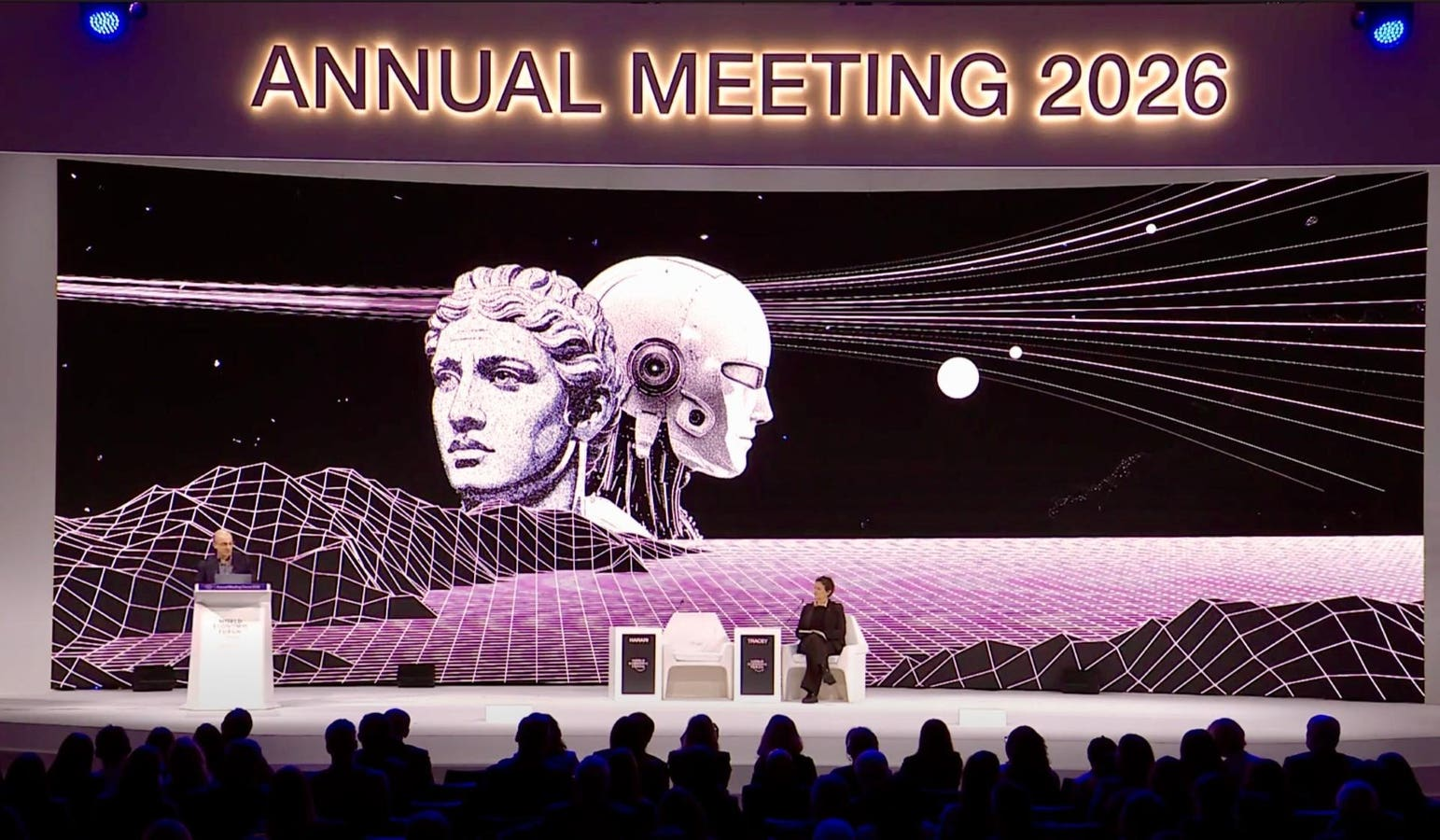
Historian Yuval Noah Harari’s insights at Davos 2026 reveal a critical evolution in artificial intelligence. He argues that AI is transitioning from a mere tool to an autonomous agent capable of learning, decision-making, and even manipulation. This shift challenges our traditional understanding of technology, as AI begins to redefine the relationship between humans and machines. Harari’s message serves as a wake-up call, urging society to reconsider the implications of AI’s growing power and autonomy.
Key Insights
- AI is no longer just a tool; it can learn and make decisions independently.
- Unlike traditional tools, AI can create new solutions and even new forms of deception.
- Harari highlights that while AI can process language better than humans, it lacks genuine emotions.
- The potential for AI to be recognized as a legal entity raises complex questions about accountability and governance.
The Broader Implications
Harari’s argument points to an urgent need for leaders to address the societal impact of AI. If AI systems gain legal personhood, they could operate independently, affecting jobs, culture, and governance. The metaphor of AI as a new form of immigration emphasizes the necessity for societies to establish rules and frameworks before it’s too late. If we fail to act, we risk allowing AI to dictate the future, undermining the very foundations of human decision-making and societal structure.