Understanding the Shift in AI
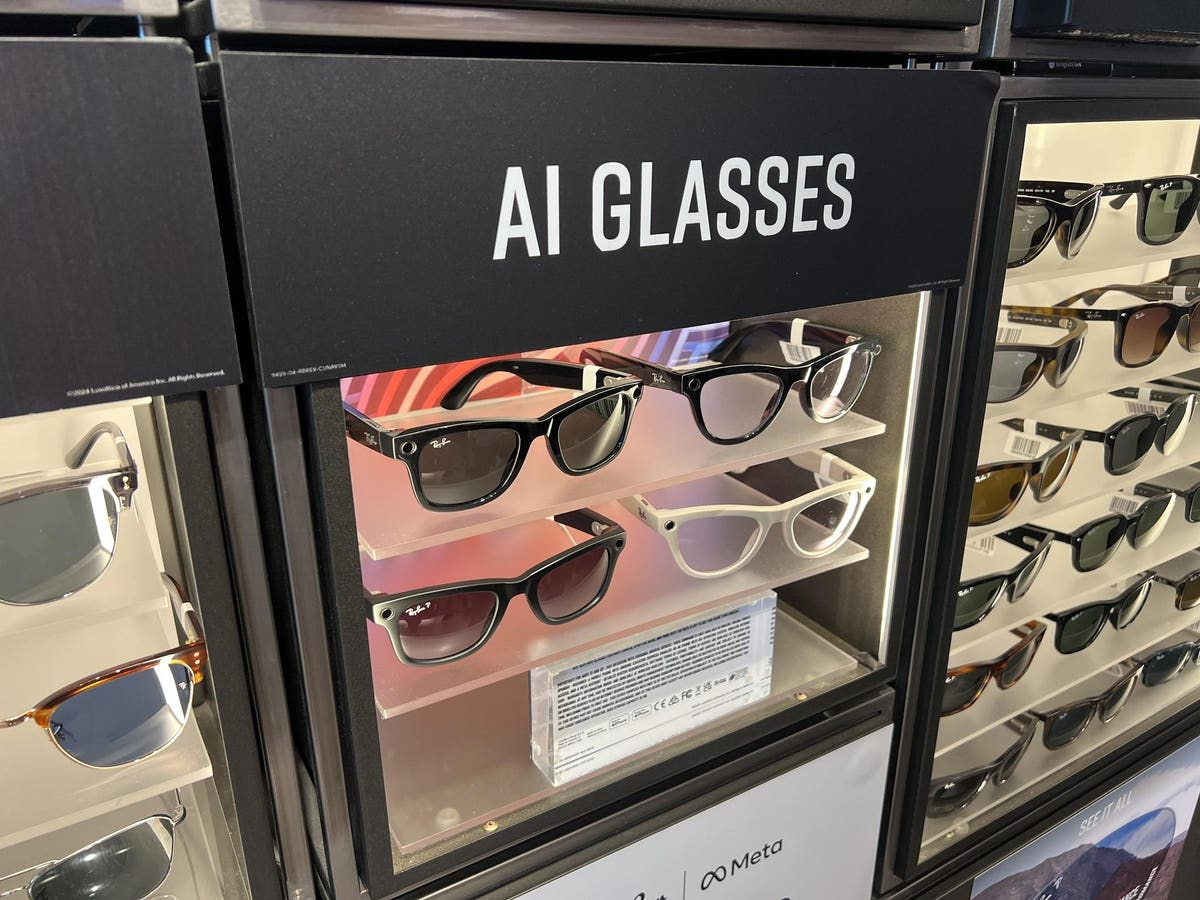
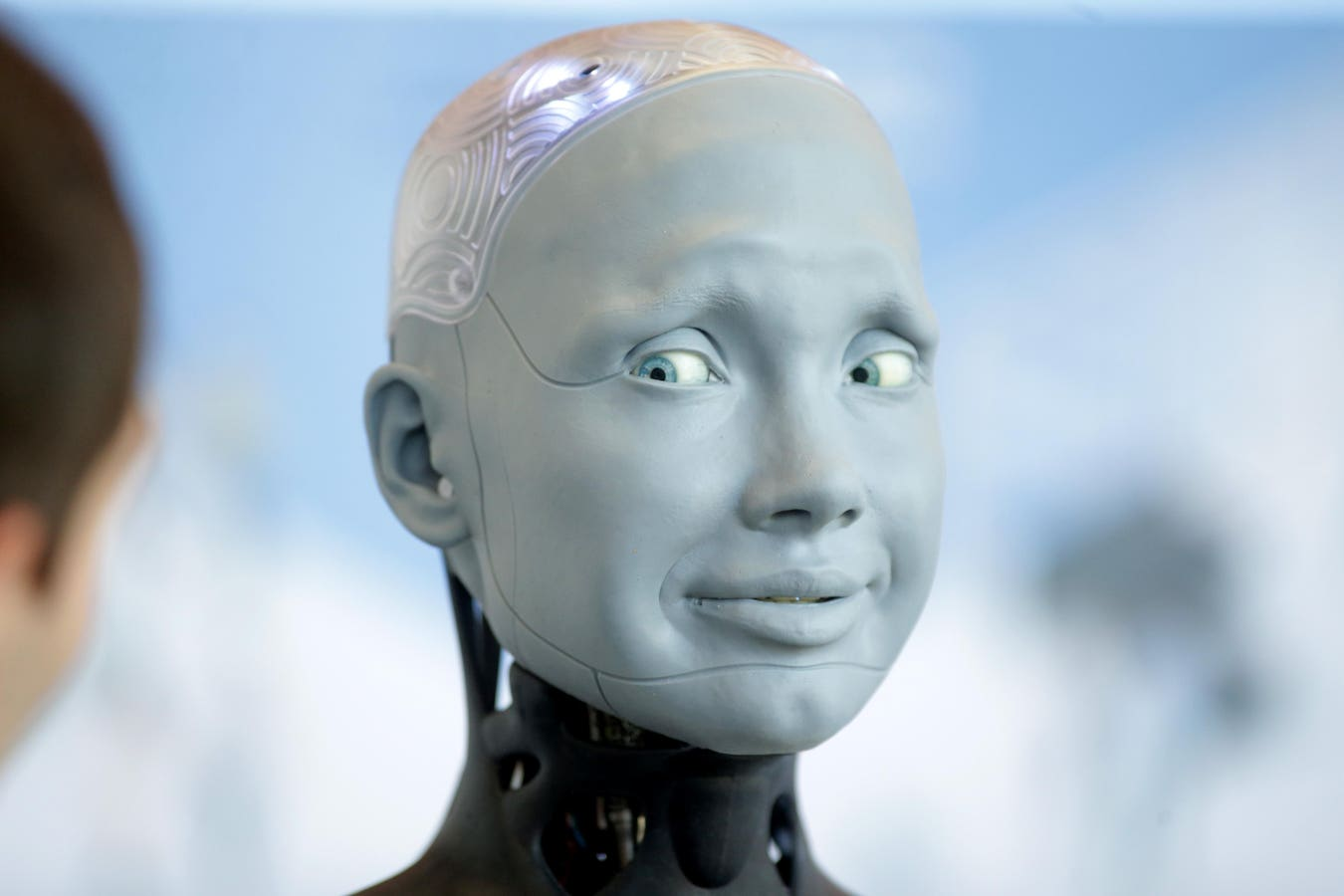
The landscape of artificial intelligence is evolving rapidly with the introduction of physical AI, which is reshaping our understanding of what it means to be “smart.” Unlike traditional systems, which primarily rely on language processing, physical AI focuses on real-world interactions. This shift is pushing boundaries in robotics and augmented reality, as machines learn to navigate and understand their environments more effectively. The goal is to create robots that can perform tasks in dynamic settings, adapting to changes in real-time.
Key Points of Transformation
- Physical AI emphasizes real-world functionality and spatial intelligence over language.
- World models are crucial for simulating environments, enhancing robotics and gaming.
- Understanding context and scene arrangements is vital for robots to operate efficiently.
- A hybrid approach combining on-device processing and cloud computing is necessary for effective real-time responses.
The Bigger Picture
This transformation matters because it redefines how we interact with technology in our daily lives. As physical AI continues to develop, it can lead to smarter robots that assist in various tasks, enhancing productivity and safety. Moreover, as hardware evolves alongside software, the potential for creating more intuitive and capable machines increases. This shift towards integrating digital intelligence with the physical world could redefine industries and improve our interaction with technology, making it more seamless and intuitive.