Understanding the Current Landscape
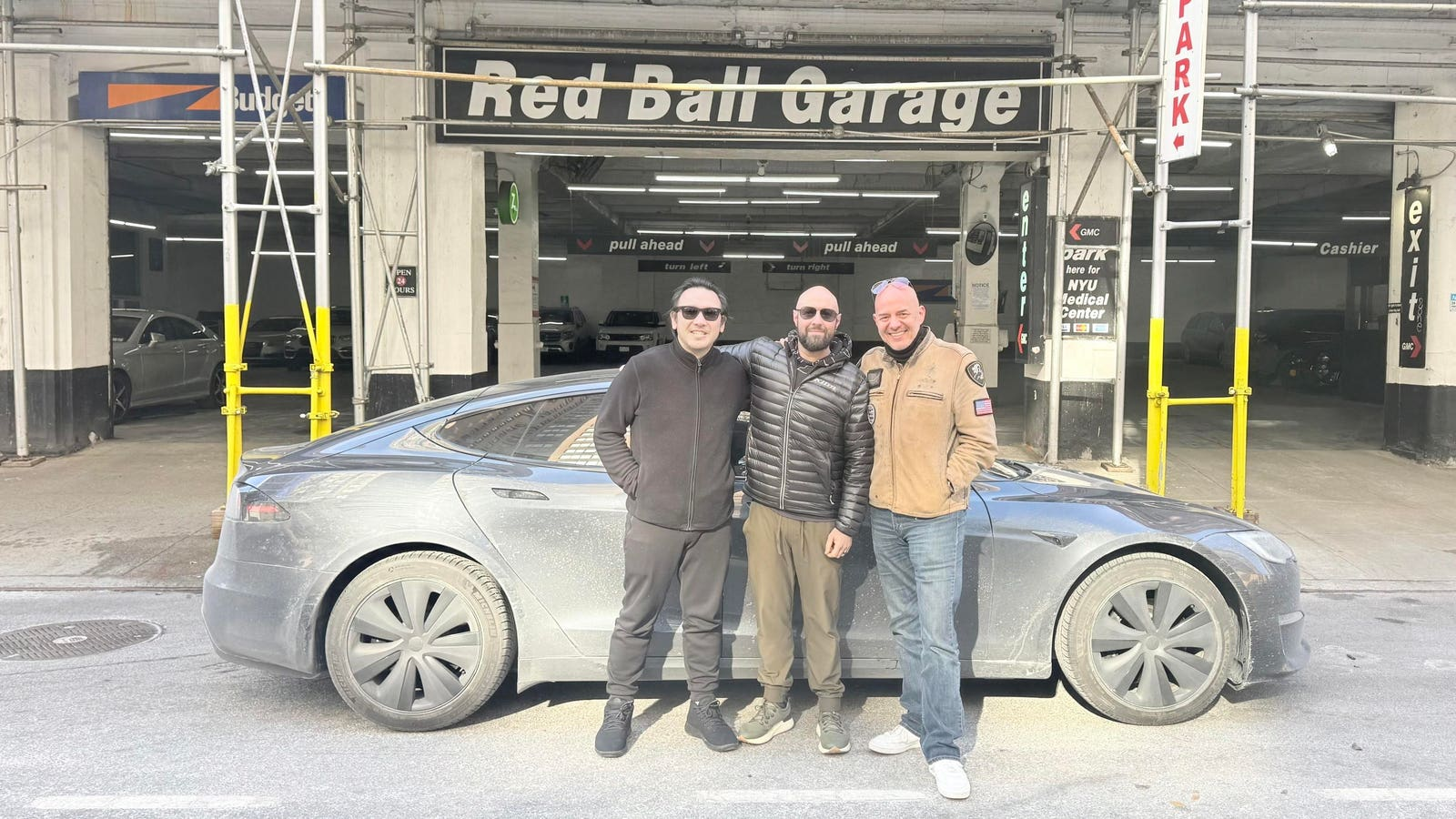
Excitement surrounds Tesla’s advancements in self-driving technology, particularly following the launch of robotaxis in Austin and successful coast-to-coast drives using Tesla’s Full Self-Driving (FSD) system. While many enthusiasts believe Tesla has achieved a breakthrough, a closer look reveals that significant improvements are still needed. Current reports suggest that Tesla’s technology requires a substantial enhancement to reach true autonomy.
Key Details
- Tesla robotaxis are reportedly operating without a safety monitor, but evidence shows chase cars may be supervising them.
- Remote monitoring is common in the industry, and Tesla likely employs this method.
- Recent long-distance drives have been completed with FSD, but statistics show that critical interventions still occur frequently.
- Comparisons with Waymo’s performance indicate Tesla has a long way to go to match their safety metrics.
The Bigger Picture
The perception that Tesla is close to achieving full autonomy may be misleading. While the company has made strides, the data suggests they are far from the level of safety and reliability seen in competitors like Waymo. This disparity raises questions about transparency and data sharing within Tesla. To build trust and confidence, it is crucial for Tesla to provide clear data on their self-driving capabilities rather than relying on impressive anecdotes and marketing claims.