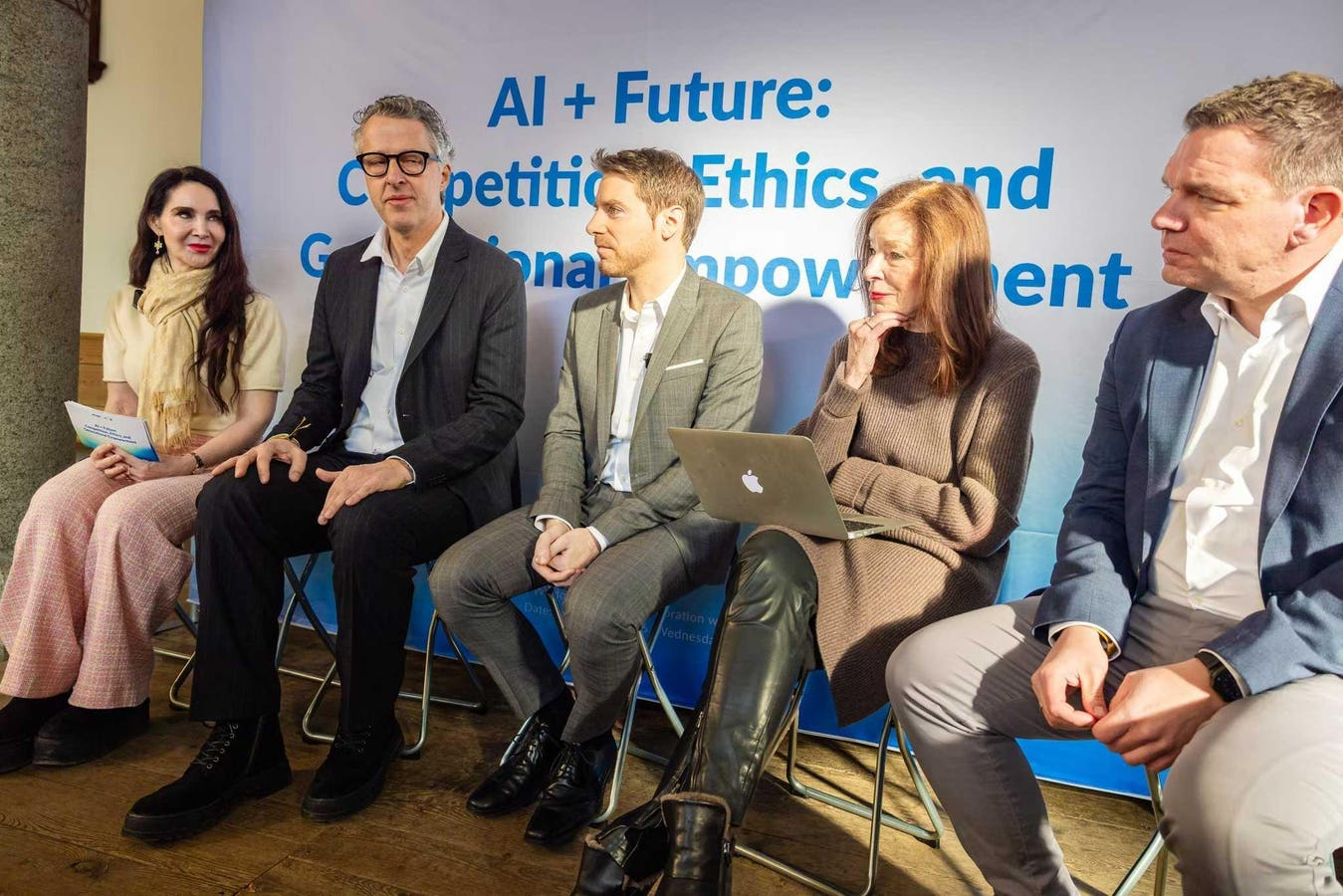
Understanding the Shift in AI Conversations
Recent discussions at the World Economic Forum in Davos have shifted from the capabilities of AI to the critical issues of control, benefits, and user rights. The focus is now on how AI interacts with daily life and who governs it. Trust is becoming a competitive advantage, as companies must prove their accountability and user rights to succeed. The conversation has matured, emphasizing that governance is no longer just an afterthought; it is essential for AI’s future.
Key Takeaways
- Trust is now a requirement for AI systems, affecting market competition.
- The AI landscape is evolving from a focus on speed and performance to one of accountability and governance.
- Open and closed systems present different risks and rewards, impacting market power and competition.
- Ethical considerations are becoming design priorities, emphasizing user consent and permissioning in AI applications.
The Bigger Picture: Trust as a Market Differentiator
The implications of this shift are significant. Trust is transitioning from a marketing tool to a crucial line item in business strategies. Companies that can demonstrate safe and accountable AI systems will gain a competitive edge, while those that do not may face regulatory challenges and market limitations. As the next generation of users demands more control over their data and AI interactions, businesses must adapt to these expectations. The future of AI will not just be about innovation; it will hinge on trust and the ability to manage user rights effectively.