
Understanding the Current Landscape
Recent developments in China’s semiconductor strategy reveal a complex balancing act. After initially halting orders for Nvidia’s H200 chips, Beijing has reversed its decision, allowing major tech firms like Alibaba, Tencent, and ByteDance to prepare orders. This shift highlights China’s ongoing struggle between achieving semiconductor self-sufficiency and the immediate need for advanced technology to remain competitive globally.
Key Details of the Approval and Context
- Chinese regulators have approved discussions for H200 chip orders, although firms must also buy domestic chips.
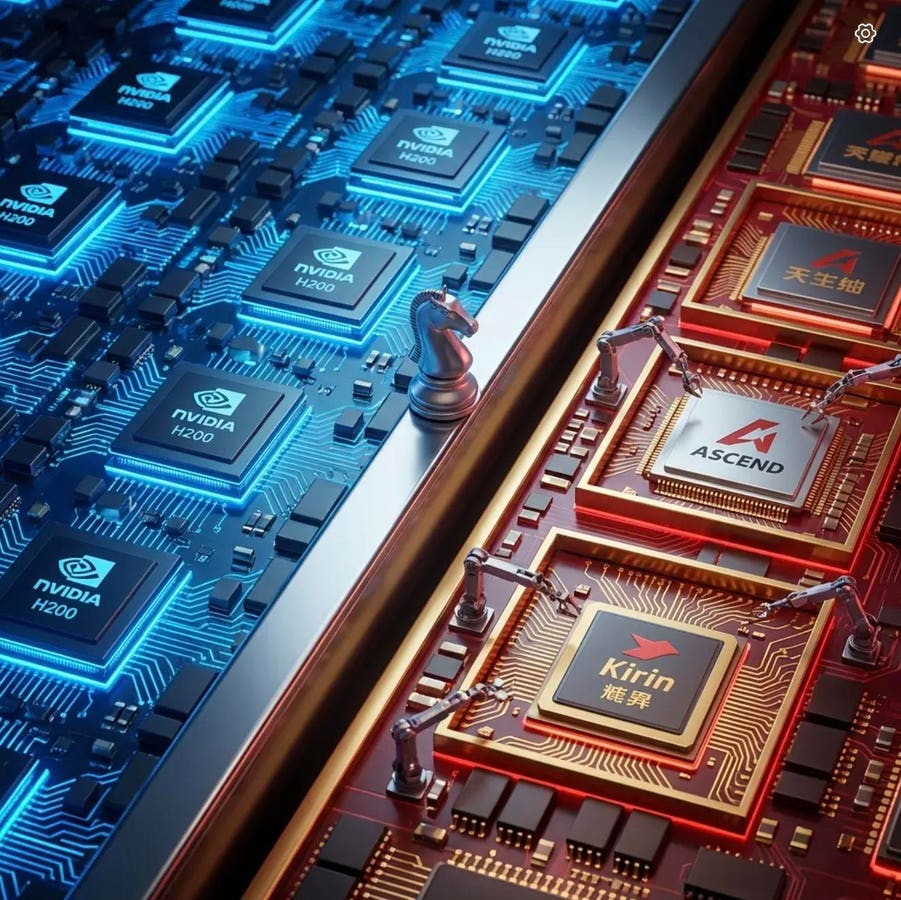
- The H200 is crucial for AI applications, but current Chinese alternatives like Huawei’s Ascend processors fall short in performance.
- Chinese companies plan to order over 2 million H200 chips, even willing to pay tariffs for access.
- The approval follows a negative experience with Nvidia’s H20 chip, which faced criticism for its limitations.
The Bigger Picture of Semiconductor Independence
This approval is significant for Nvidia, which has faced substantial revenue losses in China. The situation illustrates the emergence of a dual-track AI ecosystem: one led by Nvidia with advanced technology, and another in China focusing on building a resilient, independent infrastructure. As both nations invest heavily in their semiconductor capabilities, the outcome hinges on how swiftly Chinese manufacturers can bridge the performance gap. This ongoing race for technological supremacy will shape the future of global AI competitiveness and innovation.





