Understanding the Current Landscape
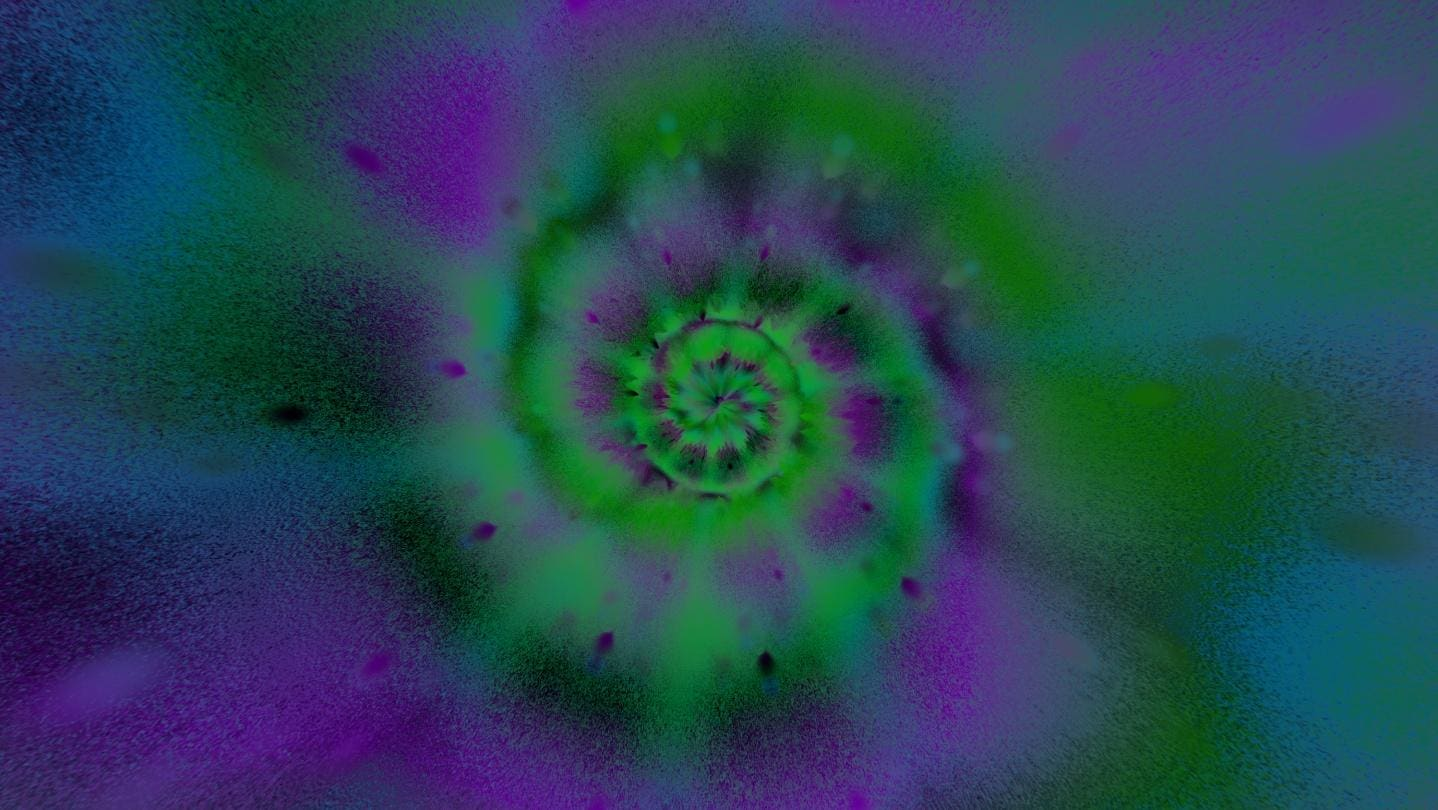
The landscape of virtual reality (VR) is reminiscent of the post-dot-com crash era, where skepticism was high but innovation thrived. As major companies like Meta downsize, independent creators are stepping in to explore new possibilities in immersive content. David Lobser is one such creator, launching his VR experience, Brain Candy. This app uses strobing lights to induce vivid psychedelic patterns, tapping into the growing interest in psychedelic therapy. Unlike expensive strobing devices, Brain Candy is accessible through the Meta Quest headset, making this therapy more available to a wider audience.
Key Highlights
- Brain Candy offers a low-cost alternative to traditional strobing therapy.
- The app is designed for use with the Meta Quest headset, priced around $300.
- Lobser believes that the VR market will shift towards more passionate users as costs rise.
- The recent layoffs at Meta may lead to a surge of new indie projects from experienced developers.
The Bigger Picture
The current climate in the VR industry highlights a critical transition. As funding becomes scarce, creators face challenges but also opportunities to innovate. The potential influx of talent from larger companies could lead to exciting new projects that push the boundaries of VR. Ultimately, the future of VR lies in the hands of independent creators like Lobser, who are committed to exploring unique applications and engaging new audiences. This could lead to a richer, more diverse VR ecosystem that revitalizes interest and usage of VR technology.