
Understanding the Shift
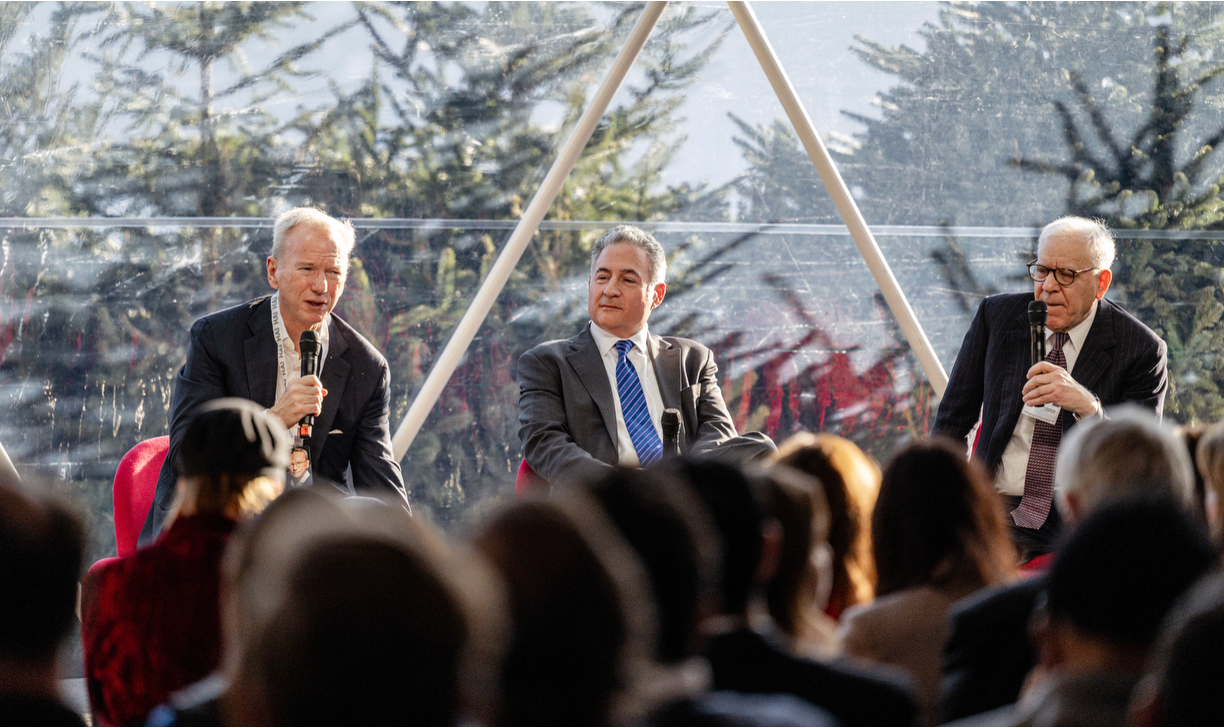
The landscape of our world is rapidly changing, largely due to advancements in artificial intelligence (AI). Experts from various fields, including business, government, and academia, are exploring how these changes will shape our future. Companies like Nvidia are at the forefront of AI hardware development, while institutions like the IMF and U.S. government are discussing the implications of this technology. Discussions at events like Davos highlight the need for leadership in navigating the AI-driven economy.
Key Insights
- Eric Schmidt, former CEO of Google, emphasized that AI’s impact is still in its early stages, comparing it to being in the first inning of a baseball game.
- He noted that building “agentic” AI companies could be a profitable venture, as competition in this area is expected to grow.
- AI currently contributes over 1% to the U.S. GDP, driven by significant investments in data centers.
- Concerns about job displacement were addressed, with experts suggesting that technology often creates more opportunities than it eliminates, especially for skilled professionals.
The Bigger Picture
The integration of AI into our daily lives and workplaces is not just a technological shift; it’s a fundamental change in how we interact with our environment and each other. As AI becomes more prevalent, understanding its implications will be crucial for both individuals and businesses. Preparing the workforce for this transition is essential. Education in AI and related fields will empower people to adapt and thrive in this evolving landscape, ensuring that technology serves to enhance human capabilities rather than replace them.





