Understanding the Current Landscape
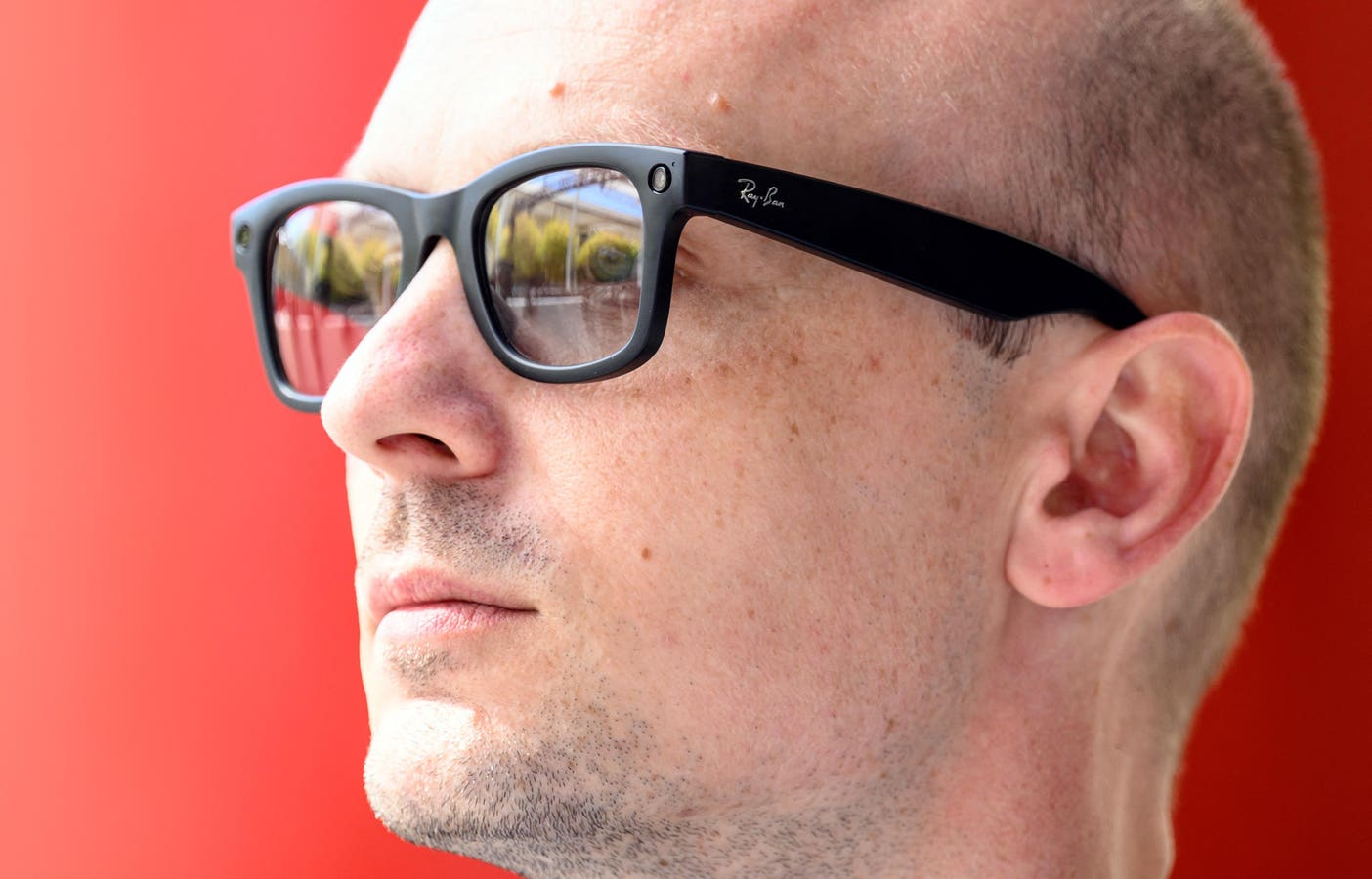
Meta’s recent developments in smartglasses and the rise of dining influencers using them have sparked significant debate. A New York Times article highlighted the backlash against these devices, with many calling for bans in restaurants. This reaction underscores a growing concern about privacy and trust in technology. Simultaneously, the use of large language models (LLMs) has raised questions about the reliability of information, as users often blindly accept AI-generated data without verification. This scenario reveals a deeper issue: a widespread lack of trust in technology and institutions.
Key Insights
- The term “authority drift” describes how users may accept AI outputs as truth due to their confident presentation.
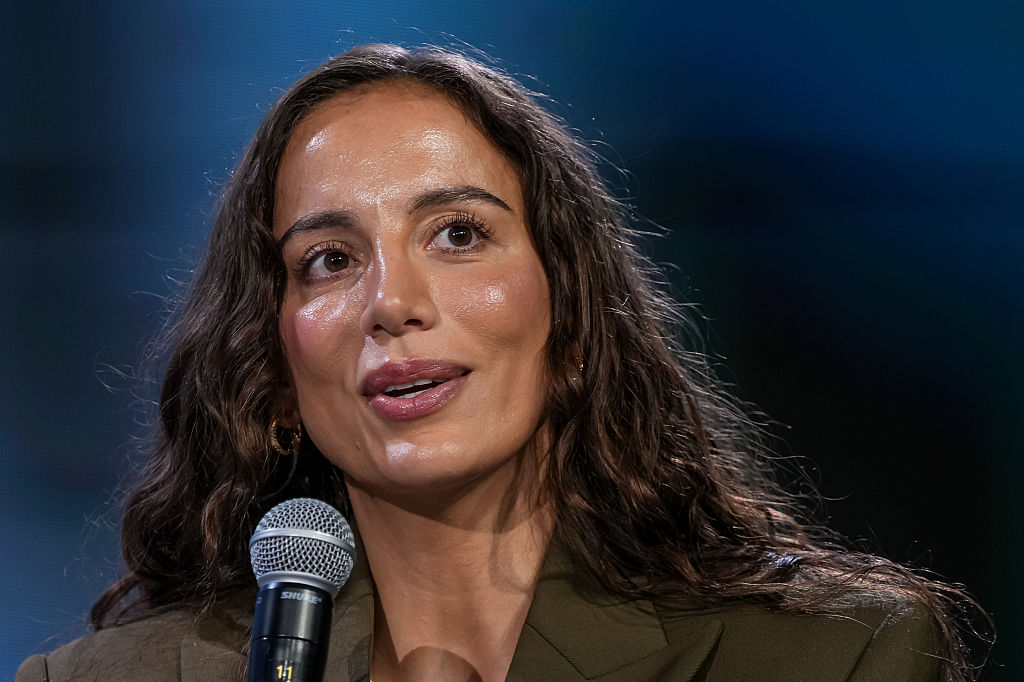
- Anat Baron, a tech expert, emphasizes that the real danger lies in relinquishing personal judgment to AI.
- Trust can be rebuilt by acknowledging AI’s fallibility and ensuring human oversight in decision-making processes.
- Transparency in the use of smartglasses, such as clearer recording indicators and seeking permission, can help foster trust.
The Bigger Picture
As smartglasses and AI become integral to daily life, the need for trust is paramount. Without it, the adoption of these technologies could falter. Establishing clear human roles in technology use and promoting transparency can lead to a healthier relationship between users and devices. This approach not only enhances user experience but also encourages responsible innovation, making sure that advancements benefit society as a whole.