
Understanding the Shift
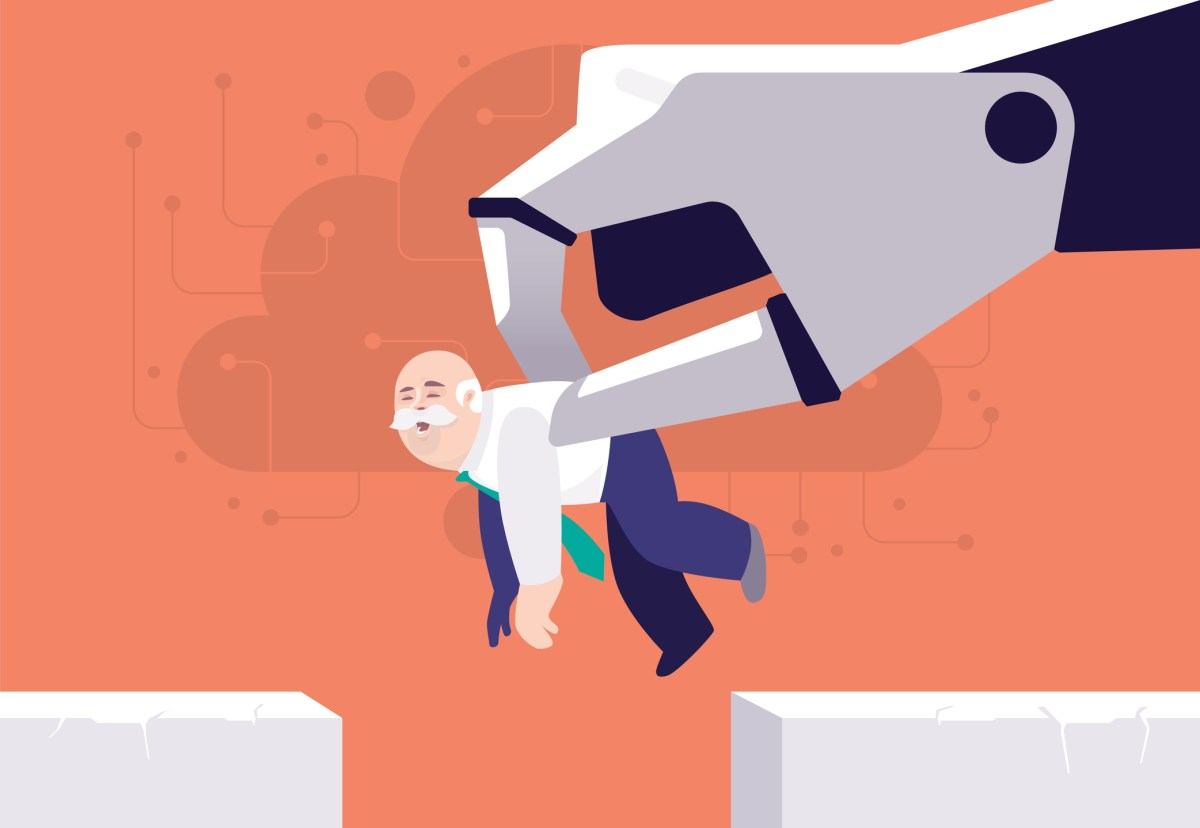
A recent trend in the tech industry highlights a significant transformation in software development and usage. Many companies are now opting to build their own software solutions using AI tools like Claude Code, rather than purchasing traditional SaaS products. This shift is changing the dynamics of the software market, raising questions about the sustainability of the SaaS business model. Investors are increasingly concerned about the implications of AI on existing software companies, particularly as AI tools can effectively replace entire teams, leading to a potential decline in SaaS revenue models.
Key Insights
- The rise of AI tools enables companies to create their own software, reducing reliance on established SaaS vendors.
- The traditional per-seat pricing model used by SaaS companies is under threat as AI can perform tasks previously done by multiple employees.
- As businesses explore building their own solutions, existing SaaS contracts face downward pressure during renewals.
- The rapid development of AI-native startups is challenging the long-held belief that SaaS products are indispensable for companies.
The Bigger Picture
This shift poses both challenges and opportunities for the software industry. While established SaaS companies may struggle to adapt, new AI-native startups are emerging quickly, redefining what it means to be a software provider. Investors are cautious as they navigate this changing landscape, with fears that the traditional SaaS model may not survive in its current form. The future may see a blend of old and new business models, with an emphasis on software that meets specific enterprise needs and compliance requirements. Understanding these changes is crucial for stakeholders in the tech ecosystem.


