A Rapid Shift in AI Adoption
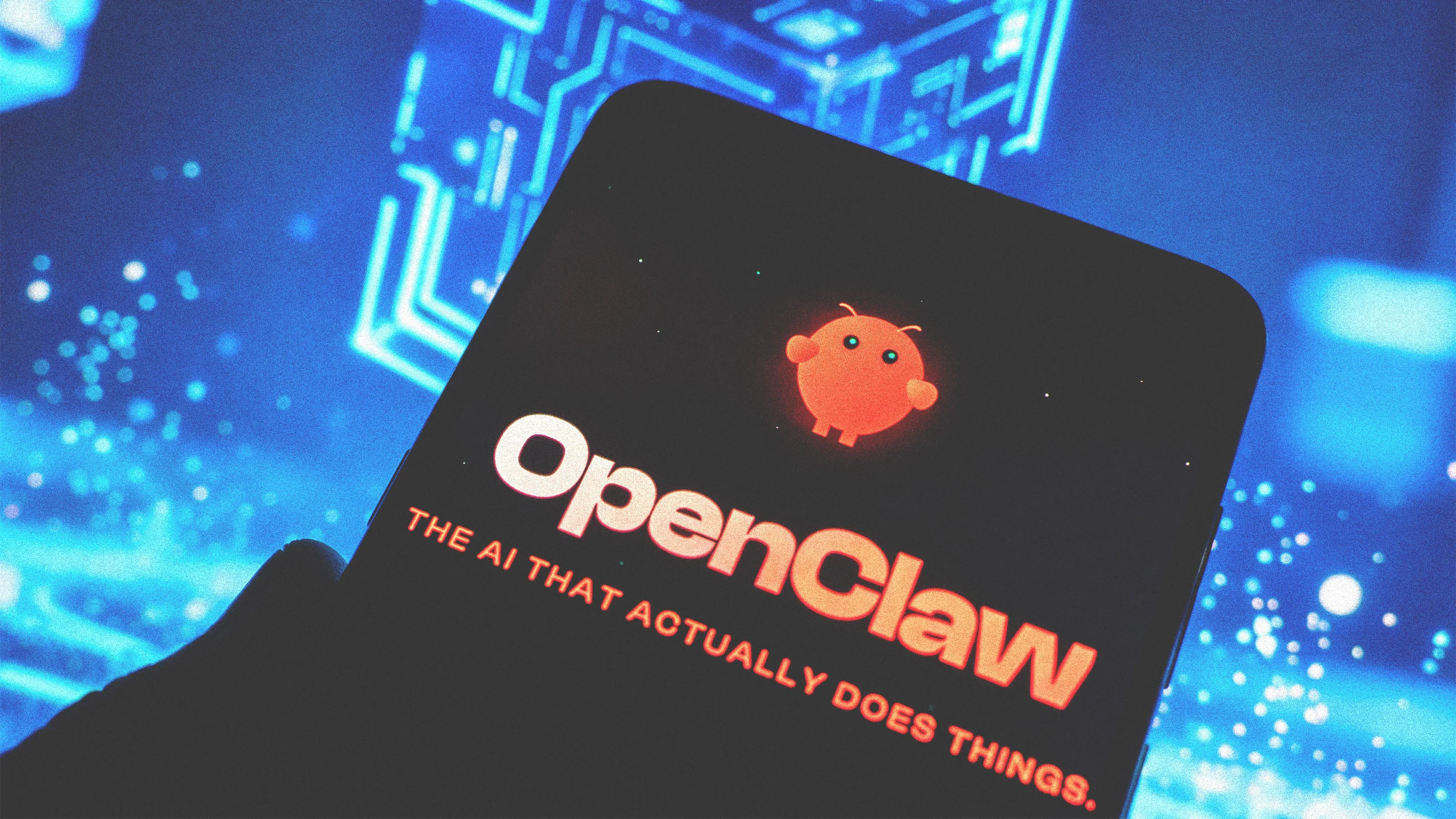
Recent events in China showcase a unique situation where senior citizens eagerly lined up to install OpenClaw, an AI assistant, on their devices. Cities like Shenzhen and Wuxi offered subsidies to increase adoption, reflecting the country’s fast-paced technology integration. However, this enthusiasm has quickly turned to caution. The government has issued warnings about the potential risks associated with OpenClaw, leading to a notable shift in public sentiment and policy.
Key Details
- A massive turnout for OpenClaw installations was seen in Shenzhen, indicating strong initial interest.
- The Chinese government is now advising against the use of OpenClaw on government systems due to security concerns.
- The private sector has reacted by offering uninstallation services for those who wish to remove OpenClaw from their devices.
- Experts highlight that the rapid adoption of AI makes it vulnerable to cyber threats, prompting the government to take action.
Understanding the Bigger Picture
This situation illustrates the complexities of AI adoption in China. While local governments promote technology to drive innovation, the central government is wary of the security implications. This dual approach raises questions about the future of AI in China, as the country grapples with balancing technological advancement and safety. The mixed signals from regulators could hinder the confidence of businesses and citizens in adopting new technologies.