Overview of the Transition
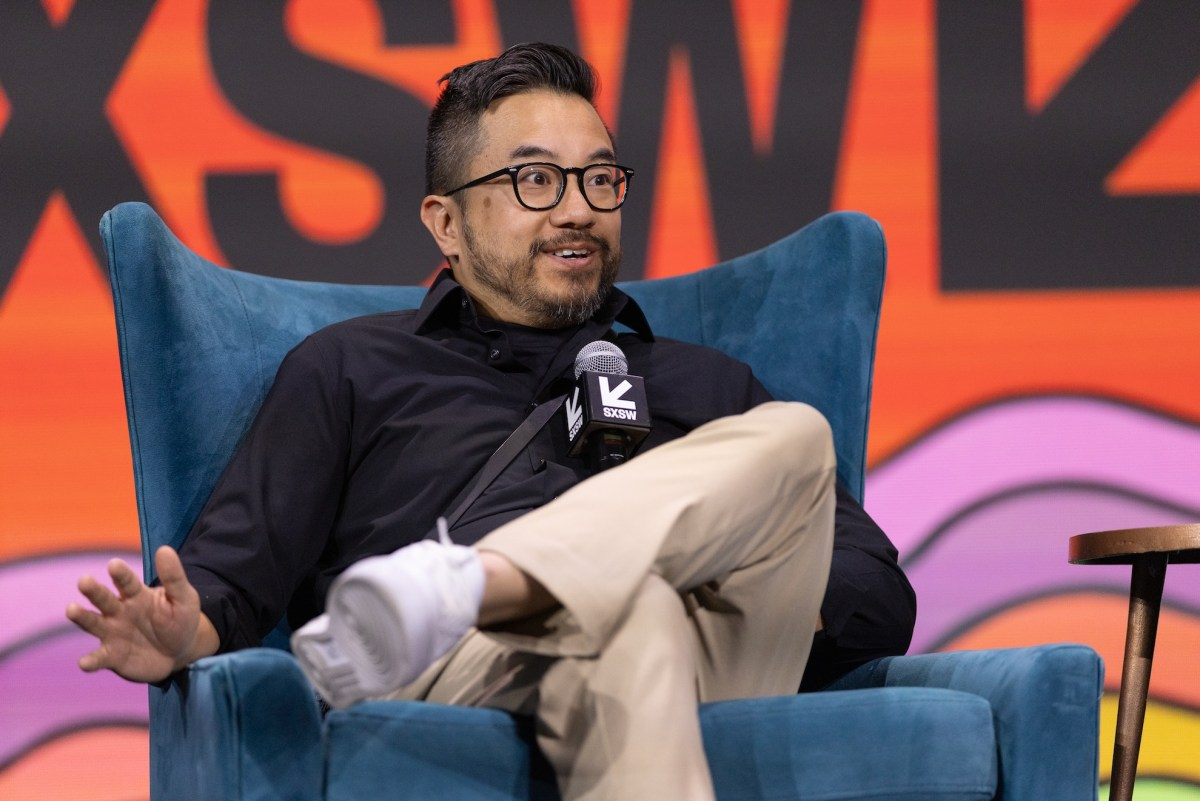
David Sacks has concluded his role as Donald Trump’s AI and crypto czar after 130 days. He is now set to co-chair the President’s Council of Advisors on Science and Technology (PCAST) alongside Michael Kratsios. This transition marks a shift from having direct influence on policy to a more advisory role. While Sacks will still engage in technology discussions, he will no longer be at the forefront of decision-making in Washington.
Key Details
- Sacks will focus on a broader range of technology topics, including AI, semiconductors, quantum computing, and nuclear power.
- The new PCAST includes high-profile tech leaders like Mark Zuckerberg and Larry Ellison, emphasizing its significance.
- The council aims to streamline AI regulations across states, addressing the current chaotic landscape of differing state rules.
- Sacks recently sparked controversy with comments on U.S. involvement in the Iran conflict, which may have influenced his transition.
Significance of the Change
This transition is important as it reflects the evolving role of tech advisors in government. Sacks’ new position may allow for more comprehensive discussions on technology but less direct influence on policy. The high-caliber members of PCAST suggest a potential for impactful recommendations, but its historical effectiveness varies. Understanding this shift helps in grasping the dynamics of tech influence in government and the challenges of navigating complex regulatory environments.