
Exploring New Frontiers in AI Development
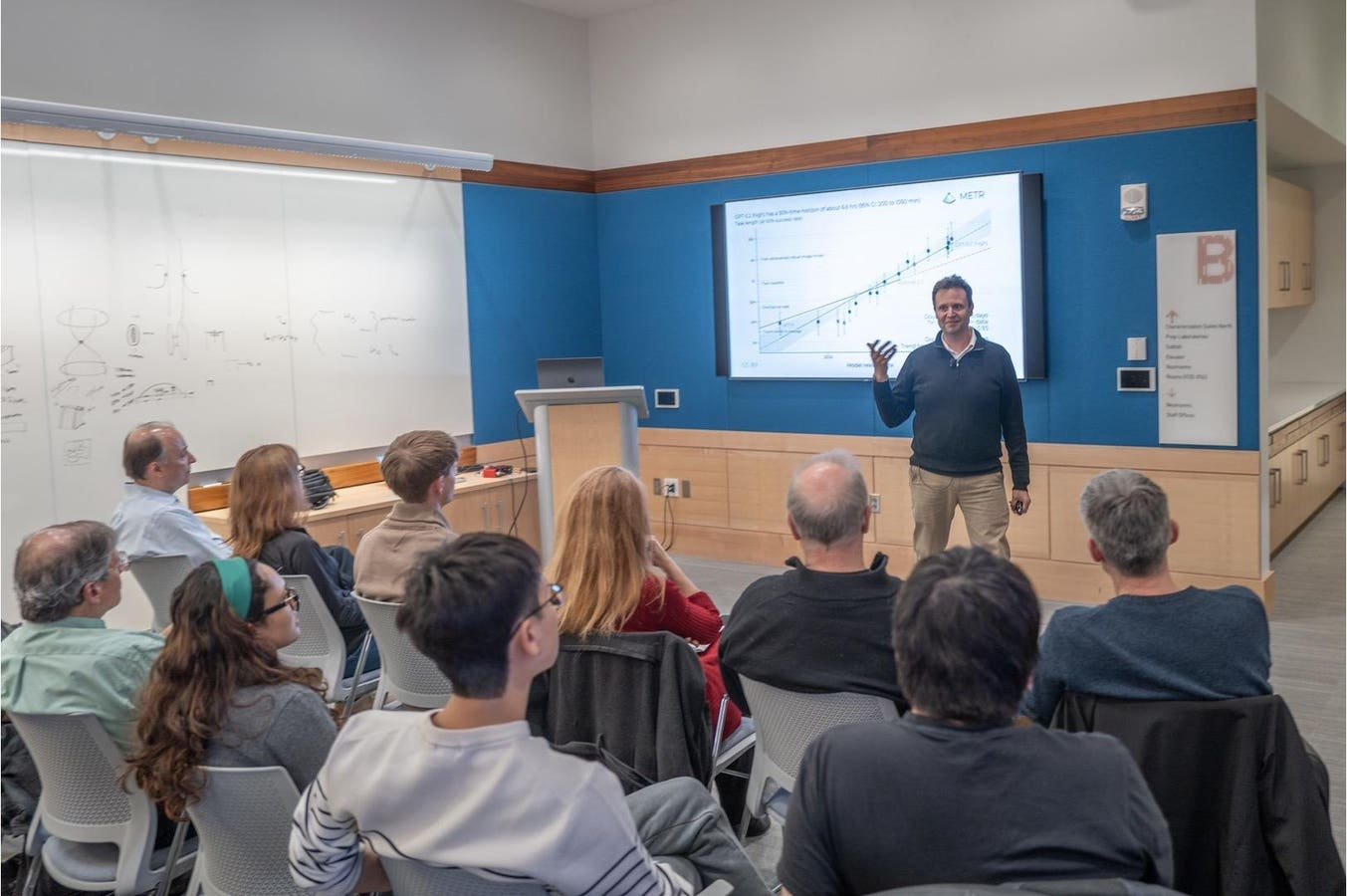
Markus Buehler, a prominent MIT professor, is at the forefront of transforming artificial intelligence. His recent presentation delves into the evolution of AI from simple recall systems to complex, collaborative agents that can engage creatively with the world. Buehler emphasizes that these advanced models will not merely replicate human thought but will venture into realms of creativity and discovery. This shift is critical as it signifies a departure from traditional neural networks, moving towards systems that can generate new ideas and solutions.
Key Insights from Buehler’s Presentation
- Buehler distinguishes between three types of AI processes: playback, generation, and discovery.
- He argues that future AI will function as collaborative swarms, similar to human interactions, which enhances problem-solving capabilities.
- Creativity is defined as a system’s ability to evolve through new experiences, not just a product of pre-set programming.
- The metaphor of a pond versus a river illustrates the difference between seeking known truths and creating new realities.
Implications for the Future of AI and Humanity
Buehler’s insights raise profound questions about the nature of creativity and consciousness. If machines can truly create, it challenges the uniqueness of human creativity. Understanding how to interact with these advanced AI systems will be crucial as they become more integrated into our lives. The future of AI could redefine our understanding of intelligence and creativity, blurring the lines between human and machine capabilities.





