
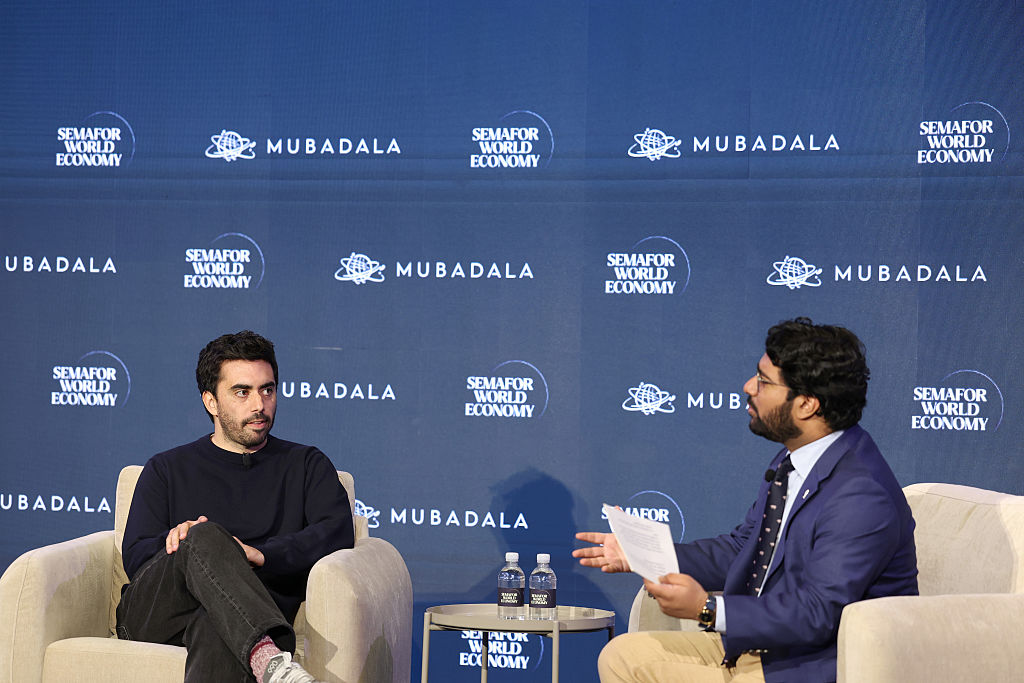
Overview of the Future of Film
Cristóbal Valenzuela, CEO of Runway, suggests a bold shift in Hollywood’s approach to filmmaking. Instead of spending $100 million on one movie, he proposes distributing that budget across 50 films. This strategy aims to increase the quantity of content produced, enhancing the chances of creating a hit. Valenzuela believes that AI can streamline production, making it feasible to generate high-quality films at lower costs. He acknowledges the skepticism surrounding AI in creative fields but argues that understanding of its capabilities is growing.
Key Points to Consider
- Valenzuela’s plan emphasizes quantity over traditional artistic investment, proposing that more films mean more opportunities for success.
- The upcoming AI-generated film “Bitcoin: Killing Satoshi” exemplifies this shift, with production costs cut significantly from $300 million to $70 million.
- Major studios like Amazon and Sony Pictures are adopting AI to reduce production expenses across various stages, from scripting to visual effects.
- Critics argue that simply increasing content does not guarantee quality, raising concerns about the potential dilution of artistic merit in the industry.
Significance of AI in Film Production
The integration of AI in filmmaking could reshape the industry by democratizing content creation. Valenzuela argues that a flood of new stories could emerge, allowing diverse voices to be heard. While some fear that this approach may compromise the essence of art, others see it as a way to invigorate creativity. The conversation around AI in Hollywood is evolving, and its impact on storytelling and production costs could lead to a new era in cinema. As technology continues to advance, the potential for innovation in film remains vast.





