What’s the Breakthrough?
Physical Intelligence, a robotics startup based in San Francisco, has made significant strides in AI with its new model, π0.7. This model can direct robots to perform tasks without prior specific training, a capability that even surprised its creators. The aim is to develop a general-purpose robot brain that can adapt to unfamiliar tasks through simple verbal instructions. This innovation marks a potential turning point in robotic capabilities, similar to advancements seen in large language models.
Key Details:
- π0.7 demonstrates compositional generalization, allowing robots to combine learned skills and tackle new problems.
- A remarkable test involved an air fryer, where the robot successfully cooked a sweet potato after receiving step-by-step guidance, despite minimal training data on the appliance.
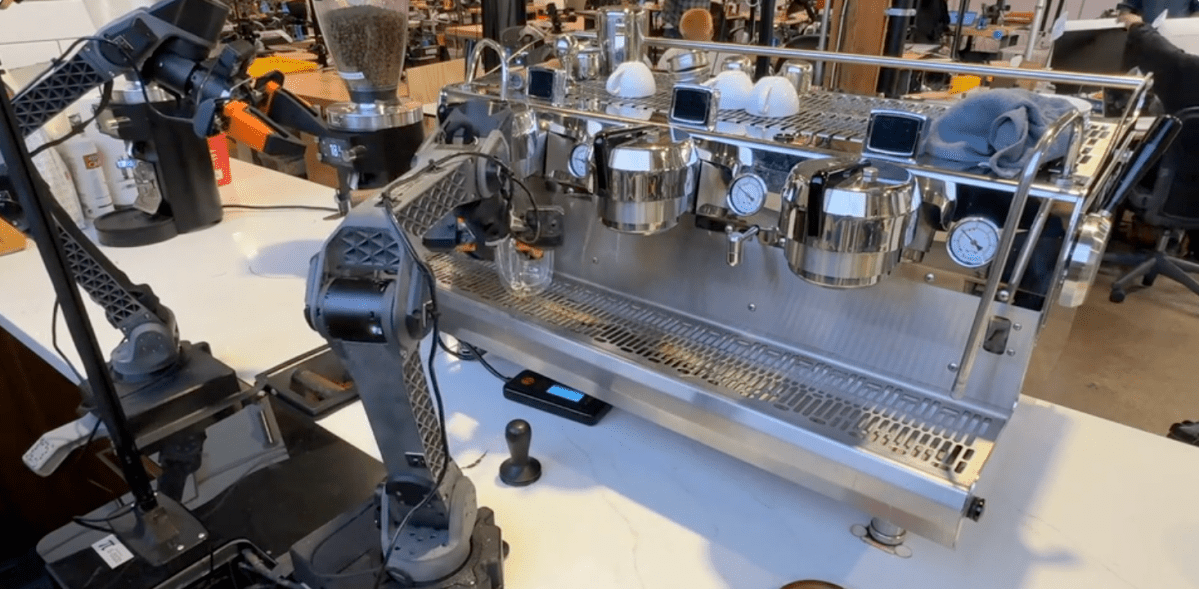
- The model shows promise in various tasks, matching the performance of specialized models in activities like making coffee and folding laundry.
- Researchers acknowledge the model’s limitations, particularly in executing complex tasks without detailed prompts.
Why It Matters:
This research could change how robots are trained and deployed, allowing them to learn in real-time without needing extensive data collection. If successful, it could lead to robots being used in diverse environments, enhancing their utility in everyday tasks. The unexpected results have sparked excitement among researchers and investors alike, with Physical Intelligence attracting over $1 billion in funding and a soaring valuation. As the field progresses, the implications for the future of robotics and AI integration into daily life could be profound.