Understanding the Context
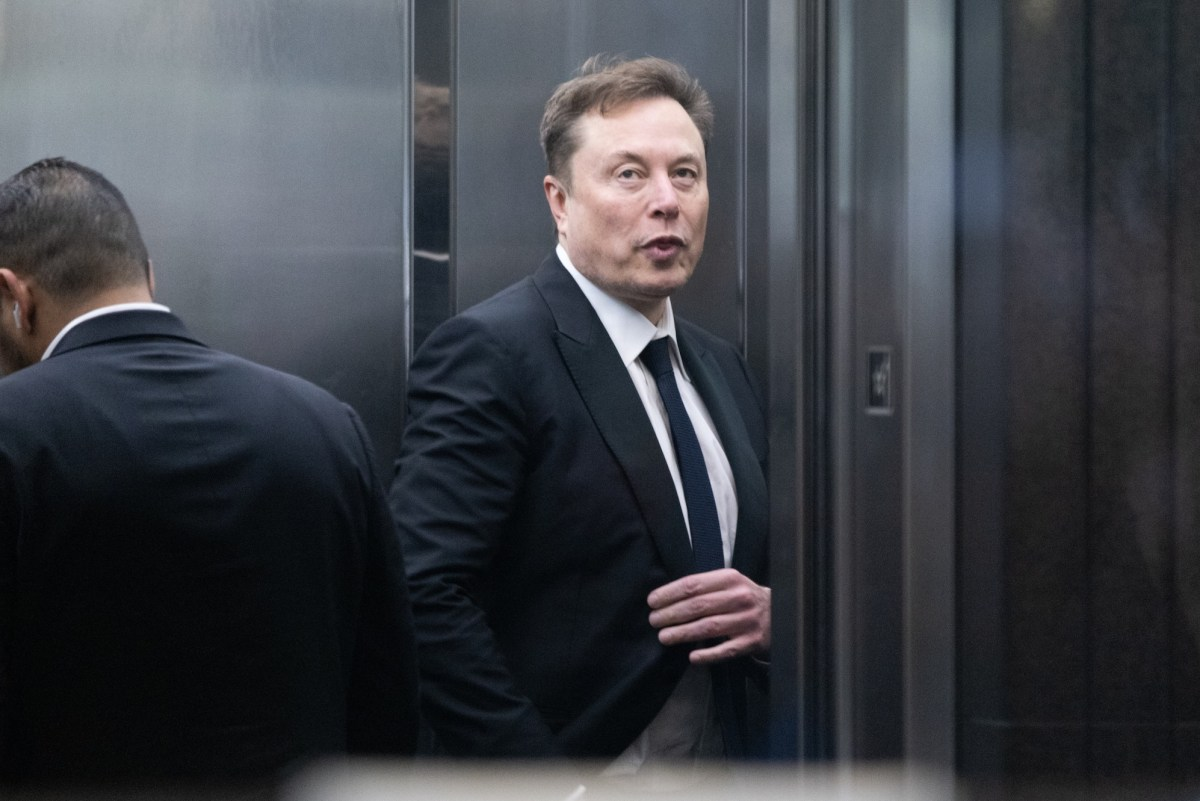
Recent developments in the AI industry have spotlighted the practice of “distillation,” where companies use existing AI models to train new ones. This tactic is gaining attention as it allows firms, especially those in China, to create competitive AI models at a lower cost. Elon Musk, during a trial against OpenAI, confirmed that his company, xAI, has engaged in this practice, revealing a common trend among AI firms to leverage each other’s models.
Key Insights
- Musk acknowledged that distillation is a widespread method among AI companies.
- His lawsuit against OpenAI claims they deviated from their original nonprofit mission by becoming a for-profit entity.
- Distillation poses a risk to established AI companies by enabling others to develop models that rival their own without significant investment.
- OpenAI, Anthropic, and Google are collaborating to combat distillation efforts, particularly from Chinese firms, by restricting mass queries of their models.
Implications for the Future
The admission by Musk highlights a growing concern about the sustainability of competitive advantages in AI. As companies like xAI seek to learn from leaders like OpenAI, the traditional barriers to entry in AI development are weakening. This shift could lead to a more crowded and competitive landscape, where innovation is driven by both established players and newcomers. The ongoing legal battles and industry collaborations will shape how AI companies navigate these challenges moving forward.