Understanding Physical AI
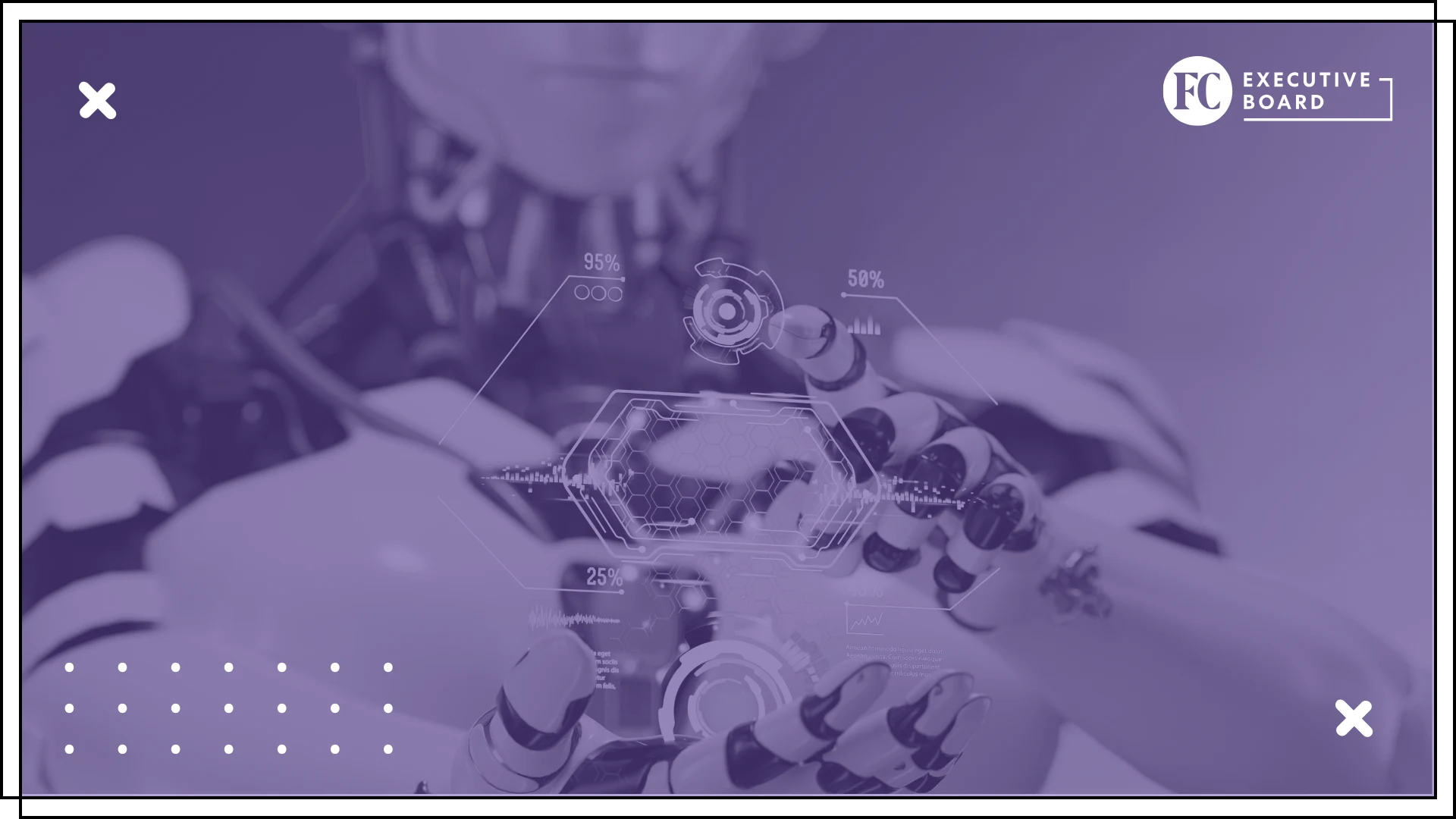
Generative AI has transformed technology interaction over the last two years. While it excels in digital tasks, its potential in the physical realm remains largely untapped. Physical AI represents a shift from digital-only systems to intelligent machines that can perceive, reason, and act in the real world. This evolution will allow AI to function in unpredictable environments, moving beyond rigid automation to adaptive intelligence.
Key Points of Physical AI
- Perception: Machines must use technologies like cameras and LiDAR to understand their surroundings.
- Physical-world reasoning: AI systems will simulate outcomes and predict actions based on real-world dynamics, rather than just relying on data patterns.
- Action: With perception and reasoning, machines can operate autonomously, adjusting to changes in their environment in real time.
- Human Role: As machines gain capabilities, human operators will shift from direct execution to strategic oversight and coordination.
Significance of the Shift
The rise of physical AI could redefine how work is done. By enabling machines to interact directly with their environment, organizations can enhance decision-making and operational efficiency. This integration of digital intelligence into physical tasks will allow human workers to focus on strategic roles, ultimately leading to improved productivity and safety. As companies adapt to these changes, those that successfully merge AI with physical operations will likely set new standards in their industries.