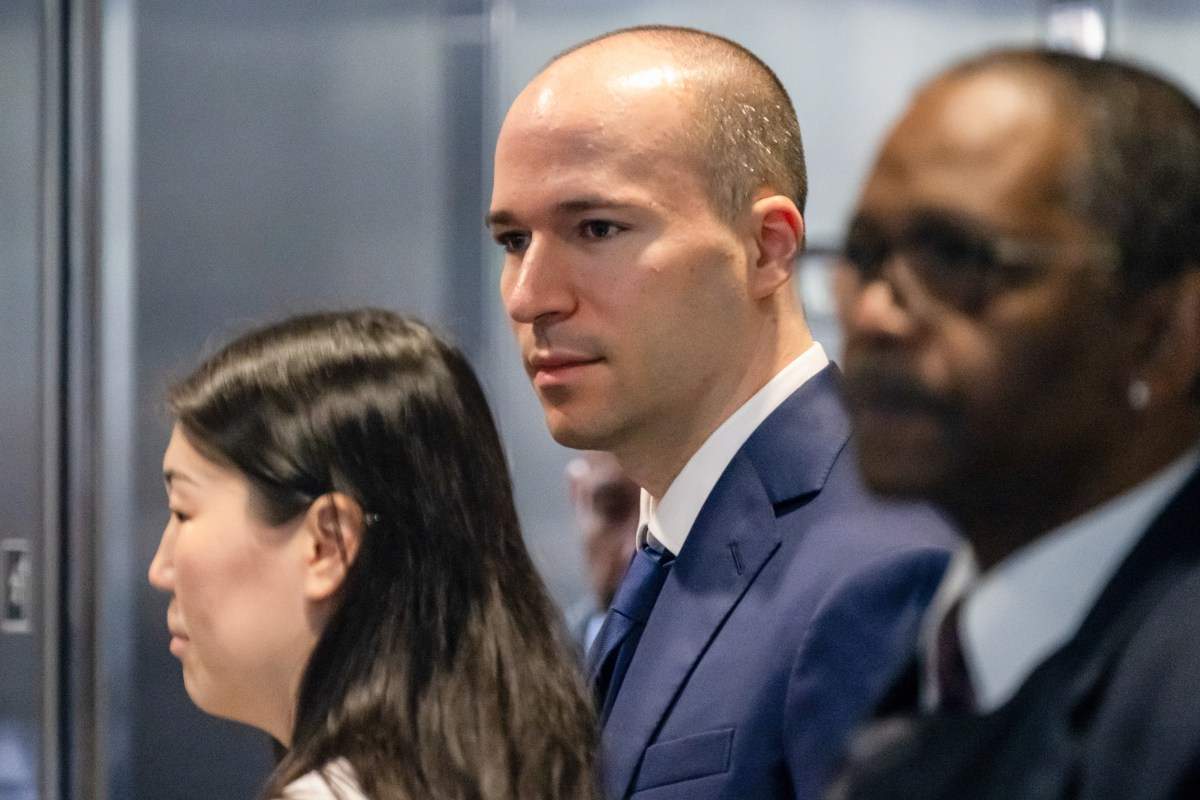
A critical moment in OpenAI’s history reveals intense conflicts among its founders, particularly between Elon Musk and his co-founders. This clash over control and direction has led to Musk’s lawsuit against them, highlighting the challenges of balancing innovation with governance in a rapidly evolving tech landscape.
What Happened at OpenAI?
– In 2017, OpenAI’s co-founders, including Musk, had serious disagreements about the company’s future.
– Musk demanded full control of OpenAI when plans emerged to create a for-profit subsidiary to secure funding.
– When his demands were rejected, Musk became angry and eventually left the board in 2018, believing OpenAI was doomed to fail.
Key Details of the Dispute
- Tensions escalated during a pivotal meeting where Musk expressed frustration over control issues.
- Brockman and Sutskever feared Musk’s control could hinder OpenAI’s mission.
- Musk’s departure led to significant funding successes for OpenAI, including a $1 billion investment from Microsoft in 2019.
- The ongoing trial examines whether Musk’s claims of being misled by his co-founders hold merit.
Implications for the Future
The outcome of this legal battle could shape the governance of tech startups and the relationship between founders and investors. As AI continues to transform industries, ensuring that innovation does not compromise ethical standards or mission integrity is crucial. This case serves as a reminder of the personal and professional stakes involved in the high-stakes world of technology development.