Understanding the Breakthrough
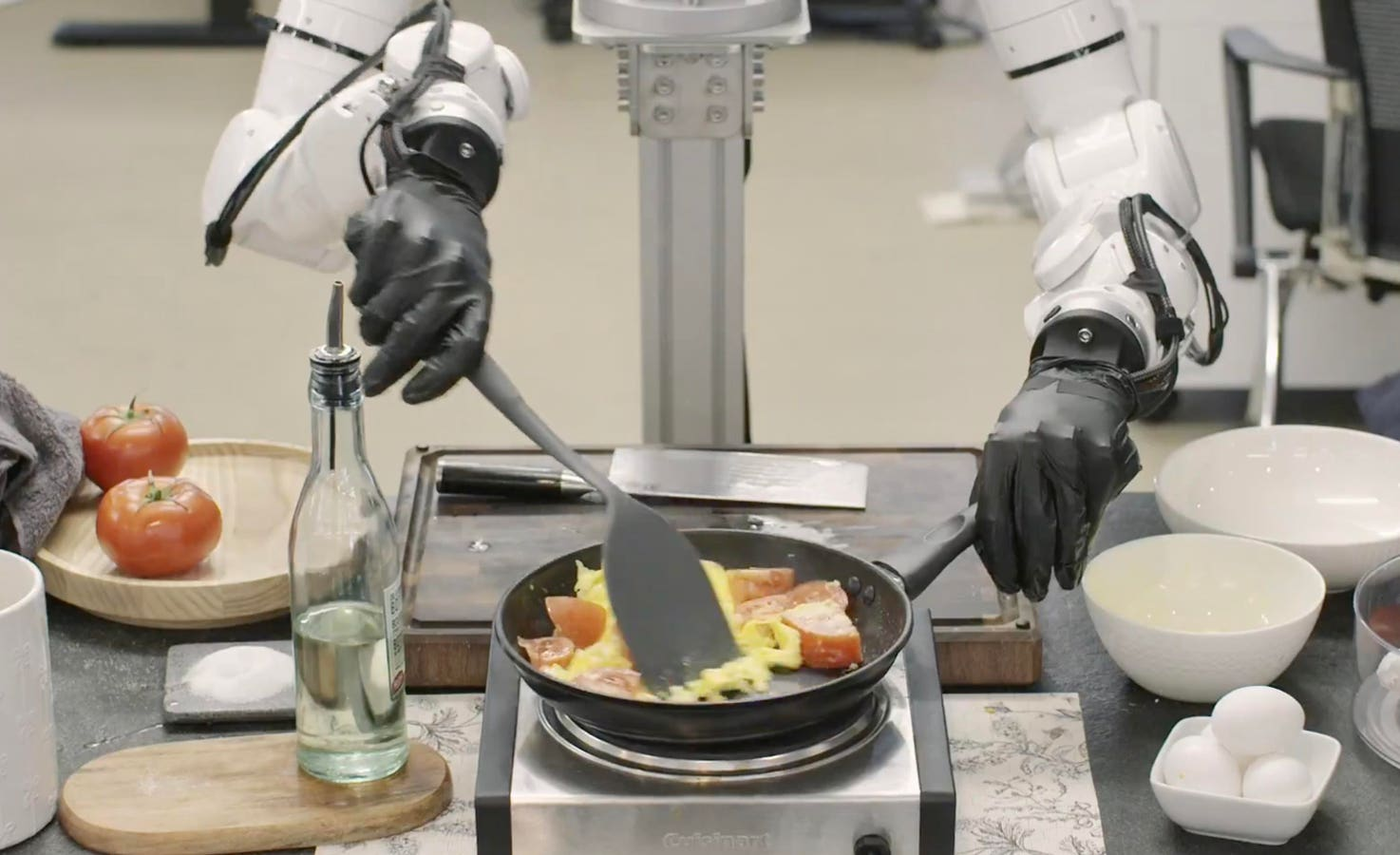
Genesis AI has introduced GENE-26.5, a robotic hand designed to achieve human-like manipulation. This innovation marks a significant shift from traditional robotic hands, which were often limited in functionality. The new robotic hand can perform complex tasks such as cooking a full meal, applying electrical tape, and even solving a Rubik’s cube autonomously. This advancement follows a year of development and aims to tackle the challenges of dexterous manipulation, a key issue in robotics.
Key Highlights
- Genesis AI has secured $105 million in funding to support its ambitious project.
- The robotic hand uses a unique data collection glove to capture human dexterity in real-world scenarios.
- Despite impressive demos, there are currently no robotic hands deployed for routine tasks, highlighting a gap between potential and reality.
- Kyber Labs is taking a different approach, focusing on hardware first, emphasizing force-driven manipulation rather than mimicking human hand movement.
Why This Matters
The advancements in robotic hands could transform industries by enabling robots to perform tasks that require fine motor skills. However, the real challenge lies in making these robots durable and cost-effective for everyday use. As the technology progresses, the gap between prototypes and practical applications must be closed. Both Genesis AI and Kyber Labs are working towards this goal, but their differing strategies highlight the complexities of developing effective robotic solutions. Ultimately, the success of these innovations could lead to widespread adoption of robots in various sectors, making them an integral part of our daily lives.