
Overview of a Groundbreaking Initiative
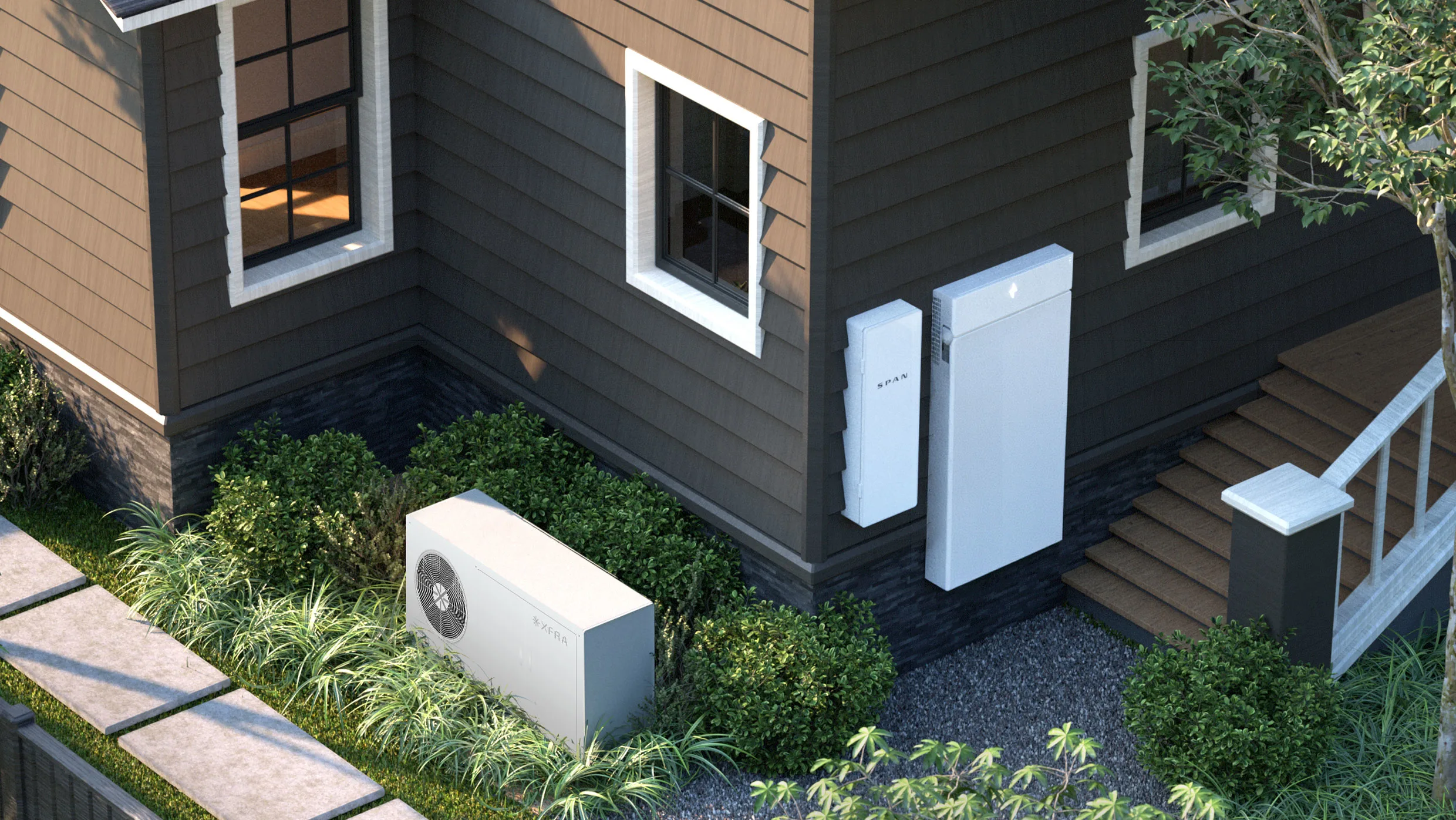
Nvidia is backing a new project that aims to place mini-data centers near homes, resembling HVAC units. This approach addresses the challenge of expanding data center capacity, which is limited mainly by the electrical grid’s ability to supply power, not by a lack of funds or chips. The idea comes from Span, a California company that designs smart utility boxes. These boxes can redirect unused electricity from homes to power GPUs housed in nearby nodes. This setup could enhance distributed computing, making it more efficient and accessible.
Key Features of the Project
- Span’s utility boxes can detect and utilize excess household electricity, which typically remains untapped.
- Each node contains 16 Nvidia GPUs, 4 AMD CPUs, 4 terabytes of memory, and a cooling system.
- Homeowners receive compensation in the form of reduced electricity and internet bills for hosting these nodes.
- The project is still in its testing phase, with only one prototype installed next to a home so far.
Significance of the Initiative
This project could revolutionize how data centers operate by placing compute power closer to users, potentially improving the performance of AI services. However, the concept is largely untested in real-world environments. There are concerns about the impact on local electricity costs and infrastructure, as increased power demand may lead to higher bills for residents. The success of this initiative could reshape the future of data processing and energy consumption in residential areas.





