
Understanding Multimodal Large Language Models
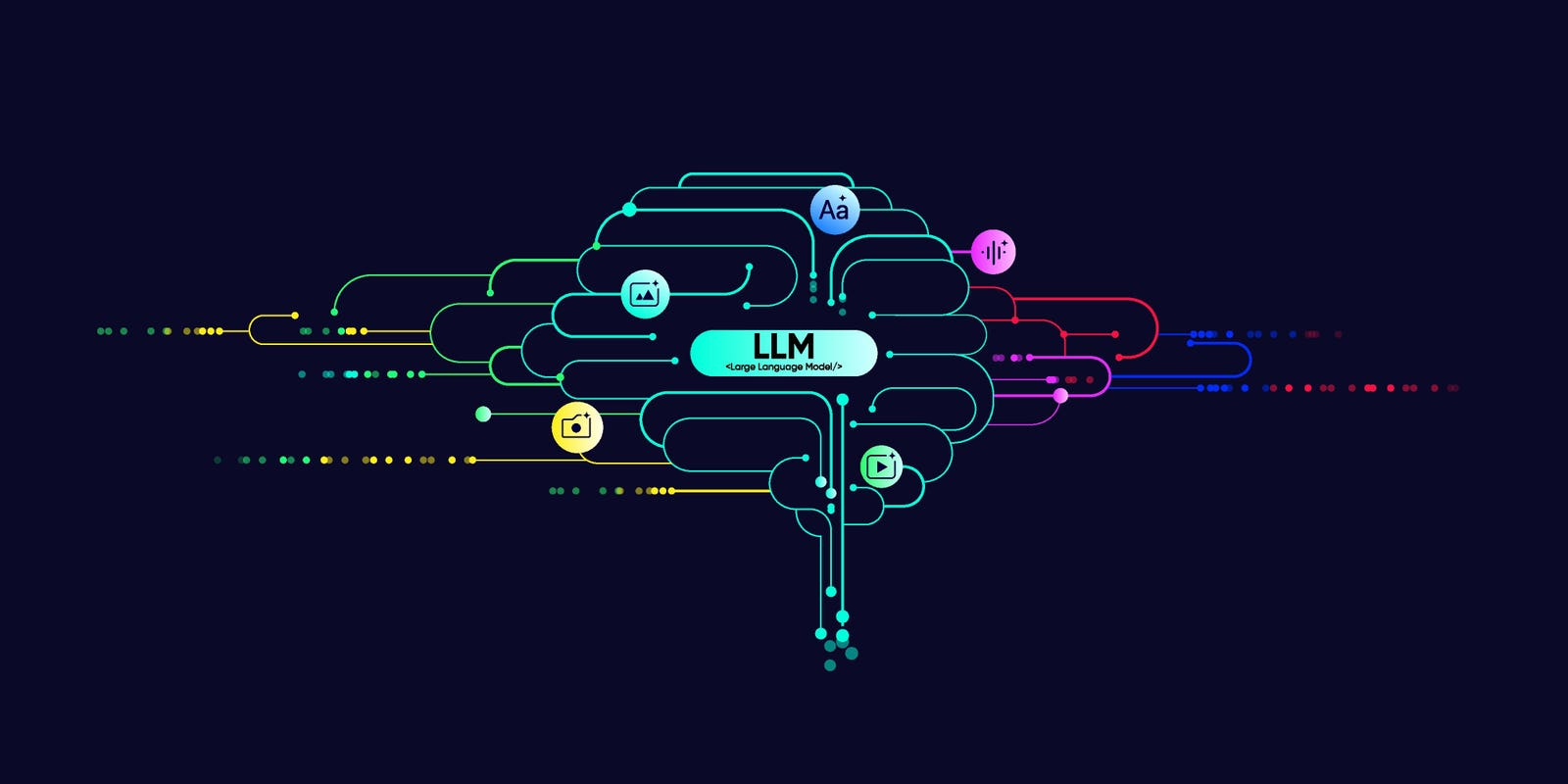
Multimodal Large Language Models (MLLMs) are a new frontier in artificial intelligence that can process and understand multiple types of data. Unlike traditional models that focus solely on text, MLLMs can interpret images, videos, sounds, and more. This capability allows them to learn from various inputs, making them more versatile and interactive. Researchers are exploring how to enhance these models with sensory tools, enabling them to analyze real-world data effectively.
Key Features of MLLMs
- MLLMs utilize various data types, such as text, images, and sounds, to improve understanding.
- They can be equipped with sensory gear like cameras and IoT devices, allowing them to interact with the real world.
- These models can recognize human actions, assess skill development, and provide personalized assistance, particularly for individuals with disabilities.
- The integration of convolutional neural networks with LLMs enables better feature extraction and understanding of complex tasks, like following a moving object.
The Importance of MLLMs
The development of MLLMs represents a significant leap in AI technology. By allowing models to “see” and interpret the world similarly to humans, they open up new possibilities for applications in various fields. This includes enhancing human-computer interaction, improving accessibility for disabled individuals, and refining how we teach AI about complex physical concepts. As MLLMs continue to evolve, they could revolutionize the way we interact with technology and understand our environment.





