
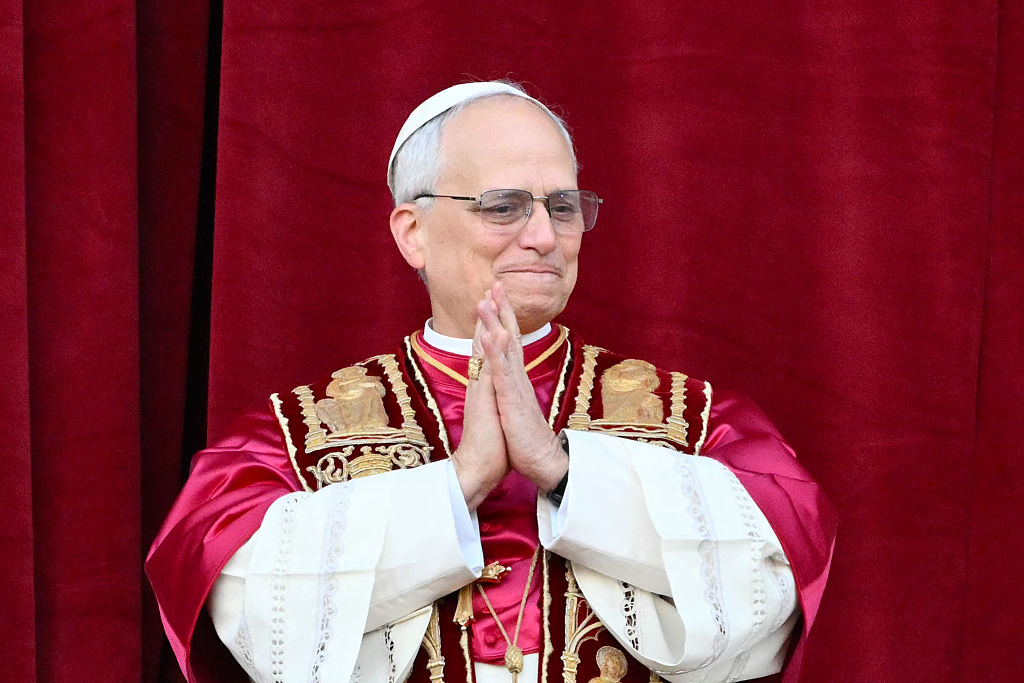
Understanding the Encyclical
Pope Leo XIV recently released a significant encyclical titled “Magnifica Humanitas.” This document focuses on the implications of artificial intelligence (AI) for humanity while addressing broader issues such as inequality, war, and the erosion of democracy. The pope emphasizes that technology should not be controlled by a small elite, as this can lead to negative consequences for society as a whole. The encyclical argues for the necessity of public oversight and community participation in the development and governance of AI technologies.
Key Points of the Encyclical
- The concentration of power among a few individuals or companies can lead to a lack of transparency and accountability.
- AI technology tends to amplify existing inequalities, benefiting those who already possess resources and expertise.
- The encyclical calls for an end to the AI arms race, urging for responsible development guided by ethical standards.
- Pope Leo XIV draws parallels between current AI challenges and historical issues addressed in earlier papal teachings, highlighting the ongoing struggle against concentrated power.
The Importance of the Message
The encyclical is timely, reflecting concerns about the influence of technology on democracy and social structures. As AI continues to evolve, the risks of misinformation and manipulation grow, impacting public trust and democratic processes. The call for ethical oversight is crucial to ensure that AI serves the common good rather than the interests of a select few. By advocating for community engagement and responsible governance, Pope Leo XIV aims to protect human dignity in an increasingly complex technological landscape.





