Understanding Vibe Coding and Its Evolution
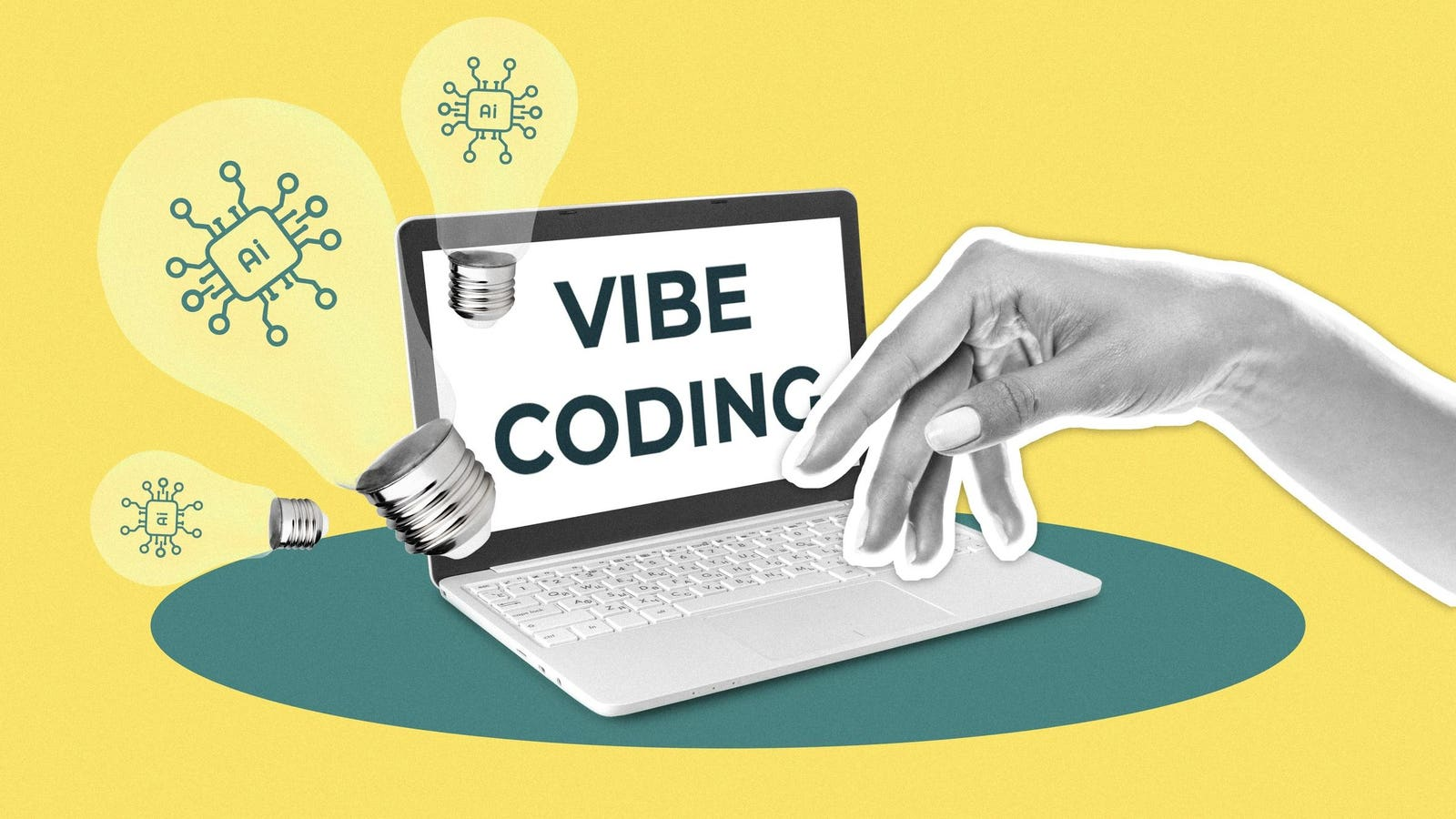
Vibe coding is a new approach to software development that allows non-technical users to create applications using AI tools. This method, initially celebrated for its accessibility, has raised concerns about security and code quality. Developers using these AI tools often have misplaced confidence in their code’s security, leading to potential risks. Andrej Karpathy, a key figure in this space, has shifted from promoting vibe coding to advocating for “agentic engineering.” This new term emphasizes the importance of oversight and quality in software development.
Key Insights from the Current Landscape
- The Stanford study highlights that AI-generated code may be less secure, despite developers feeling more confident about it.
- Agentic engineering focuses on managing AI agents rather than writing code directly, ensuring better quality.
- Companies like Lovable and Blitzy are creating tools that cater to both non-technical users and enterprise needs.
- There are challenges in debugging AI-generated code, but a structured approach can help manage complexity.
The Importance of Adapting to Change
The shift towards vibe coding and agentic engineering represents a significant transformation in software development. As technology becomes more accessible, it is crucial for users to understand the limitations of these tools. Creativity and a willingness to adapt are essential for success in this evolving landscape. Embracing these changes can empower non-developers to contribute meaningfully while ensuring that the quality of software remains a priority.