The Evolution of Personal Computing
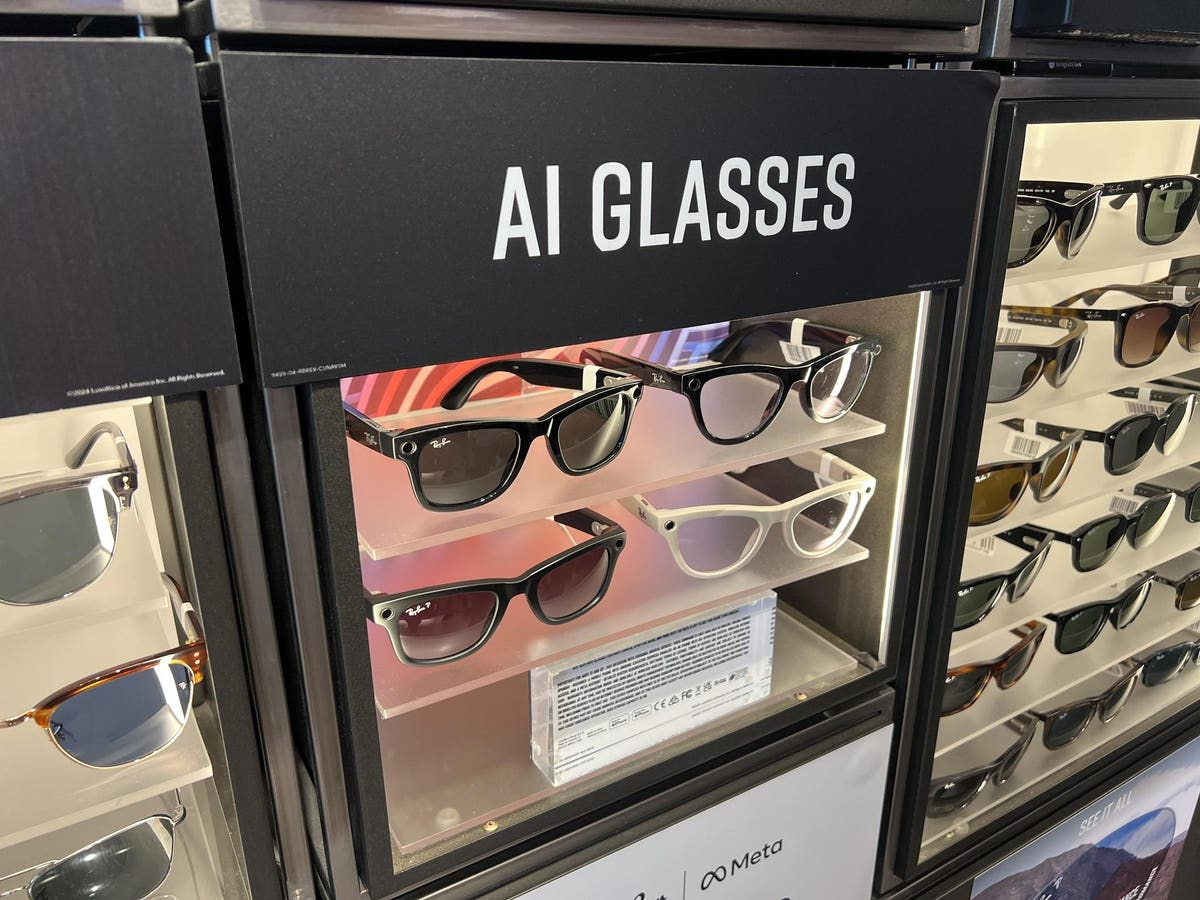
Personal computing has changed significantly since the 1970s, with smartphones dominating since the late 2000s. However, the rise of wearable technology, particularly smart and augmented reality (AR) glasses, is set to transform this landscape once again. These devices are becoming increasingly capable and are starting to offer functions traditionally reserved for smartphones. As the technology continues to evolve, smart glasses are expected to play a crucial role in our daily interactions with digital content.
Key Developments in Wearable Technology
- Smart glasses, led by companies like Meta, are gaining market share and improving functionality.
- The AR glasses market is predicted to grow significantly, with partnerships like Specs Inc and Qualcomm driving innovation.
- Current capabilities include photo and video capture, internet access, and real-time language translation.
- Advancements in battery technology and reduced costs will make these devices more accessible and practical for everyday use.
The Bigger Picture: A Shift in Computing Paradigms
The integration of agentic AI into wearables is a game-changer. These AI agents can process contextual information, enhancing user experience and enabling new applications like real-time translation. As smart and AR glasses become more capable, they will likely replace smartphones for many daily tasks. While smartphones will remain essential for high-computing tasks, wearables will offer a new level of convenience and accessibility, making them the primary personal computing device for many users.