Understanding the Impact of AI on Elections
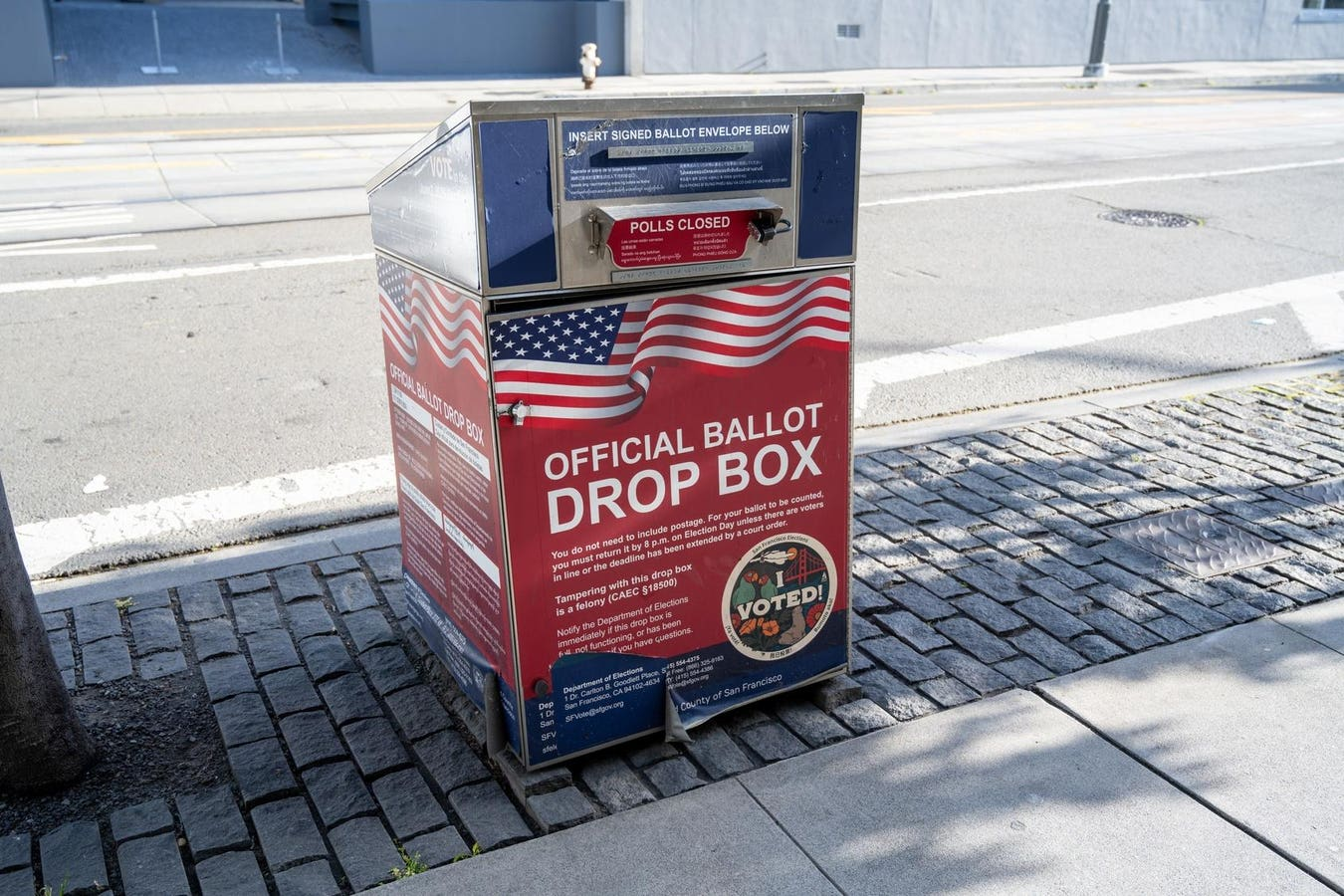
As the U.S. gears up for the upcoming mid-term elections, the influence of artificial intelligence (AI) is a hot topic. Experts are concerned about how AI can shape public opinion and possibly manipulate electoral outcomes. Recent discussions at MIT highlighted the challenges posed by AI in maintaining electoral integrity. The rapid evolution of technology has outpaced existing regulations, making it difficult for institutions to adapt effectively. This situation raises questions about the future of democracy in a tech-driven world.
Key Insights from Recent Discussions
- Experts emphasize the need for new regulatory tools to manage AI’s influence on elections.
- The U.S. has a unique perspective on free speech that complicates the regulation of political discourse.
- AI amplifies existing issues in political communication, further eroding norms of mutual respect and shared understanding.
- There’s a growing concern that reliance on AI might lead to a passive citizenry, reducing individual agency in democratic processes.
The Broader Implications for Democracy
The conversation around AI and democracy is crucial as it touches on the core values of agency, respect, and inclusion. The potential for AI to distort political discourse poses a threat to informed citizen participation. As technology becomes more integrated into daily life, ensuring equitable access and fostering active engagement in democratic processes will be vital. The ongoing debates reflect a broader struggle to balance innovation with the preservation of democratic ideals, making it essential to rethink how society interacts with technology in political contexts.