Overview of the Innovation
Nvidia has introduced a warm-water cooling system that significantly reduces water usage in data centers. The company claims that this system can eliminate nearly all water consumption within the facility. However, this solution only addresses part of the broader water consumption issue associated with AI data centers, particularly those powered by fossil fuels.
Key Details
- The new cooling system operates in a closed loop, recirculating coolant, which can lead to a 100% reduction in on-site water use in suitable climates.
- The coolant is heated to 45°C (113°F) before passing through servers, emerging at 55°C (131°F). This allows passive radiators to draw heat without needing fans or chillers, making the system quieter and more efficient.
- Despite these advancements, the water consumption from electricity generation and chip manufacturing can significantly increase the total water footprint of data centers.
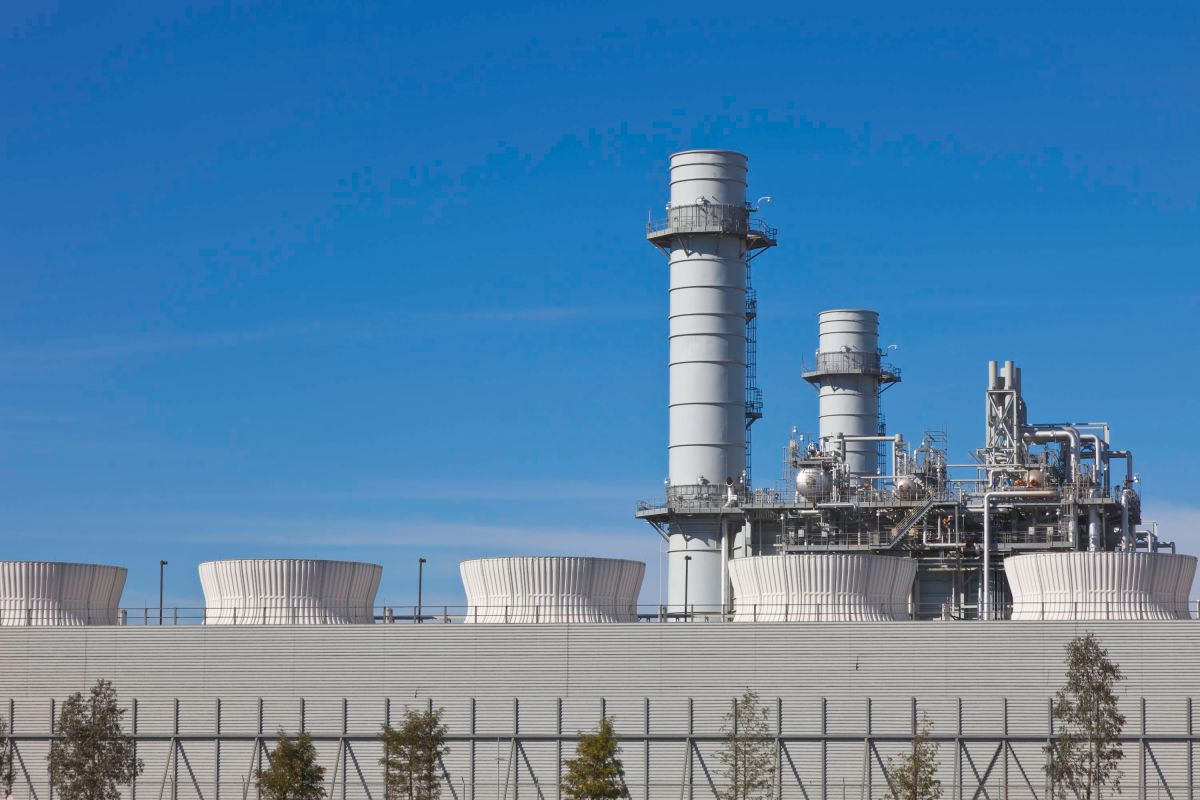
- Fossil fuel power plants remain major water consumers, with natural gas and coal plants using substantial amounts of water for electricity generation.
The Bigger Picture
While Nvidia’s cooling system represents a significant step toward reducing water use within data centers, it does not solve the overall water consumption problem associated with energy sources. As long as data centers rely heavily on fossil fuels for electricity, the water savings from innovative cooling technologies may be limited. Transitioning to renewable energy sources is crucial for achieving a sustainable future. Without this shift, the water consumption challenges for AI data centers will persist, underscoring the need for comprehensive strategies that address both internal and external water usage.