
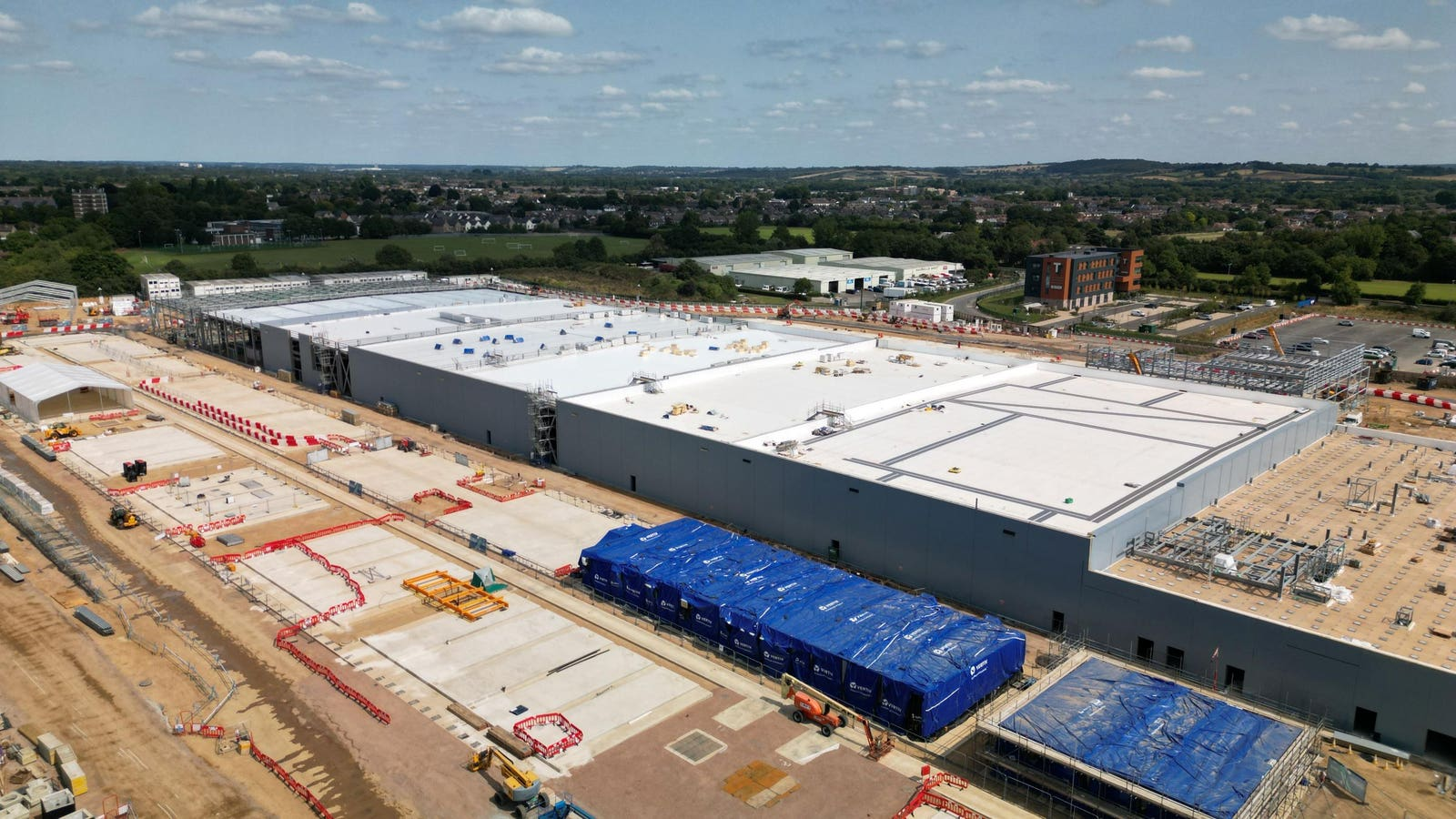
Understanding the Current Landscape
Data centers in the U.S. are facing significant delays, with almost half of those planned for 2026 stalled. This situation is not due to a lack of chips or funds but rather a critical shortage of essential infrastructure components like transformers and grid capacity. Companies aiming for AI advancements are realizing that the real constraints lie in the power supply and not in the technology itself. The construction data reveals that only a small percentage of the planned power capacity is currently being built, indicating a shift in focus from chip shortages to infrastructure challenges.
Key Insights
- The bottleneck has shifted from semiconductor availability to power infrastructure.
- High-voltage transformers have long lead times, making timely project completion difficult.
- Demand for electricity from data centers is expected to double by 2030, outpacing current grid capabilities.
- Companies are changing their site selection process, prioritizing power availability over traditional factors like tax incentives.
The Broader Implications
This infrastructure issue is not merely a technical challenge; it has significant political and economic consequences. As the demand for electricity grows, it will likely lead to higher costs for consumers. Regulators are under pressure to ensure that large data centers bear the costs of the necessary upgrades to the power grid. This situation will reshape where and how companies invest in data centers, as they seek reliable power sources over traditional site selection criteria. The future of AI development is now closely tied to the availability of power, making it a pivotal factor in shaping the tech landscape.





