Overview of the Situation
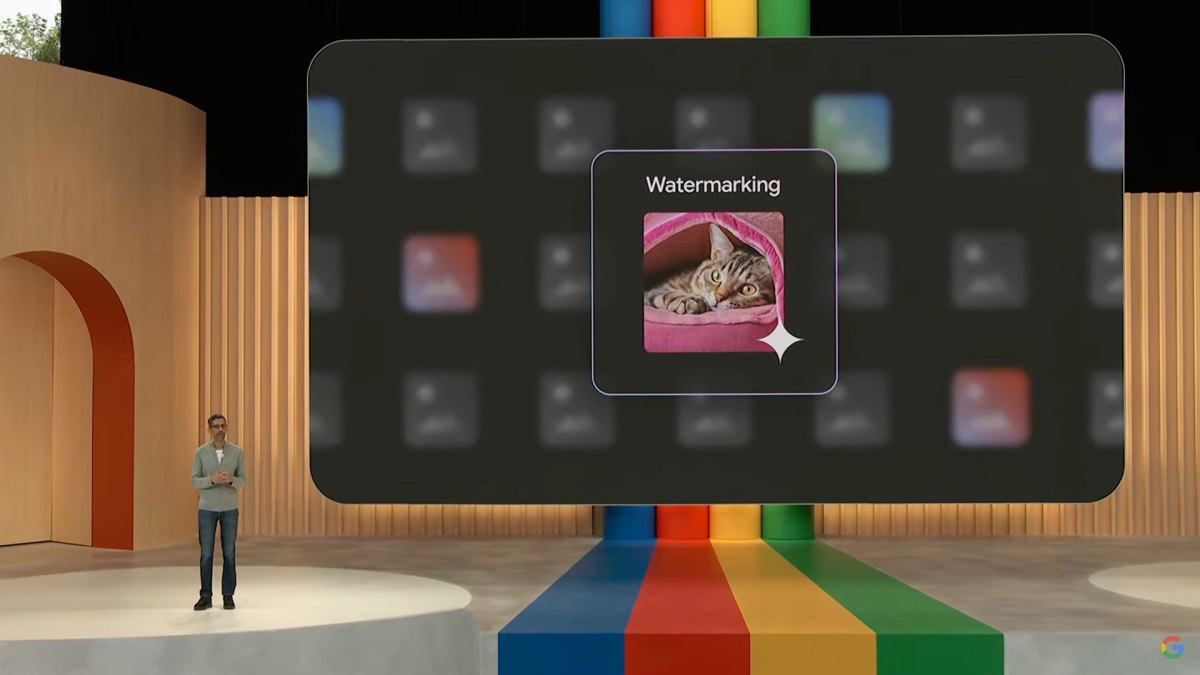
A recent incident highlighted the effectiveness of Google’s SynthID system in combating misinformation. A fake image of Senator Mitch McConnell, allegedly in distress in a hospital, circulated widely on social media platforms. This image sparked concern and speculation about the senator’s health. However, fact-checkers quickly identified the image as artificial, thanks to the SynthID watermark embedded within it. This event marks a significant success for anti-deepfake technologies, illustrating how digital tools can help verify the authenticity of images.
Key Details
- The image of Senator McConnell was widely shared on Reddit and X, raising alarm about his health.
- Snopes confirmed the image was fake by detecting the SynthID watermark, proving its effectiveness.
- SynthID, launched in 2025, uses an invisible signature that remains intact even after image alterations.
- Only certain image-generation tools, like Google’s Gemini, currently support the SynthID watermark.
The Bigger Picture
The success of SynthID in debunking this hoax shows the importance of developing technology to counteract misinformation. As AI-generated content becomes more prevalent, tools like SynthID can help restore trust in digital media. This incident serves as a reminder that while misinformation can spread quickly, effective verification methods can provide clarity and truth. The ongoing development and adoption of such technologies are crucial in the fight against deepfakes and misinformation in today’s digital landscape.