
The Shift in Travel Marketing
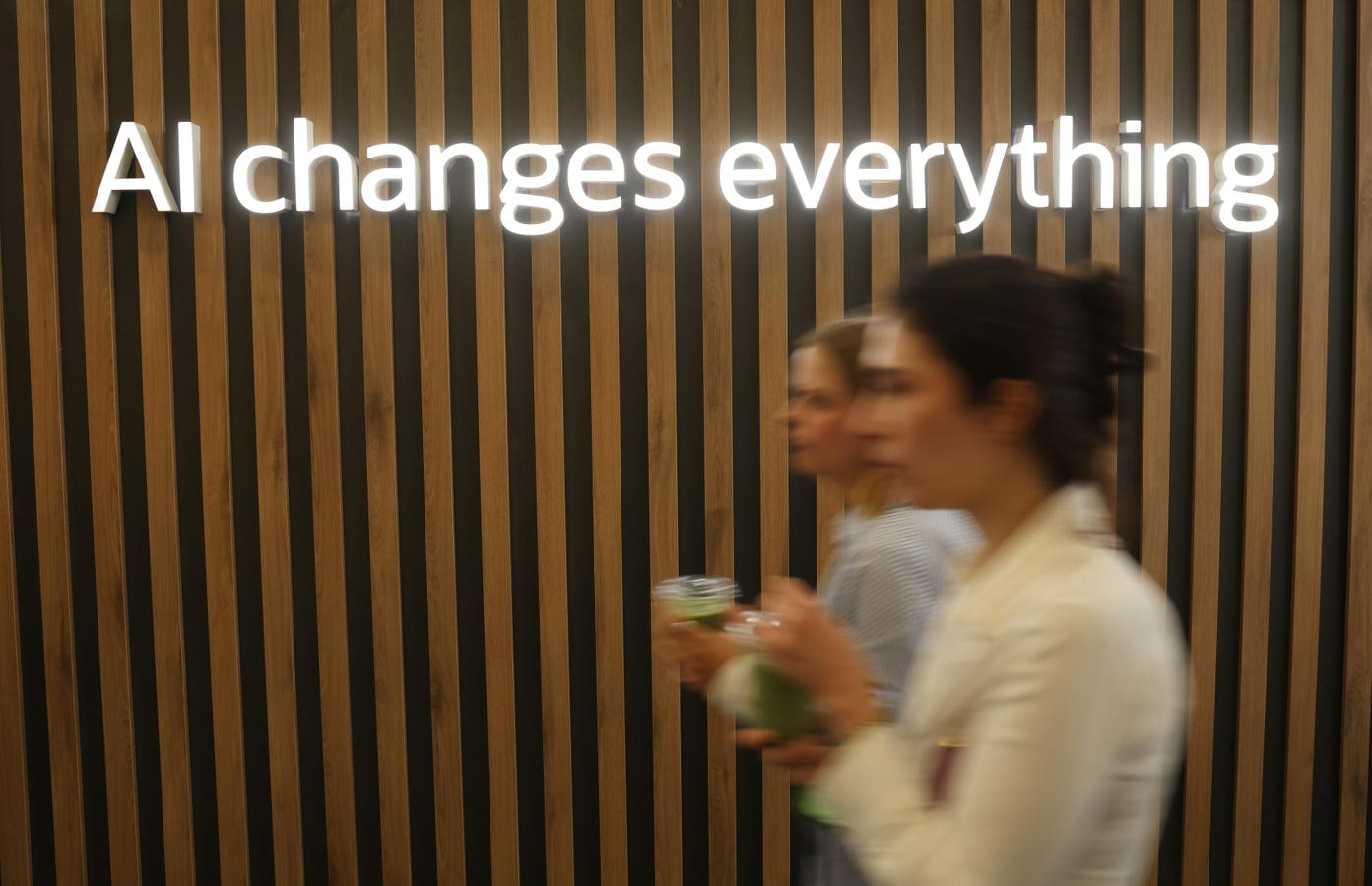
Travel marketing is undergoing a major transformation. Traditional methods of planning trips are being disrupted by artificial intelligence (AI). Consumers are now more focused on experiences rather than just flights and hotels. This shift presents both challenges and opportunities for established travel brands like Hilton. Mark Weinstein, Hilton’s Chief Marketing Officer, emphasizes that AI is not just a tool but a new ecosystem that will change how brands interact with consumers.
Key Insights
- The travel planning process is becoming less linear; consumers often start with experiences, such as concerts or events, before considering flights or hotels.
- AI is reshaping consumer engagement, but trust remains crucial. People still prefer to make final decisions themselves, even with AI assistance.
- Loyalty is vital in an AI-driven world. Brands must ensure that emotional connections are not lost in the process of AI decision-making.
- The rise of experience-led travel reflects a broader consumer desire for memorable trips that offer unique stories and social currency.
The Bigger Picture
The evolution of travel marketing highlights the need for brands to adapt to changing consumer behaviors. As experiences become central to travel, brands must maintain their emotional connections with customers while leveraging AI. The challenge lies in ensuring that AI tools do not reduce travel choices to mere rational decisions. By fostering loyalty and trust, brands can navigate this new landscape effectively and continue to resonate with consumers.





