
Understanding AI in Healthcare
Artificial Intelligence (AI) is making substantial contributions to healthcare, especially in fields like neuroscience. The advancements are vast and varied, impacting areas such as drug discovery, medical imaging, patient analysis, cancer treatment, and genetic research. Eric Rosenthal, a prominent neurologist at Massachusetts General Hospital, recently highlighted how AI is reshaping patient care during a TED Talk. He draws parallels between AI’s role in healthcare and historical figures like Paul Revere, emphasizing the importance of effectively conveying information to enhance patient outcomes.
Key Innovations in AI
- AI aids in drug discovery, speeding up the development of new medications.
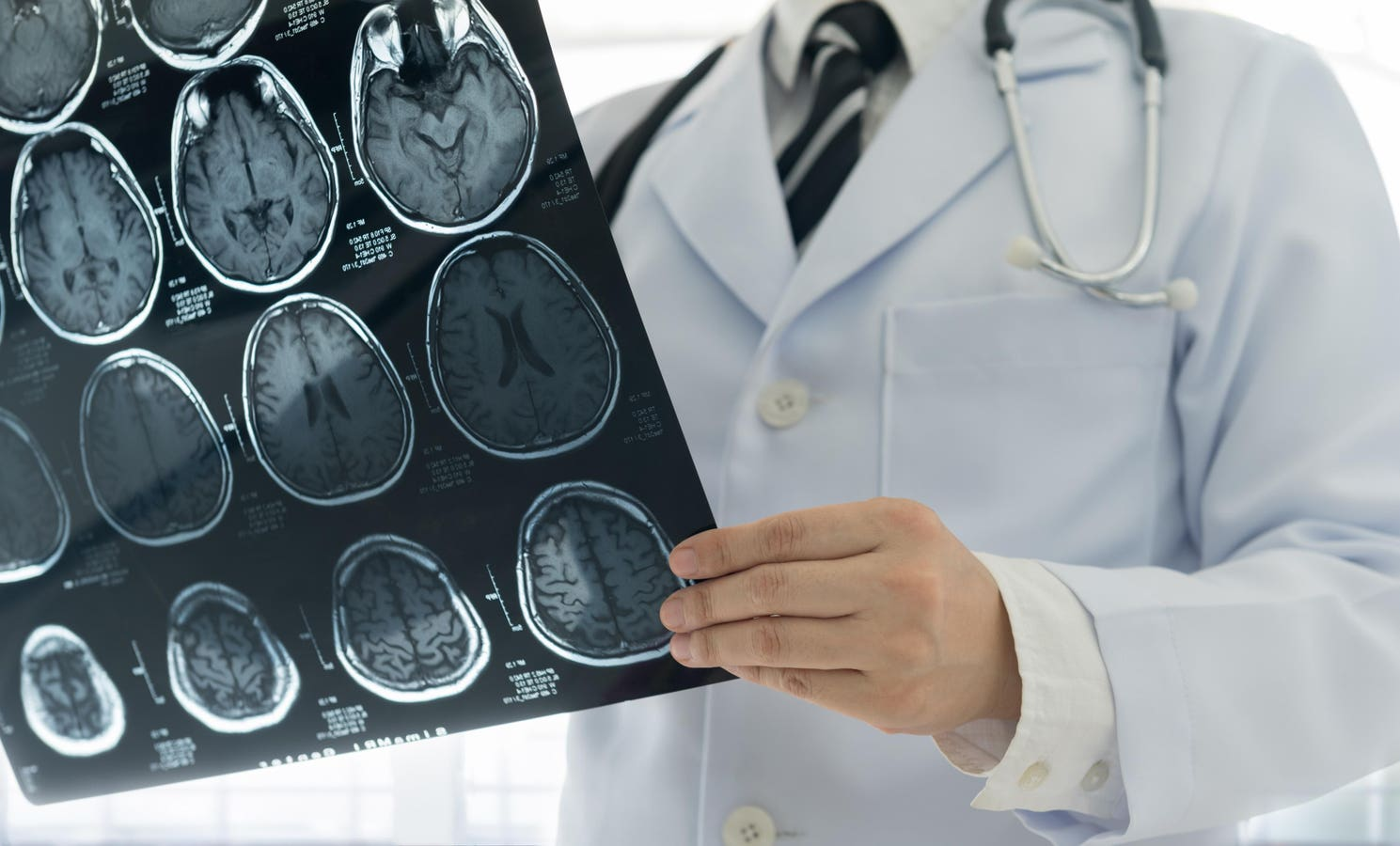
- Advanced imaging techniques powered by AI enhance the accuracy of diagnoses.
- AI tools analyze patient data to provide deeper insights into individual health.
- AI contributes to breakthroughs in cancer treatment and genetic science.
- Real-time documentation through AI allows healthcare providers to focus more on patient interaction.
Significance of AI in Patient Care
The integration of AI into healthcare is crucial for improving patient experiences and outcomes. As Rosenthal points out, traditional healthcare models often overlook the complexities of patients’ lives outside the clinic. By utilizing AI, healthcare providers can better understand patients’ struggles, leading to more personalized care. This technology not only enhances communication but also empowers patients with disabilities, allowing them to interact with their environment in ways previously unimaginable. As healthcare continues to evolve, AI’s role will be central to creating a more connected and responsive healthcare system.





