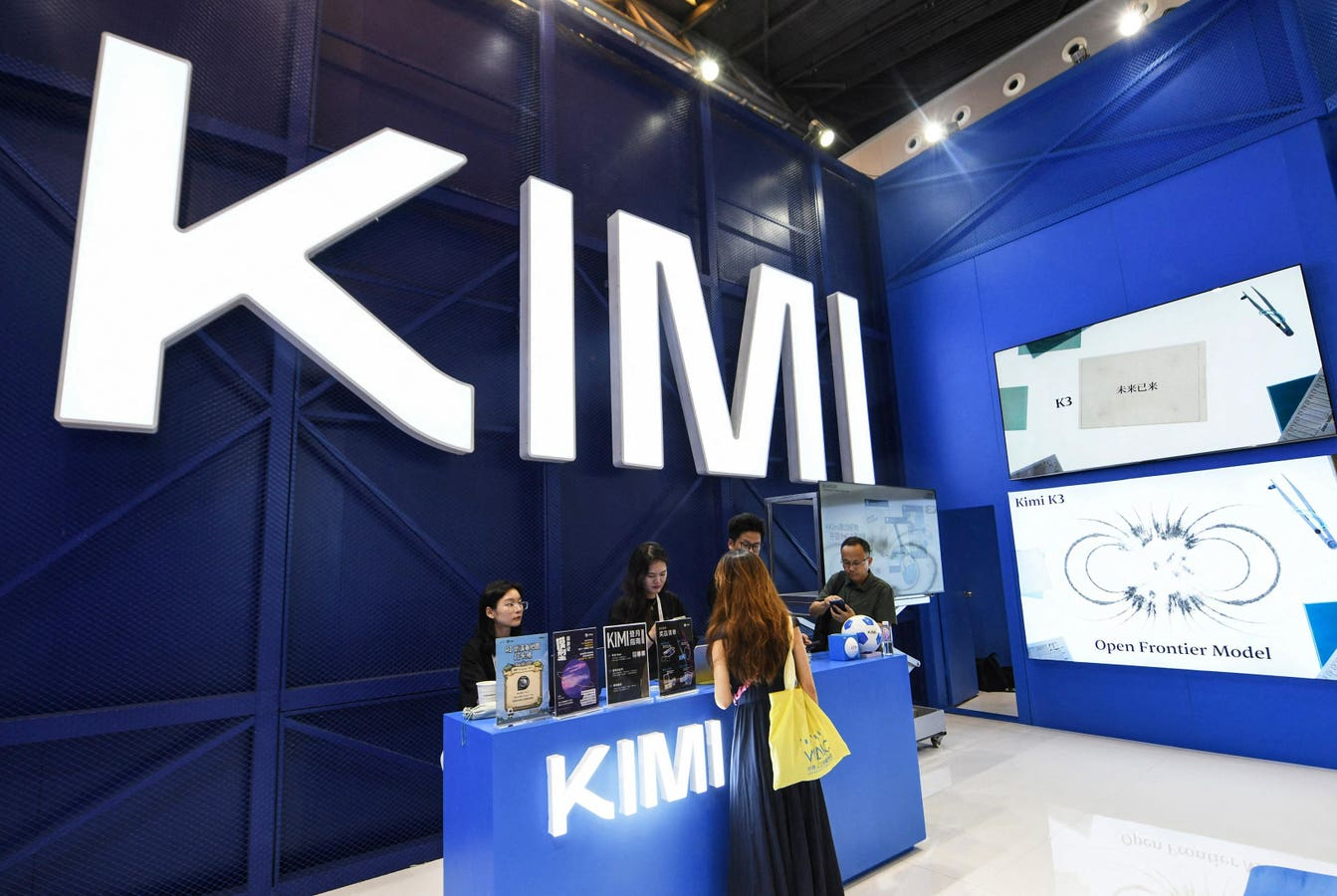
Understanding the Buzz Around Kimi K3
Moonshot AI’s recent launch of the Kimi K3 model has stirred excitement in the tech community. This model, which is expected to have open weights, is seen as a significant advancement in AI technology, rivaling offerings from major US labs. The introduction of Kimi K3 highlights China’s growing influence in the AI sector. The model’s customizable source code and lower costs make it appealing to businesses worldwide. However, its release also raises important considerations for companies relying on AI technology.
Key Details to Consider
- The Kimi K3 model is part of a global AI arms race, leading to potential regulatory changes.
- Companies should be wary of geopolitical risks that could affect their AI model supply.
- The competitive landscape is shifting; the sophistication of models may no longer be a unique selling point.
- Businesses may need to adopt multi-vendor strategies to mitigate risks and ensure continuity.
- The emergence of free open models could disrupt pricing structures and impact AI costs significantly.
The Bigger Picture for Businesses
The launch of Kimi K3 signifies a pivotal moment for AI technology, prompting companies to rethink their strategies. As models become more similar, businesses must focus on factors beyond just performance metrics. Trust, security, and vendor relationships will play crucial roles in determining the success of AI integration. Companies need to develop comprehensive strategies that consider the implications of using various AI models. Understanding these dynamics will be essential for businesses to navigate the evolving AI landscape effectively.