
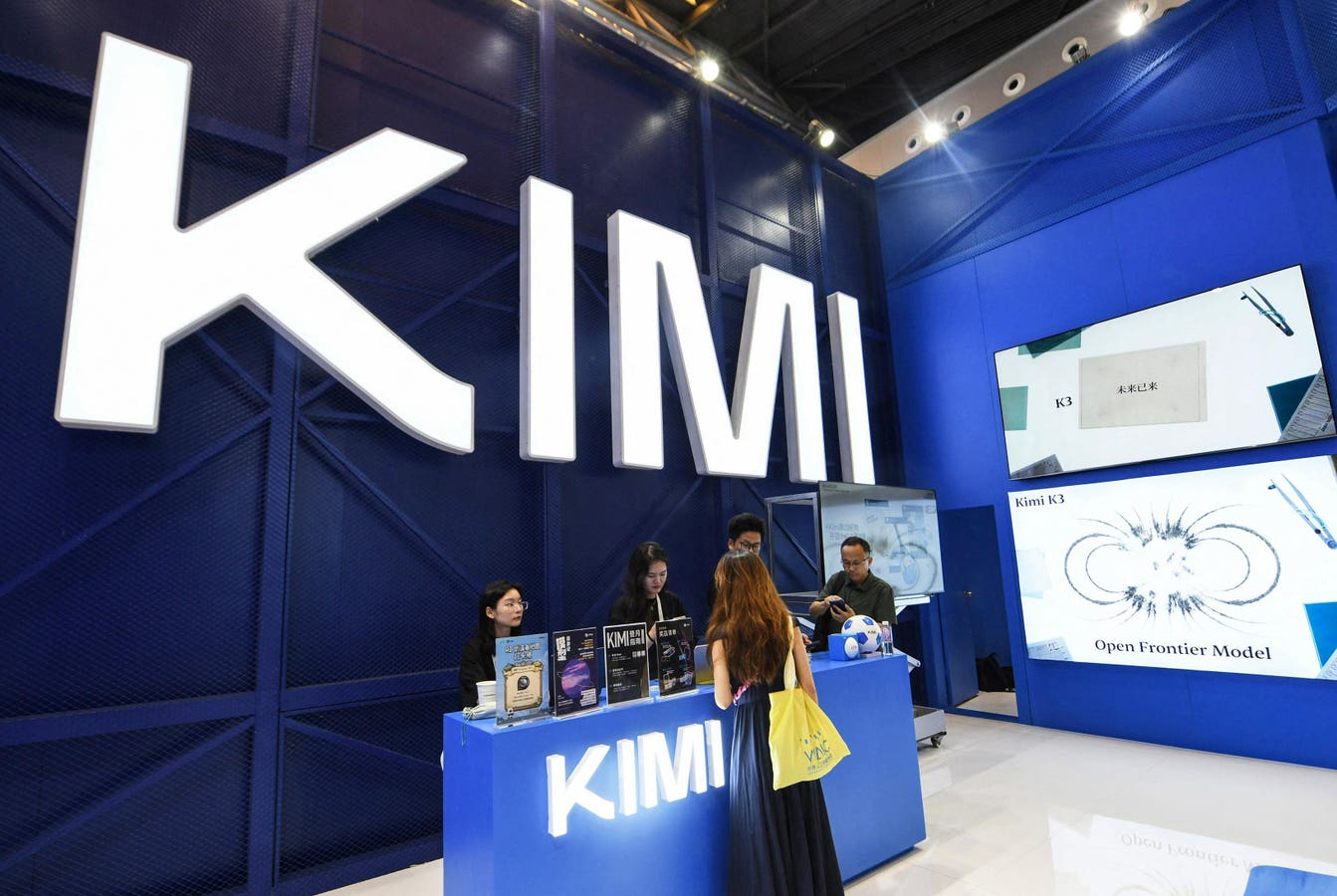
Overview of Kimi K3’s Impact
Moonshot AI’s recent launch of the Kimi K3 model has stirred excitement in the tech community, highlighting China’s growing capabilities in artificial intelligence. This model, which is expected to be open-weight, challenges existing AI technologies and raises important questions for businesses and governments. Its introduction signals a shift in how AI models are perceived and utilized globally, especially in the context of competition between the US and China.
Key Insights on Kimi K3
- The Kimi K3 model is seen as a strong competitor to advanced US models, promoting discussions about AI governance.
- Geopolitical tensions may lead to regulatory actions affecting model availability and usage, requiring businesses to prepare for potential disruptions.
- As AI models become more similar, companies may need to adopt multi-vendor strategies to mitigate risks and ensure adaptability to sudden market changes.
- The rise of free open models could drive down costs but necessitates careful budgeting to avoid unintended financial consequences.
- Companies should consider factors beyond model performance, such as security features and vendor reliability, when selecting AI solutions.
Significance in the AI Ecosystem
The emergence of Kimi K3 represents a pivotal moment in the AI landscape, emphasizing the need for businesses to rethink their AI strategies. The shift towards multi-vendor approaches and the implications of geopolitical influences highlight the complexity of the current AI environment. Understanding these dynamics is crucial for companies aiming to leverage AI effectively while safeguarding their interests and ensuring sustainable returns on investment.





