
What It’s All About
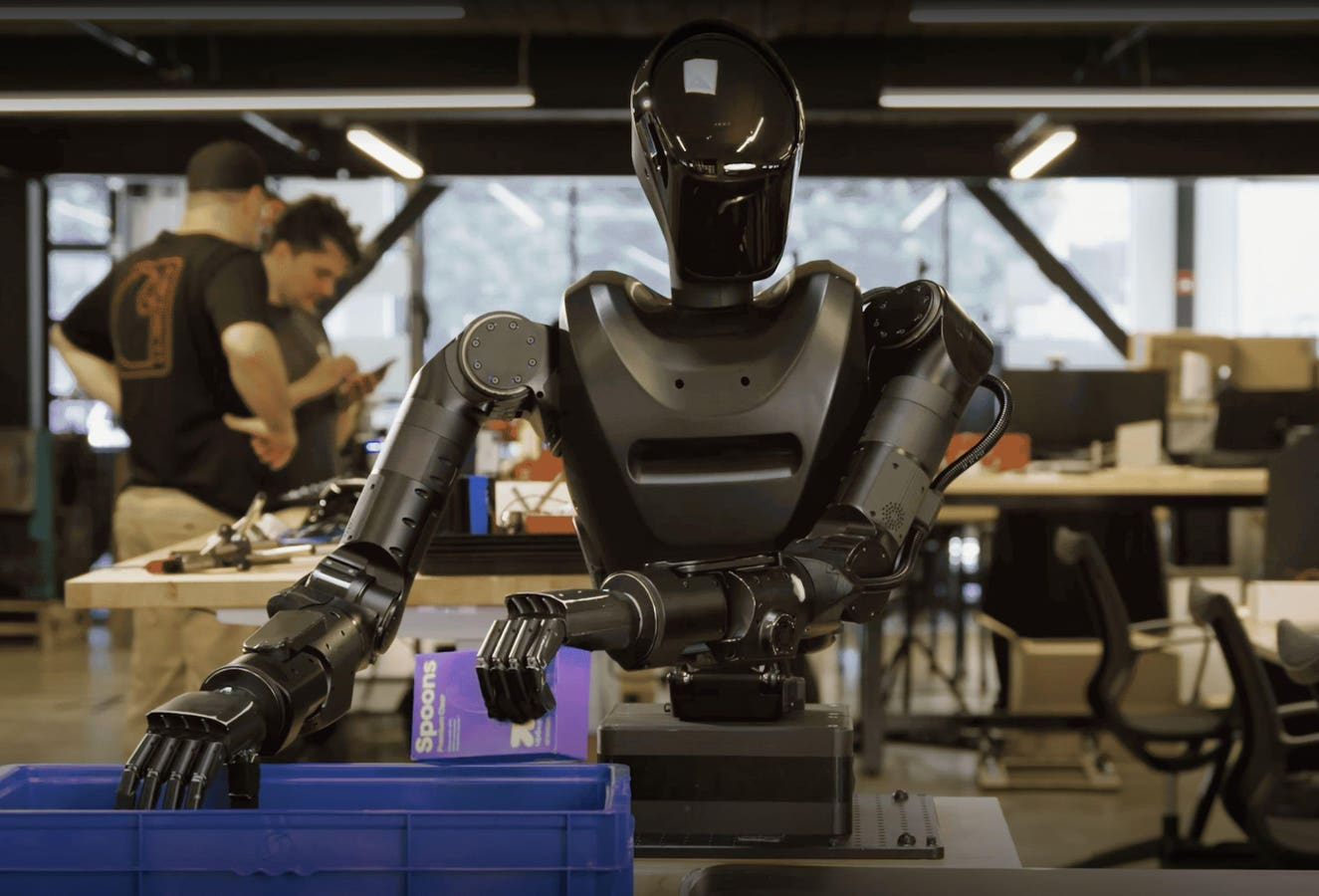
Foundation Future Industries is making waves with its Phantom humanoid robots, which will soon be powered by AMD’s Ryzen AI Embedded X100 Series processors. This partnership positions Foundation to enhance the performance of its robots, particularly in industrial settings and potential military applications. The use of AMD chips promises significant improvements in processing speed and adaptability, paving the way for advanced robotics.
Key Details
- AMD claims its processors are 2.5 times faster in inference and three times faster in training than Nvidia’s top chips, although specifics on testing methods are lacking.
- Foundation’s robots already operate continuously in customer facilities, contributing to over 24,000 cars produced in 2025, generating $100 million in annual revenue.
- The upcoming Phantom MK-2 will be designed for tough environments, boasting features like 100G vibration tolerance and IP67 waterproofing.
- The robots utilize AMD’s FPGAs for precise control of their hands, allowing them to perform complex tasks with 23 degrees of freedom.
Why It Matters
The collaboration with AMD signifies a shift in the robotics industry, challenging Nvidia’s long-standing dominance. With a projected $50 billion market for AI compute by 2035, companies like Foundation are positioning themselves as leaders in this emerging field. The Phantom robots not only showcase advanced technology but also highlight the potential for dual-use applications in both civilian and military sectors. As Foundation continues to innovate, the implications for industries relying on automation and robotics are significant, potentially transforming how tasks are performed across various sectors.





