
Understanding the Future of Robotics
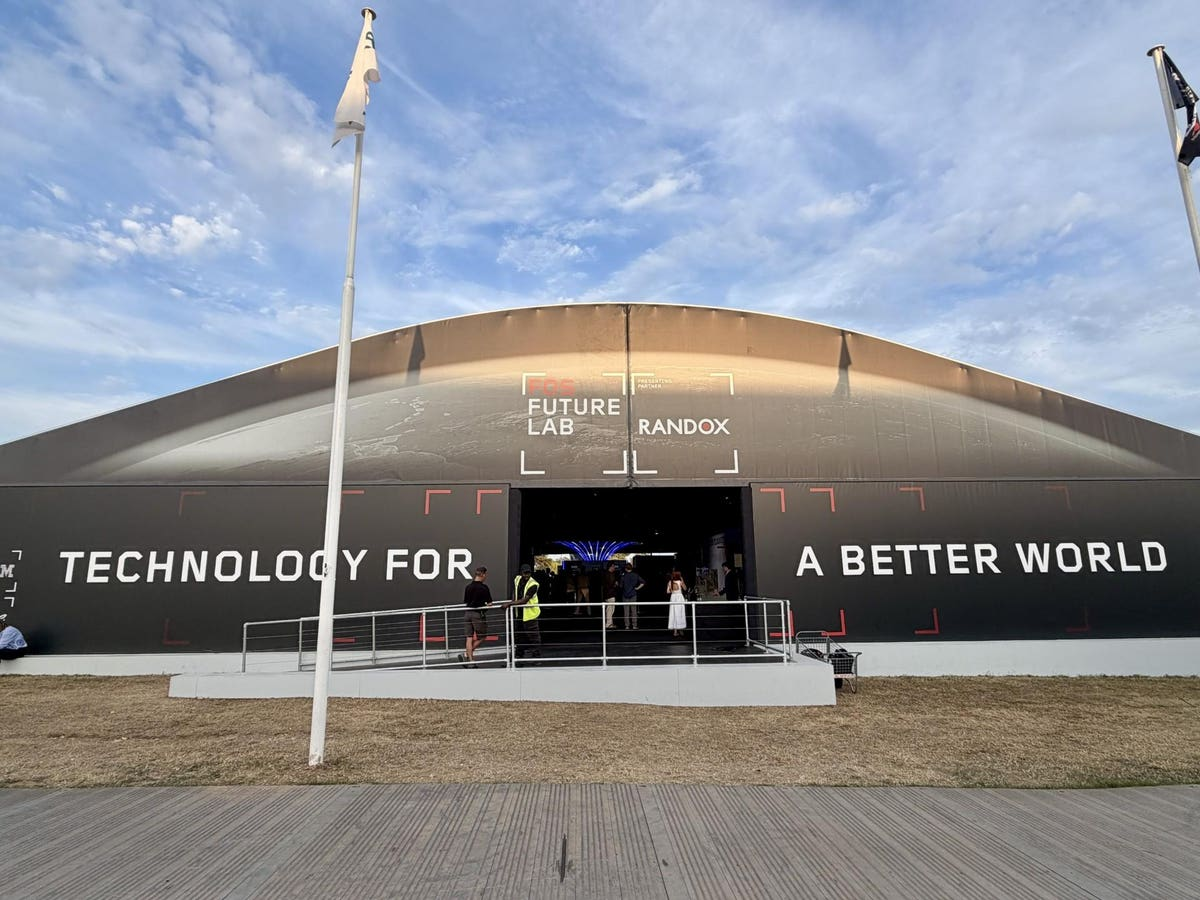
Goodwood Future Lab recently showcased a fascinating array of robots that can work together, understand plain English, and interact naturally with humans. This event highlighted the potential for robots to become integral parts of our daily lives. The festival celebrated speed and engineering, but Future Lab focused on how robotics might reshape our world. Robots demonstrated their abilities in various tasks, from pushing a giant inflatable ball to playing Jenga, showcasing their growing capabilities and ease of use.
Key Features of Robotics Innovations
- OLO Robotics introduced a cloud platform that allows users to program robots using simple English, making technology accessible to non-experts.
- Different types of robots, like humanoids and wheeled rovers, can work together, each contributing unique skills for various tasks.
- Mirokaï robots, designed with expressive features, aim to enhance human interaction in settings like hospitals and airports.
- TouchLab presented electronic skin technology that enables robots to feel touch, improving their ability to handle delicate tasks and operate safely in unpredictable environments.
The Importance of These Developments
The advancements in robotics matter because they can significantly change how industries operate. By making programming more accessible, organizations can better utilize robots for tasks that enhance productivity and efficiency. The ability for robots to understand and respond to human emotions can improve care in sensitive environments, such as hospitals, where emotional support is crucial. Furthermore, incorporating touch into robotic functions allows machines to perform tasks that require precision and care, opening new possibilities in various fields, from healthcare to disaster response.





