Understanding the Future of Robotics and AI
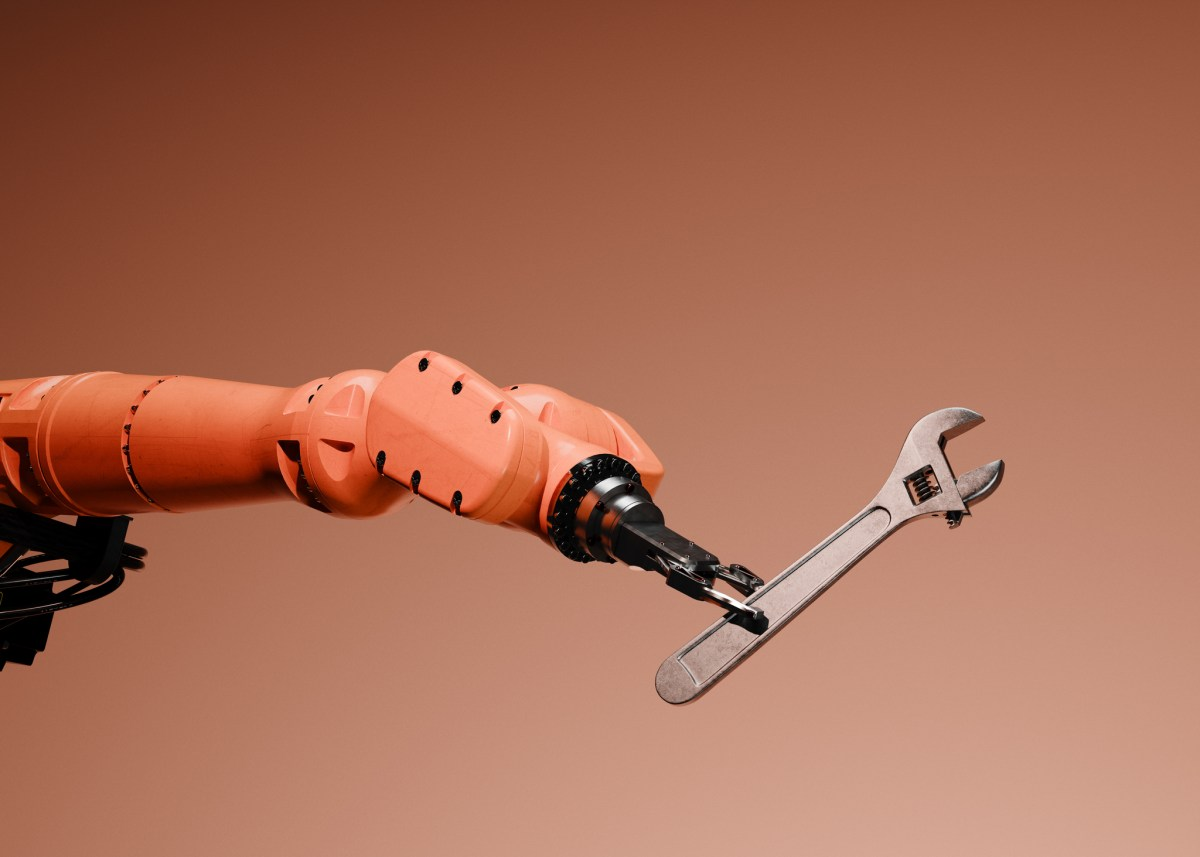
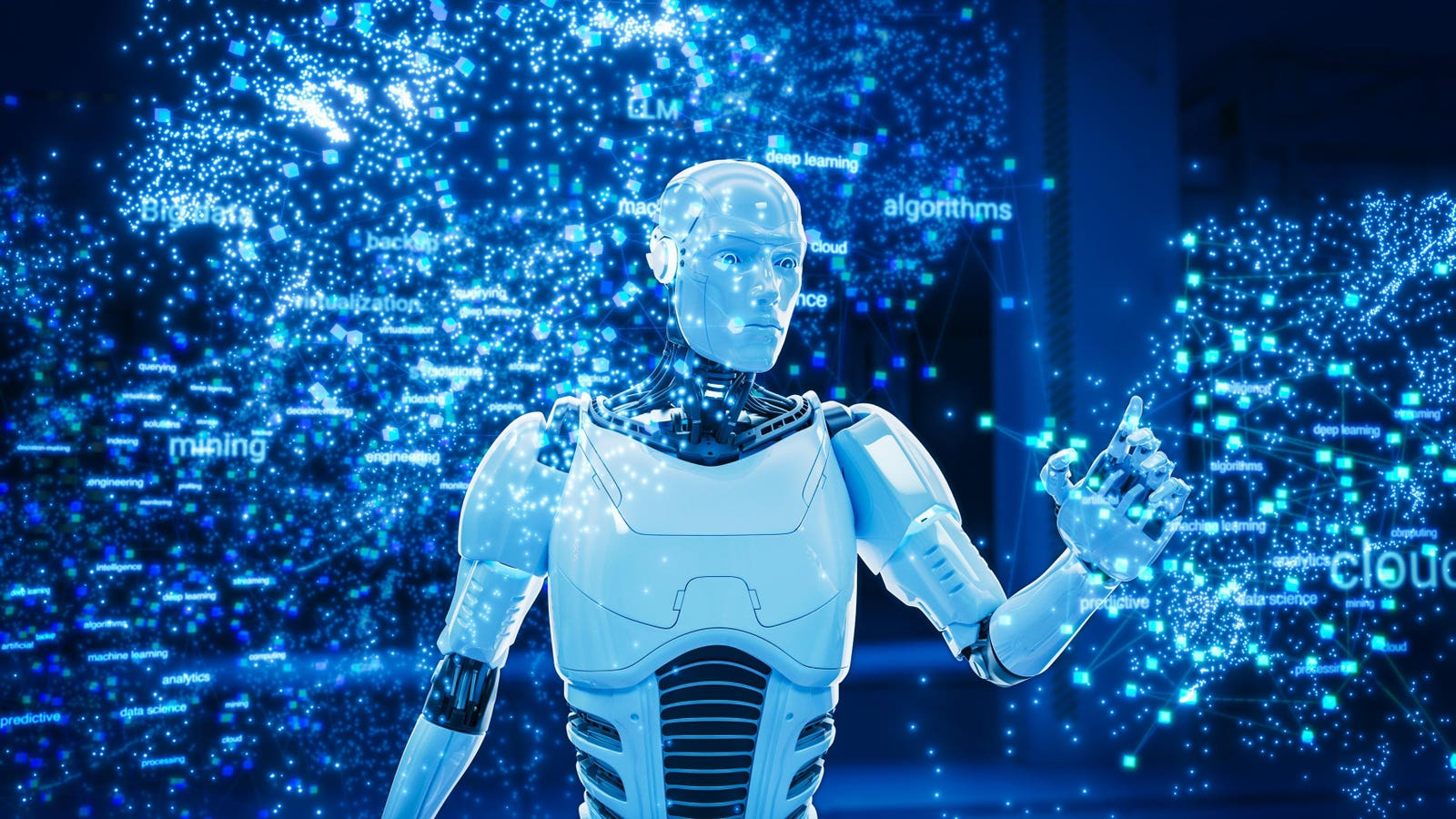
The integration of artificial intelligence with robotics and other advanced technologies is leading us toward a future where humanoid robots play an essential role in various industries. These robots are not just programmed to perform repetitive tasks; they are being designed to learn, adapt, and cooperate with humans in complex environments. The development of humanoid robots signifies a shift from purely digital AI to physical intelligence that can operate in the real world. Companies like Figure AI and Agility Robotics are already implementing these robots in manufacturing and logistics, hinting at a future where they fill labor shortages across multiple sectors.
Key Developments to Note
- Humanoid robots are becoming capable of understanding their surroundings and learning from experiences.
- Businesses are already deploying these robots in factories and logistics, showcasing their effectiveness.
- Advances in brain-computer interfaces (BCIs) are enabling new forms of human augmentation, allowing for enhanced cognitive abilities and control of devices.
- The market for humanoid robots is projected to grow rapidly, potentially reaching a multi-trillion-dollar scale by 2050.
The Bigger Picture: Human-Machine Collaboration
As humanoid robots and AI technologies continue to evolve, they will redefine how humans work and interact with machines. The collaboration between humans and robots will likely enhance productivity and creativity while addressing labor shortages. However, ethical considerations and safety concerns must be prioritized to ensure responsible development. The convergence of these technologies could lead to significant advancements in various fields, but society must prepare for the implications of this hybrid future.