Understanding Zuckerberg’s AI Manifesto
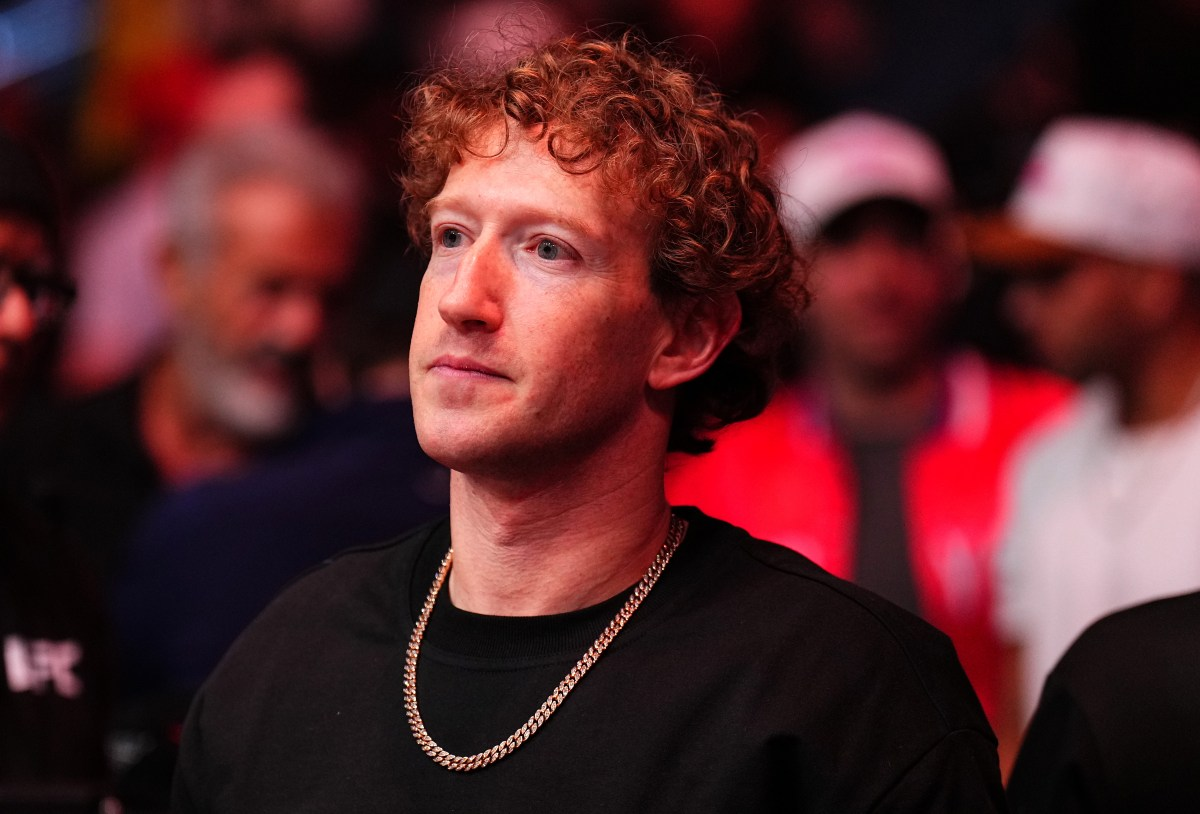
Mark Zuckerberg recently shared a lengthy manifesto about personal AI, focusing on the future of “personal superintelligence” that Meta AI aims to create. While he expresses excitement about the potential of AI to positively impact society, he also acknowledges the risks involved. This duality reflects the mixed feelings many have toward AI, particularly given Zuckerberg’s controversial reputation due to past issues with Facebook. The manifesto attempts to present a vision of a bright future powered by AI, but it also highlights the trust deficits that exist between tech leaders and the public.
Key Points from the Manifesto
- Zuckerberg emphasizes that AI will empower individuals, allowing everyone to shape the future.
- He presents optimistic scenarios, such as every student having access to a personalized tutor, but overlooks current misuse of AI in education.
- The idea of everyone having a superintelligent lawyer is discussed, yet it raises concerns about potential legal complications.
- His description of Meta’s freemium model is abstract and raises questions about user experience with pricing.
The Bigger Picture of Trust and Technology
Zuckerberg’s manifesto serves as a reminder of the importance of trust in technology. Given the skepticism many feel towards tech executives, particularly following controversies surrounding social media, his optimistic portrayal of AI may not resonate well. The lack of acknowledgment of AI’s potential harms can further alienate the public. The tech industry must focus on rebuilding trust through transparency and accountability, especially as it navigates the complex landscape of AI development. Without this trust, even the most promising technologies may face significant pushback.