Understanding AI Menus
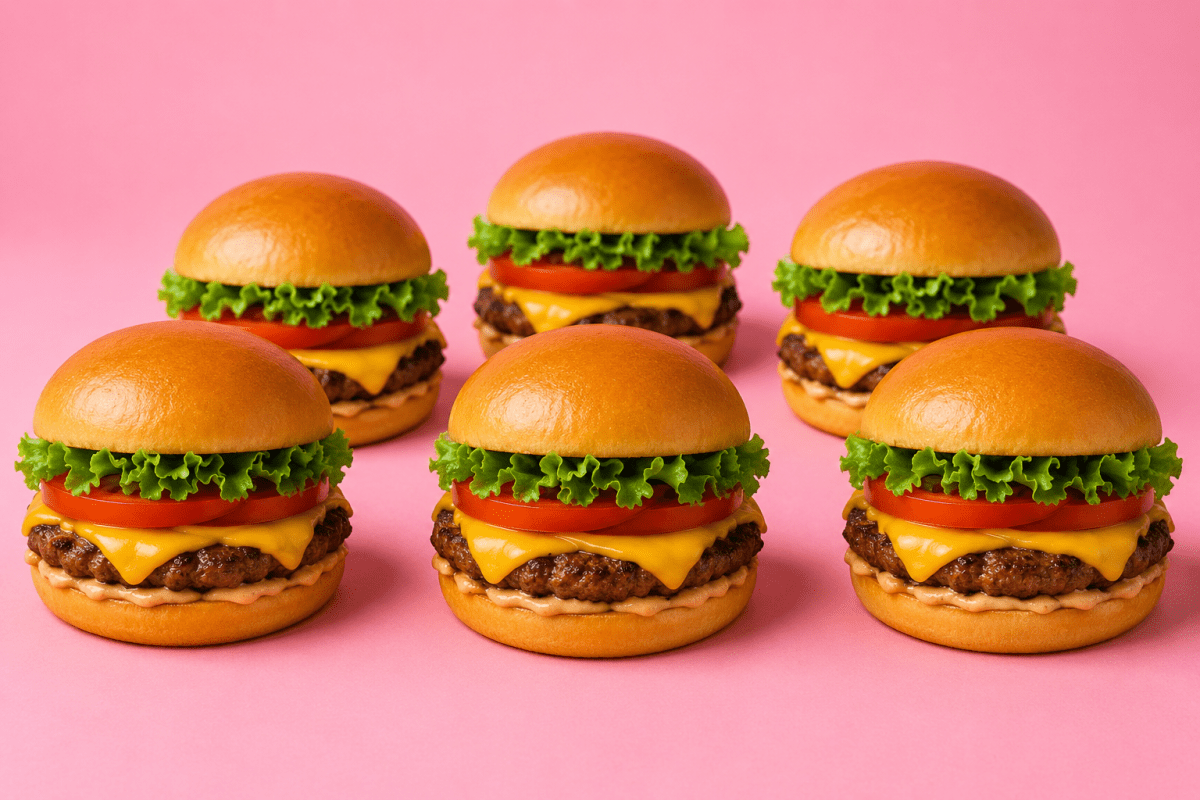
AI-generated menus are becoming common in the restaurant industry, but they often evoke an unsettling feeling. These illustrations, created by generative AI models, tend to look unnaturally perfect and symmetrical. While they may seem appealing at first glance, a closer inspection reveals something amiss. The models used to create these menus rely heavily on existing datasets, which can lead to a homogenized aesthetic that lacks authenticity.
Key Details
- Generative AI models are trained on vast datasets, leading to a specific and often unrealistic food aesthetic.
- The phenomenon of “model collapse” can occur when AI outputs are fed back into training datasets, degrading quality.
- AI-generated food images often suffer from an “uncanny valley” effect, where almost-real images provoke discomfort.
- Users have reported that repeated edits to AI-generated menus make the food images increasingly unrealistic and unsettling.
Why This Matters
The discomfort surrounding AI-generated menus highlights a significant shift in how we perceive authenticity in food advertising. As restaurants increasingly adopt AI for menu creation, they risk alienating customers who can sense the artificiality. This growing unease reflects broader concerns about the role of AI in our lives, especially in areas where trust and authenticity are paramount. As the line between real and artificial blurs, it raises questions about the future of food presentation and consumer expectations.