Exploring De-Extinction and AI’s Role
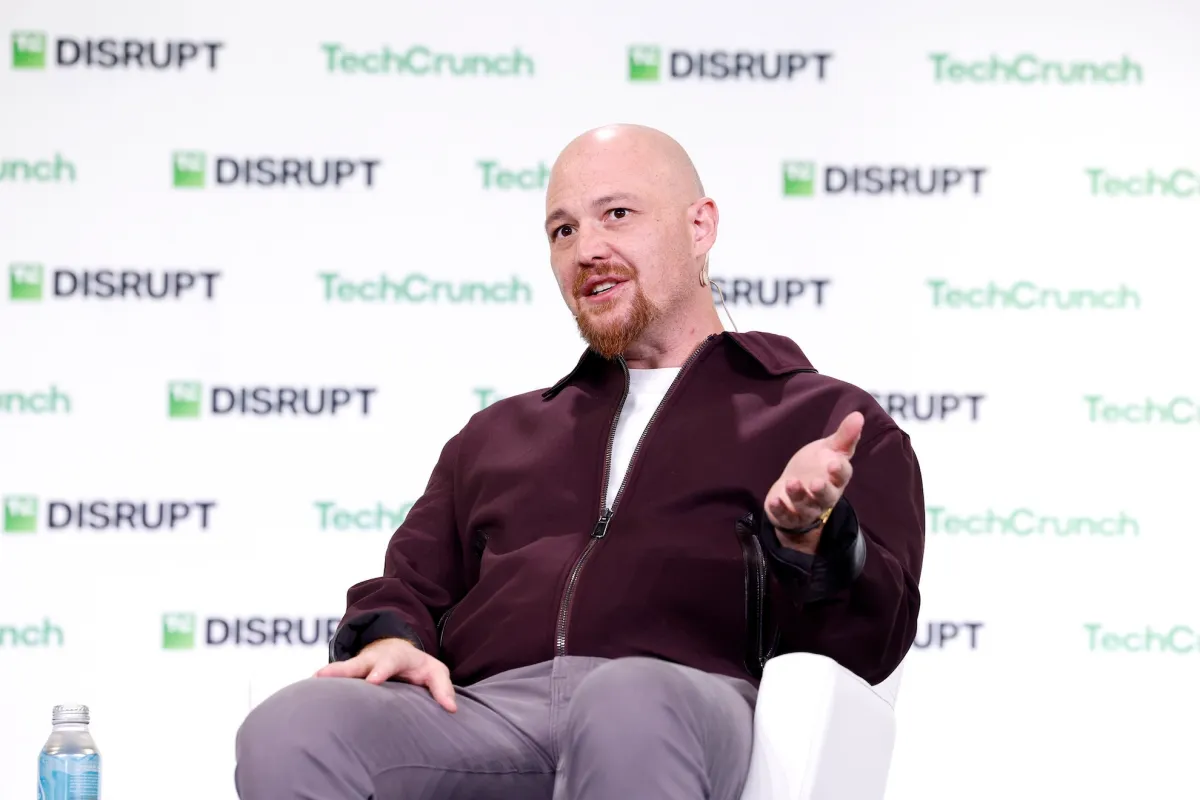
The potential to bring extinct species back to life is no longer a concept confined to science fiction. A billion-dollar startup, Colossal Biosciences, is leading this charge using advancements in artificial intelligence and synthetic biology. This endeavor raises critical questions about the implications of de-extinction and the responsibilities that come with using technology in conservation. A fireside chat at TechCrunch Disrupt 2026 will delve into these themes, featuring Ben Lamm, the CEO of Colossal, who is at the forefront of this innovative field. The discussion will not only focus on the scientific aspects but also on the ethical considerations surrounding the engineering of nature.
Key Details of the Discussion
- AI is revolutionizing various sectors, including biology, by helping researchers analyze genetic data and model biological systems.
- Colossal Biosciences is applying AI and synthetic biology to tackle the challenge of reviving extinct species, pushing the boundaries of what is scientifically possible.
- The conversation will address whether engineering nature is a breakthrough in conservation or a diversion from protecting existing ecosystems.
- Ben Lamm’s extensive background in AI and technology provides valuable insights into the intersection of these fields and their impact on biodiversity.
The Broader Implications for Conservation
The revival of extinct species is just one aspect of a much larger conversation about the role of technology in addressing environmental challenges. As AI integrates deeper into scientific research, it poses questions about the ethical use of these tools in medicine, conservation, and climate science. The outcomes of these discussions will shape future approaches to biodiversity and conservation strategies, prompting society to consider who decides how these technologies are applied and what the long-term effects may be.