Overview of the Initiative
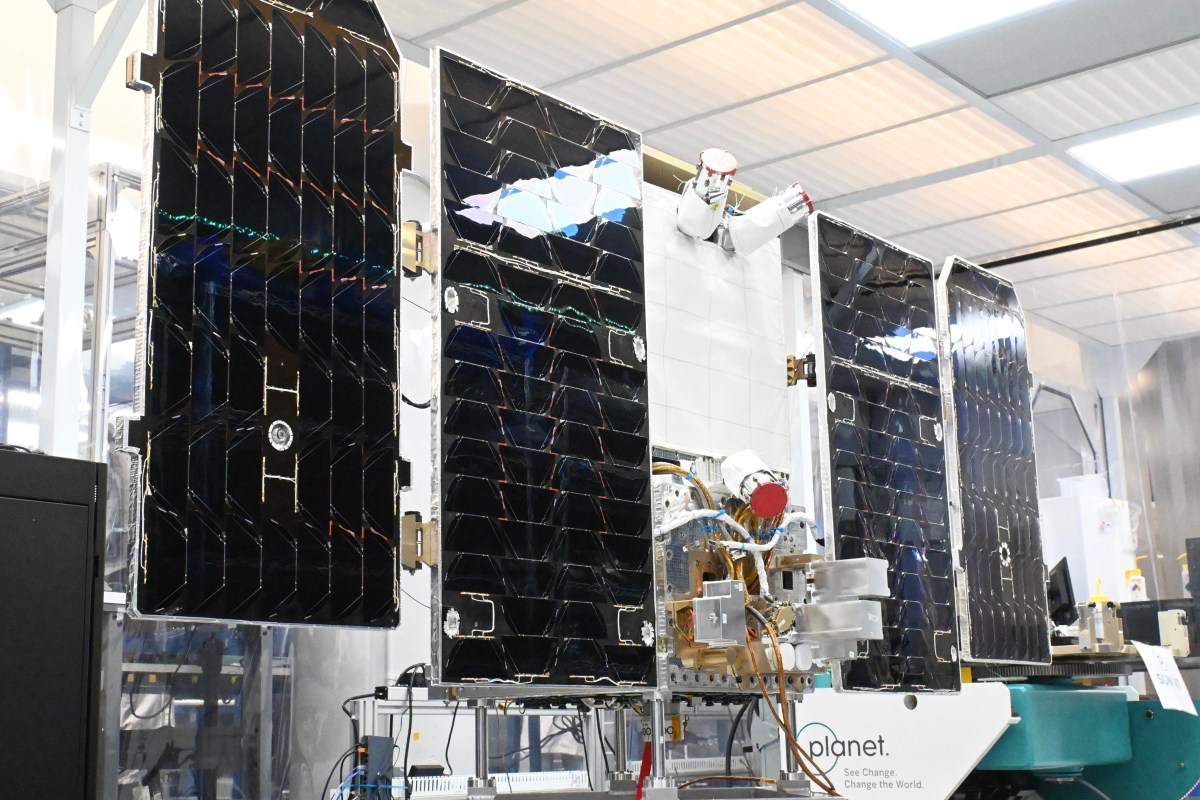
Google has successfully launched its prototype orbital compute satellite aboard a SpaceX rocket. This mission marks the first time the company has sent its Tensor Processing Unit (TPU) chips into space. The goal is to test if these advanced chips can operate effectively in the harsh conditions of space. The satellite, built by Planet Labs, will run various models while managing power and cooling systems to ensure the TPU functions correctly.
Key Highlights
- The satellite will operate the TPU in short bursts to prevent overheating and power strain.
- Future missions will involve two satellites designed specifically for advanced computing tasks and will use laser communication for collaboration.
- Google envisions a network of 81 satellites in orbit, working together to process data efficiently.
- A recent white paper from Google details their vision for orbital data centers and predicts significant reductions in launch costs over time.
Significance of the Project
This initiative is crucial for the future of space infrastructure and AI workloads. With a focus on long-term goals, Google aims to build a robust system that can handle the demands of future technology. The company’s partnership with SpaceX is vital, as it relies on them for launching payloads into orbit. As launch costs decrease, the potential for more advanced and widespread satellite operations increases. This project could pave the way for a new era of computing in space, ultimately transforming how we process and manage data.