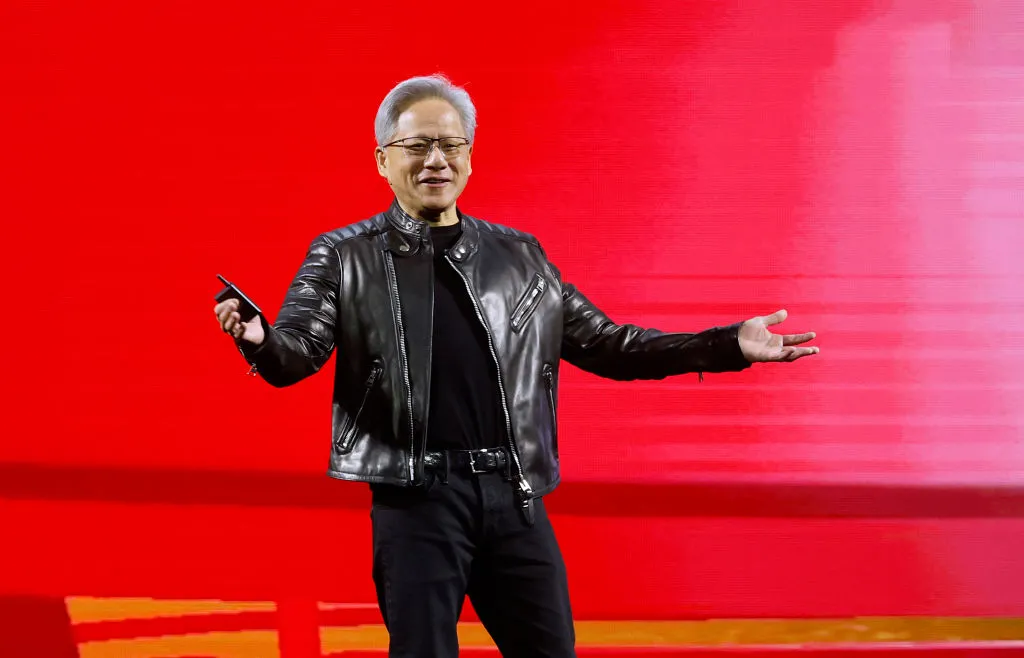
Overview of the Situation
Jensen Huang, the co-founder and long-time CEO of Nvidia, recently resigned after admitting to extramarital affairs that have raised serious national security concerns. His relationships, particularly with Alice Huang, a suspected Chinese spy, have led to investigations by U.S. officials regarding potential espionage. The implications of these affairs extend beyond personal scandal, as they intertwine with Nvidia’s critical role in the ongoing tech competition between the U.S. and China.
Key Details
- Huang admitted to multiple affairs, including one with Nvidia executive Kimberly Powell.
- The U.S. government is investigating Megaspeed, a company linked to Alice Huang, for allegedly sharing Nvidia chips with China.
- Nvidia’s stock price fell sharply following the revelations, indicating investor concern over the company’s future.
- Huang’s resignation was accepted by Nvidia’s board, and Colette Kress has been appointed as interim CEO.
Significance of the Events
The fallout from Huang’s resignation illustrates the precarious balance between corporate leadership and national security in the tech industry. As Nvidia is a key player in AI chip production, any potential compromise could have far-reaching effects on U.S. technological supremacy. The situation also highlights the need for stricter oversight of relationships between tech executives and foreign entities, especially amid rising tensions with China. This controversy serves as a reminder of the personal and professional responsibilities that come with leadership roles in high-stakes industries.