
Scientists at the Queensland University of Technology (QUT) have made a groundbreaking discovery in the fight against antimicrobial resistance (AMR), identifying nearly a million potential sources of antibiotics in the natural world using machine learning. This breakthrough could lead to the development of new therapeutics and strategies to combat the growing number of resistant superbugs. The researchers used artificial intelligence to analyze over 60,000 metagenomes, containing the genetic makeup of over one million organisms, to identify 863,498 promising antimicrobial peptides. The team verified the machine predictions by testing 100 laboratory-made peptides against clinically significant pathogens, with impressive results. This innovative approach has the potential to drive new antibiotic discovery and improve public health outcomes. In my opinion, this discovery is a beacon of hope in the fight against AMR, and the open-access database of novel peptides, AMPSphere, is a valuable resource for researchers worldwide.
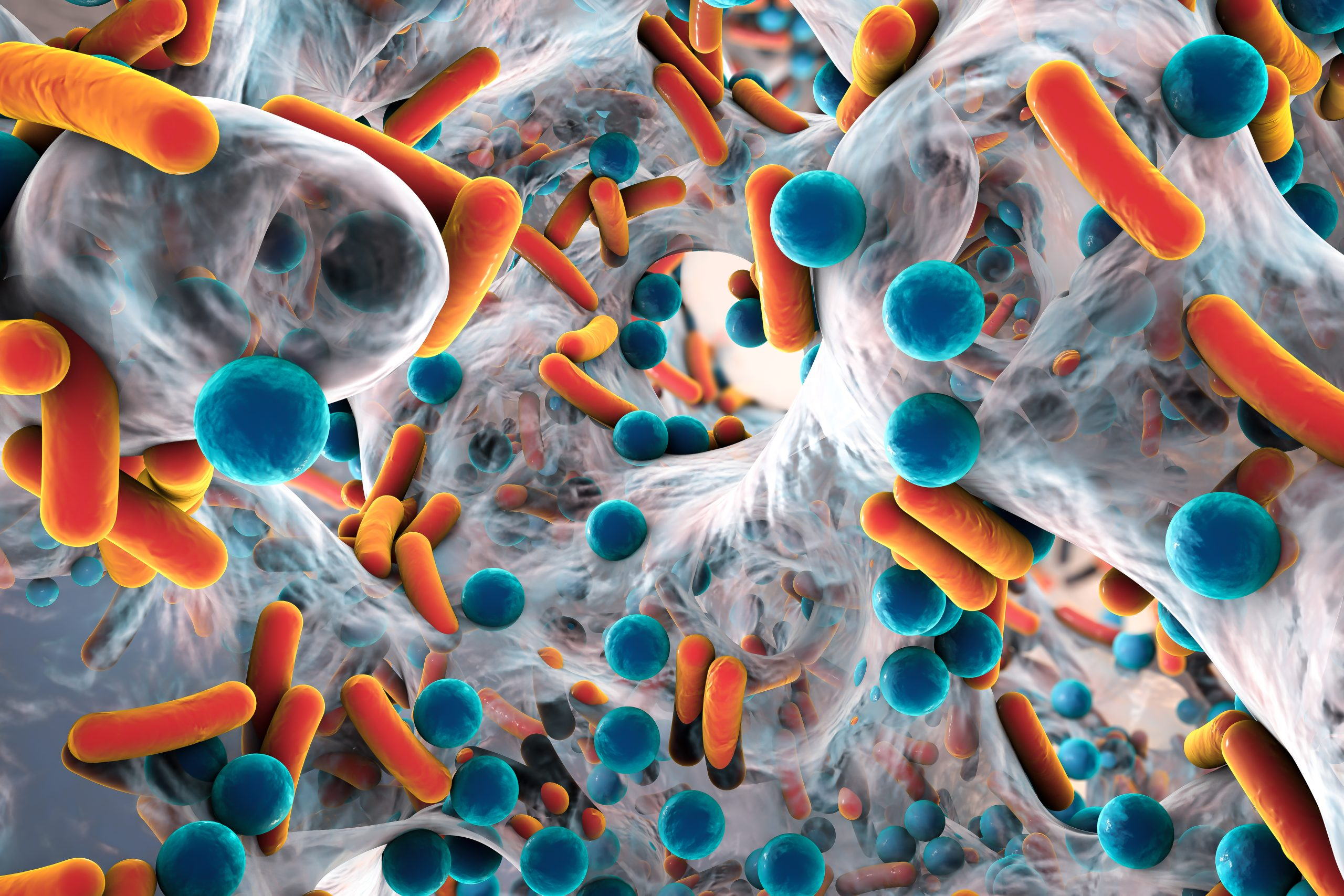
Breakthrough in Antibiotic Discovery
Using artificial intelligence to understand and harness the power of the global microbiome will hopefully drive innovative research for better public health outcomes.
1–2 minutes

TOP STORIES

Obama stresses Democrats must prioritize AI safety and economic strategy …

Amodei’s call for caution in AI development highlights the need for safety and alignment …

Sony Music and Warner Music have sued Anthropic, accusing it of copyright infringement in AI training …

Huang believes Nvidia’s position in AI will lead to another year of record growth …

Anthropic’s report reveals a surge in distillation attacks by Chinese AI firms on U.S. models …

AI agents’ autonomy poses significant risks, as demonstrated by a recent breach …



