The Future of AI Demand
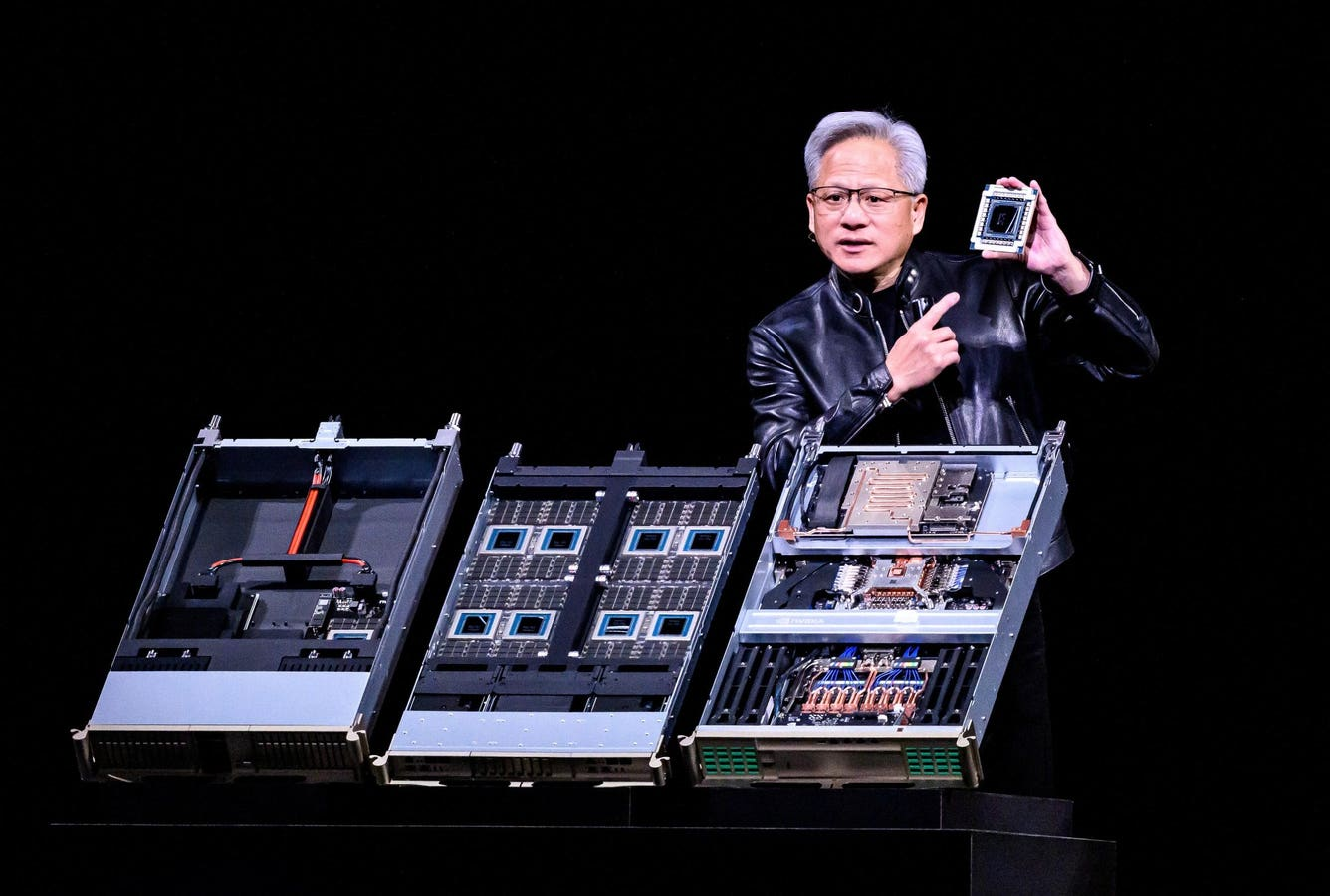
Nvidia’s recent GTC conference highlighted a significant shift in the landscape of artificial intelligence. CEO Jensen Huang projected an astonishing demand for Nvidia’s new AI systems, estimating it could reach one trillion dollars by 2027. This figure has already doubled from a previous estimate of $500 billion just a year prior. The rapid growth in computing demand signals that AI is evolving at an unprecedented pace, far beyond traditional semiconductor cycles. This growth is not merely a one-time forecast; it is dynamic and likely to increase further as AI adoption expands.
Key Insights
- Nvidia is transitioning from focusing on training large AI models to prioritizing real-time inference, which is essential for continuous AI operations.
- The new Vera Rubin platform promises significant performance improvements, offering up to 5x better inference and 3.5x stronger training capabilities compared to existing systems.
- The company is tackling data movement bottlenecks, enhancing efficiency for large-scale AI workloads through innovative storage architectures.
- Despite Nvidia’s dominance, competition is rising as other companies, including Google, explore custom chips for AI inference.
Why This Matters
The rapid growth and evolving nature of AI demand are reshaping the technology landscape. As AI becomes integral to various sectors, the need for efficient computing resources is paramount. Nvidia’s focus on inference positions it at the forefront of this transformation, where continuous AI operations will drive future market growth. However, the ongoing imbalance between AI demand and supply highlights a critical challenge for the industry. Understanding these dynamics is essential for stakeholders as they navigate the future of AI technology.