
The rise of artificial intelligence (AI) has sparked a heated debate about its impact on creative industries. As AI-generated content becomes increasingly sophisticated, many artists, writers, and musicians are wondering if their jobs are at risk of being replaced. The concern is not unfounded, as AI has already demonstrated its ability to produce high-quality content, from fully orchestrated songs to photorealistic videos. However, the process of creating such content raises ethical questions about the use of copyrighted material and the violation of artists’ rights.
The use of Large Language Models (LLMs) and image generators like DALL-E has sparked controversy, as they are often trained on millions of books and artworks without permission or compensation to the original creators. This has led to lawsuits and calls for legal action against tech giants like Google, Microsoft, and Meta. The situation is further complicated by the fact that AI-generated content often blurs the line between originality and plagiarism.
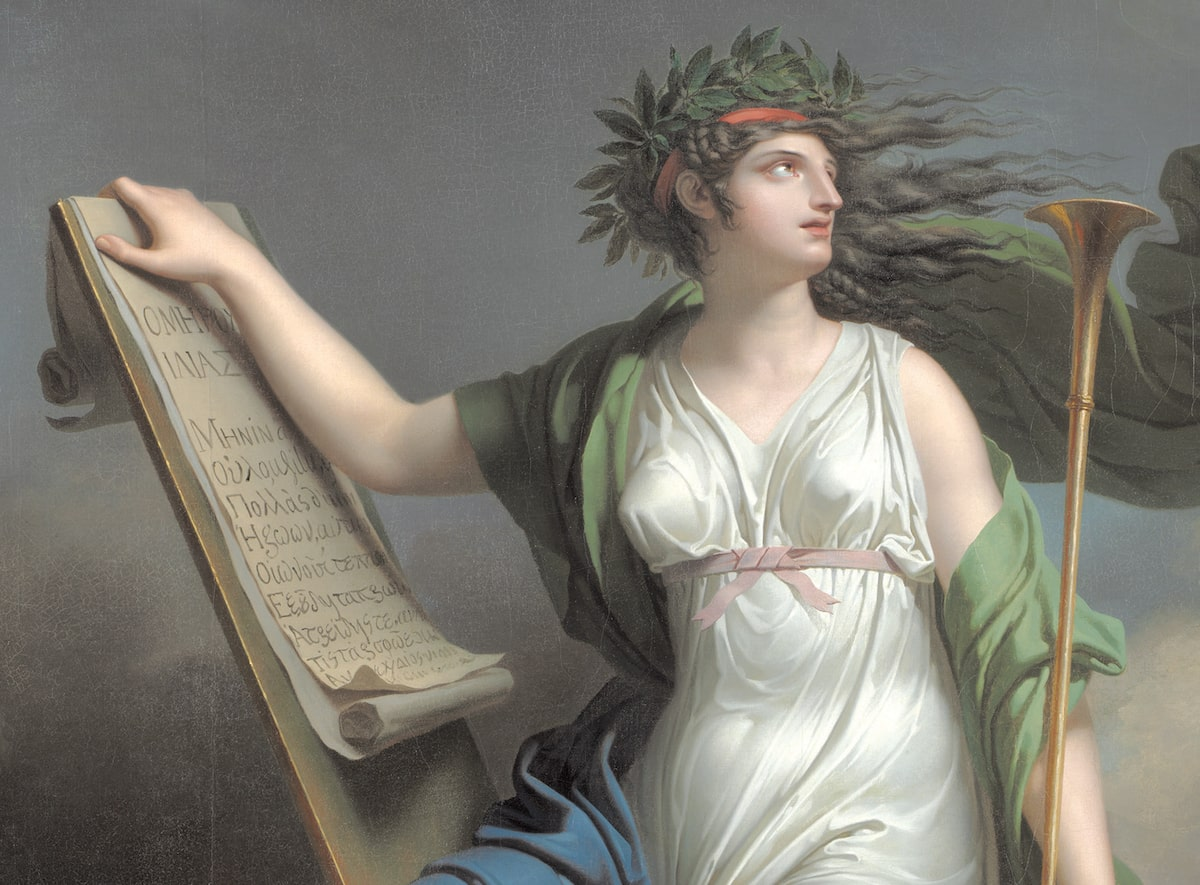
Despite the ongoing debate, it’s essential to acknowledge that creativity has always involved borrowing and building upon existing ideas. The concept of the “muse” in ancient Greece, where inspiration comes from an external force, highlights the collaborative nature of creative work. Similarly, the brain’s ability to process and reassemble vast amounts of information without conscious awareness suggests that human creativity is not as singular or original as we often claim.
The emergence of AI-generated content has forced us to re-examine our understanding of creativity and the role of humans in the creative process. Rather than fearing AI as a replacement, we should recognize its potential as a tool that can augment and inspire human creativity. By acknowledging our own use of borrowed ideas and embracing the collaborative nature of creative work, we can focus on developing a higher definition of human-centered art that incorporates AI as a tool, rather than a threat.





