
The article highlights the limitations of large language models (LLMs) in providing precise and accurate answers to questions. The author argues that LLMs are probabilistic systems that cannot guarantee accurate answers, unlike databases that provide precise factual information. While LLMs can generate responses that “look like” good answers, they may not always be correct. The author suggests that this limitation is not a reason to dismiss LLMs, but rather to recognize their strengths and weaknesses. The article proposes two approaches to addressing this issue: treating it as a science problem, where the focus is on improving the models, or as a product problem, where the goal is to build useful products that work around the limitations of LLMs. The author emphasizes that the latter approach requires moving towards the user, rather than expecting users to adapt to the technology.
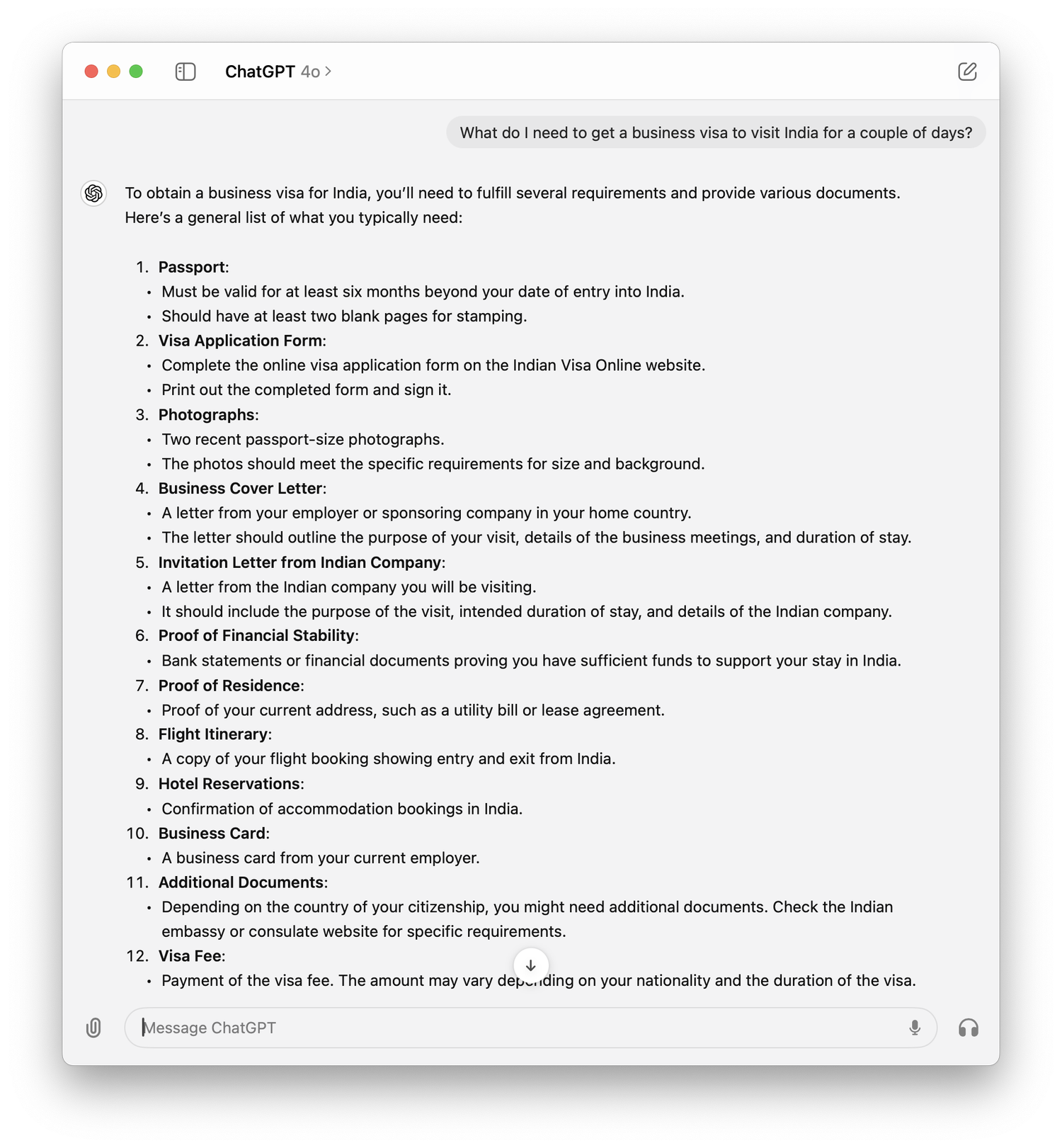
Unfair Test for LLMs
The answer might be right, but you can’t guarantee that.
1–2 minutes

TOP STORIES

Obama stresses Democrats must prioritize AI safety and economic strategy …

Amodei’s call for caution in AI development highlights the need for safety and alignment …

Sony Music and Warner Music have sued Anthropic, accusing it of copyright infringement in AI training …

Huang believes Nvidia’s position in AI will lead to another year of record growth …

Anthropic’s report reveals a surge in distillation attacks by Chinese AI firms on U.S. models …

AI agents’ autonomy poses significant risks, as demonstrated by a recent breach …



