
This article explores the innovative use of AI-powered “black boxes” in operating theaters to minimize human error and make surgery safer. Developed by Teodor Grantcharov, a professor of surgery at Stanford, these devices record everything in the operating room, from conversations to anesthesia monitors, and use artificial intelligence to analyze the data. The black boxes are already in use in nearly 40 institutions in the US, Canada, and Western Europe. However, the adoption of this technology raises important questions about privacy, accountability, and the potential for “Big Brother”-like surveillance. While the system is designed to protect individuals from repercussions, there are still concerns about anonymity and the potential for administrators to access sensitive information. The article highlights the importance of addressing these concerns and winning over staff before adopting new technologies.
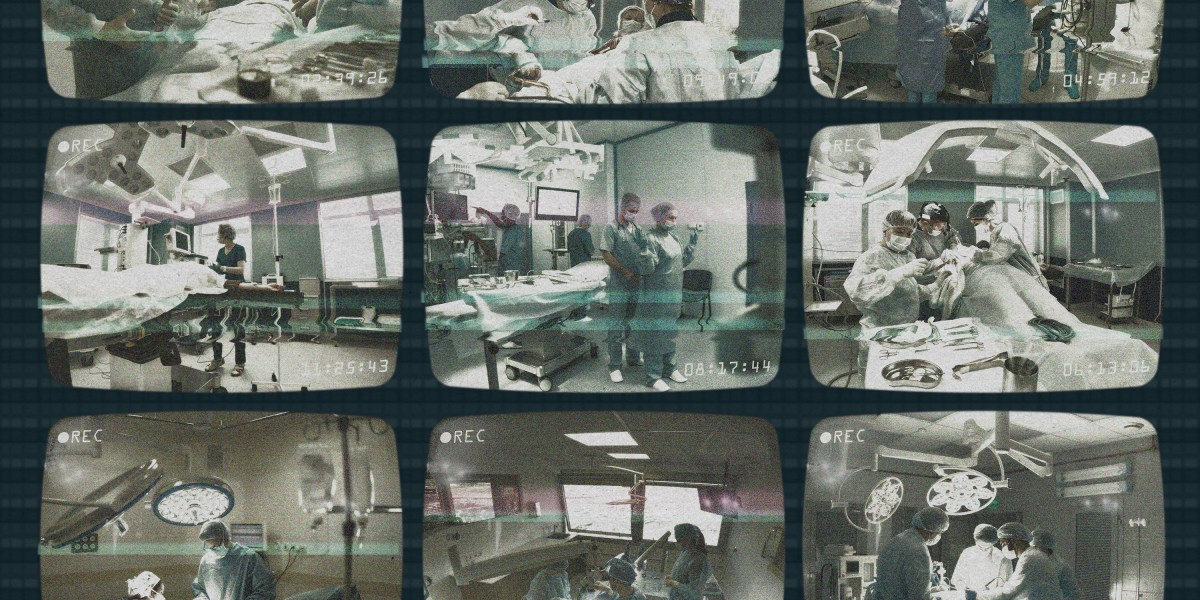
Surgical Safety Net
These devices, built by Grantcharov’s company Surgical Safety Technologies, record everything in the operating room via panoramic cameras, microphones in the ceiling, and anesthesia monitors before using artificial intelligence to help surgeons make sense of the data.
1–2 minutes

TOP STORIES

Obama stresses Democrats must prioritize AI safety and economic strategy …

Amodei’s call for caution in AI development highlights the need for safety and alignment …

Sony Music and Warner Music have sued Anthropic, accusing it of copyright infringement in AI training …

Huang believes Nvidia’s position in AI will lead to another year of record growth …

Anthropic’s report reveals a surge in distillation attacks by Chinese AI firms on U.S. models …

AI agents’ autonomy poses significant risks, as demonstrated by a recent breach …



