
As humanoid robots evolve from single-purpose to general-purpose systems, researchers emphasize the importance of developing robust robotic intelligence. MIT’s latest research highlights the transformative potential of generative AI in enhancing these systems. Traditional training methods for robots, such as reinforcement and imitation learning, are being augmented by advanced AI models. A notable innovation from MIT is the policy composition (PoCo) method, which synthesizes information from diverse task-specific datasets to improve robotic performance. By training diffusion models on individual tasks and then combining these models, robots can execute complex actions and adapt to new tasks more effectively. This approach has shown a 20% improvement in task performance, enabling robots to use multiple tools and adapt to unfamiliar scenarios. The ultimate aim is to develop multi-purpose robotic systems, bringing the industry closer to achieving versatile, general-purpose humanoid robots.
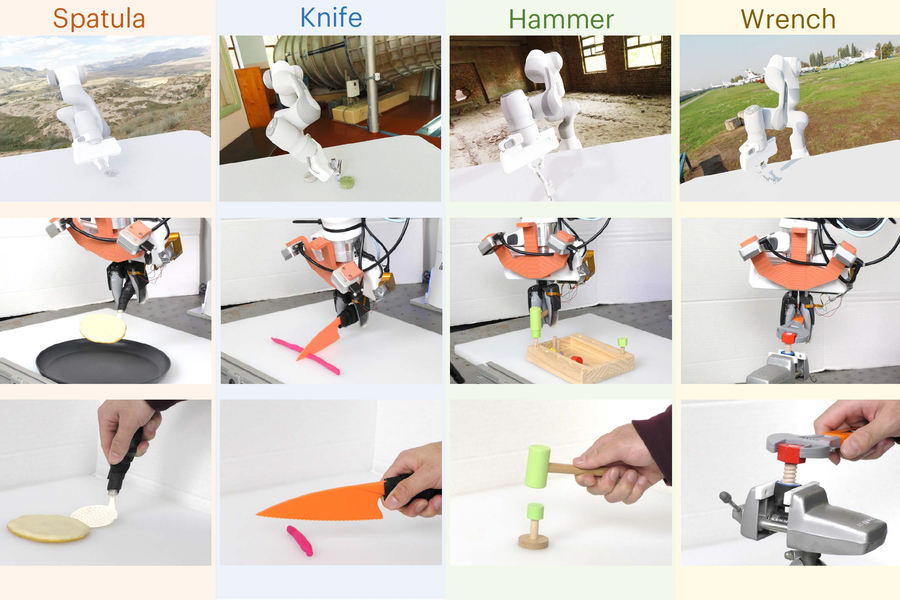
Revolutionizing Robotics – MIT’s Generative AI Boosts Humanoid Capabilities
MIT’s PoCo method enables robots to combine task-specific policies for enhanced performance.
1–2 minutes

TOP STORIES

Obama stresses Democrats must prioritize AI safety and economic strategy …

Amodei’s call for caution in AI development highlights the need for safety and alignment …

Sony Music and Warner Music have sued Anthropic, accusing it of copyright infringement in AI training …

Huang believes Nvidia’s position in AI will lead to another year of record growth …

Anthropic’s report reveals a surge in distillation attacks by Chinese AI firms on U.S. models …

AI agents’ autonomy poses significant risks, as demonstrated by a recent breach …



