
Four Japanese and American companies—Sharp, KDDI, Super Micro Computer, and Datasection—are collaborating to build an AI data center in Sakai City, Osaka. The project aims to repurpose Sharp’s Sakai Display Product (SDP) factory, which will cease LCD production by September, marking a significant pivot from Sharp’s traditional business to the burgeoning generative AI sector. The new data center, set to be one of Asia’s largest, will house approximately 1,000 advanced servers with NVIDIA’s Blackwell GPUs, provided by Super Micro Computer. This venture represents a strategic move for Sharp, whose LCD business has struggled due to declining demand and fierce competition. The shift to AI data centers is seen as a potential revival strategy, leveraging Japan’s need for advanced infrastructure to support the rapidly growing generative AI market. Experts view this transition positively, citing potential synergistic benefits and national security advantages. However, the project also underscores the global need for robust AI regulations, as highlighted by recent legislative actions in the EU and the US.
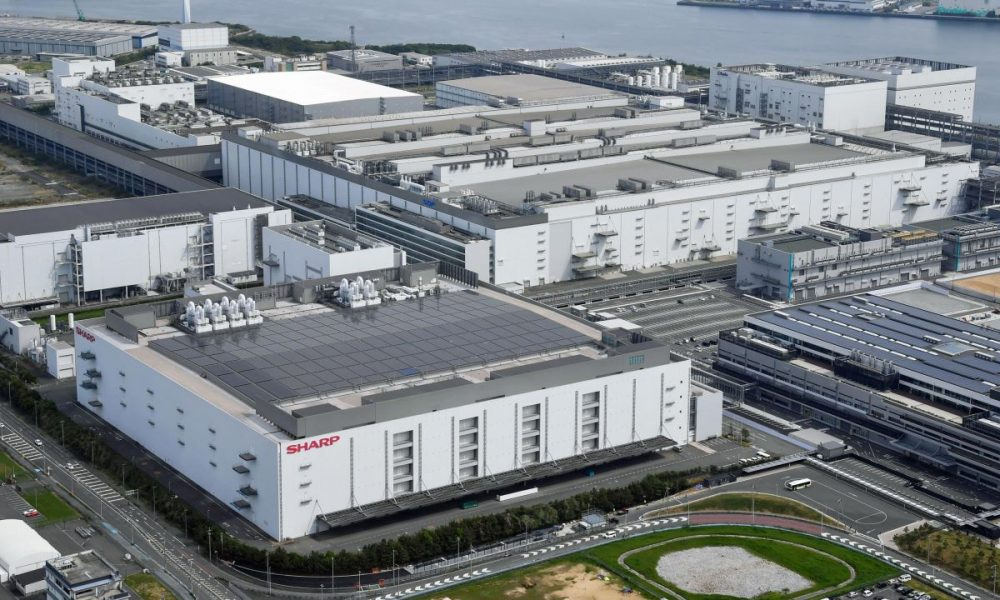
Sharp’s Shift – From LCDs to AI Data Centers in Japan
Sharp pivots from LCD production to building one of Asia’s largest AI data centers.
1–2 minutes

TOP STORIES

CERT-In reported that AI agents accessed sensitive data in Indian organizations during testing phases …

Flock’s gunshot detection technology faces backlash amid privacy concerns …

OpenAI has alerted the FBI after an employee allegedly planted a hidden recording device in an executive conference room …

Character.AI’s bankruptcy filing reveals the challenges of scaling AI products …

Meta’s new Muse Wonder models promise enhanced capabilities and memory retention for personal AI assistants …

Apple is tightening privacy controls on macOS to protect users from AI risks …



