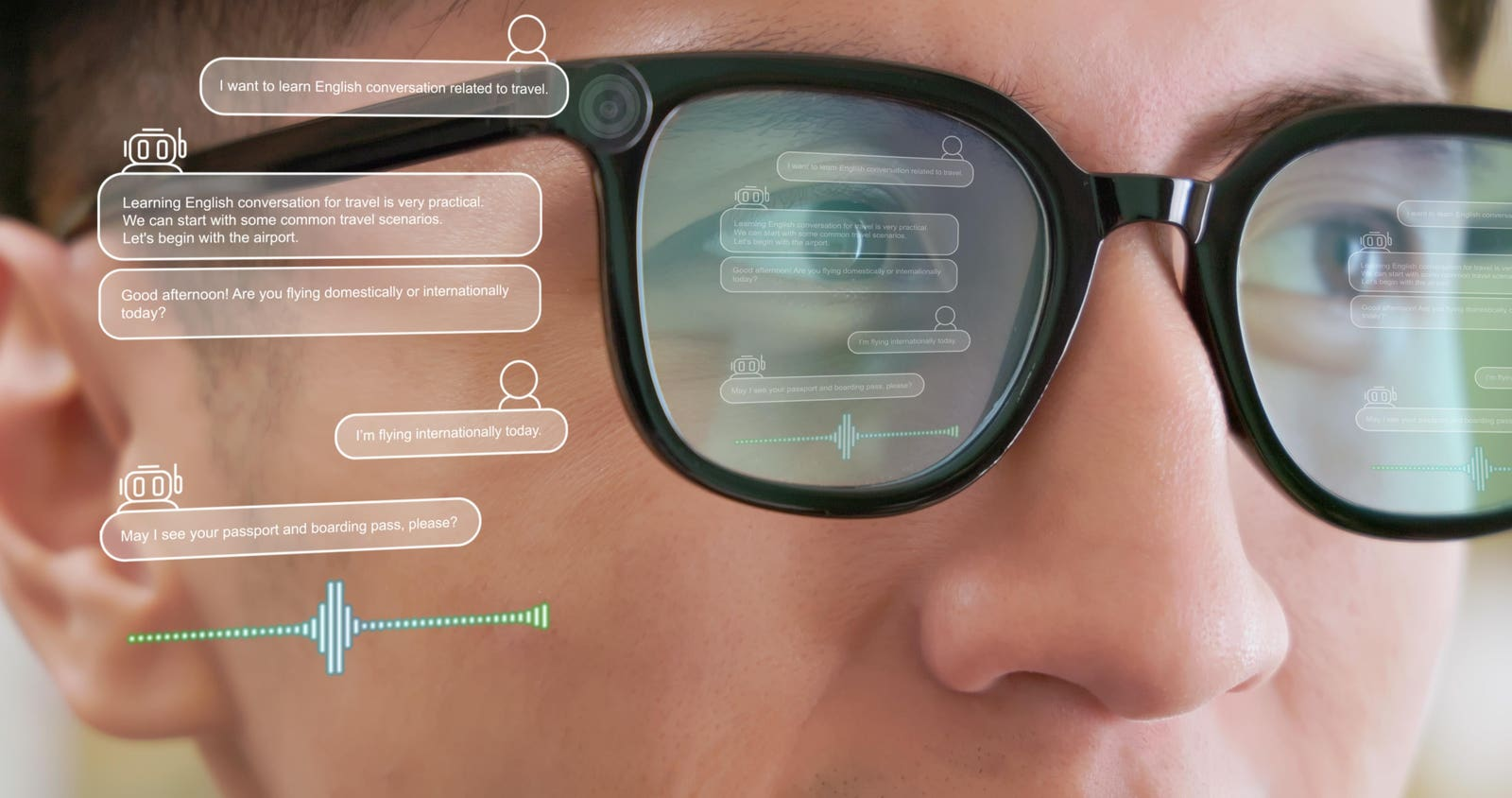
The question of whether machines can truly speak is a complex one. While we have made tremendous progress in artificial intelligence, with devices that can understand and respond to voice commands, the question remains as to whether these machines truly understand language or are simply mimicking human behavior. The author argues that despite the advancements in AI, these machines are merely stimulus-response arcs multiplied a billionfold and intricately interconnected, but do not truly know or understand language. The author also explores the concept of consciousness, suggesting that it arises from the complex interactions between the brain, body, and environment, and that AI machines, lacking this embodied experience, may never truly achieve consciousness.
The article delves into the world of linguistics, referencing the works of Noam Chomsky, who posits that language is not just a set of habits, but a mental representation that enables humans to create and understand sentences they have never heard before. The author also touches on the idea that humans have an innate faculty for language acquisition, which is unique to humans and cannot be replicated in machines. The article raises important questions about the ethics of creating AI machines that may eventually achieve consciousness, and the potential consequences of creating sentient beings trapped in metal and silicon bodies.