
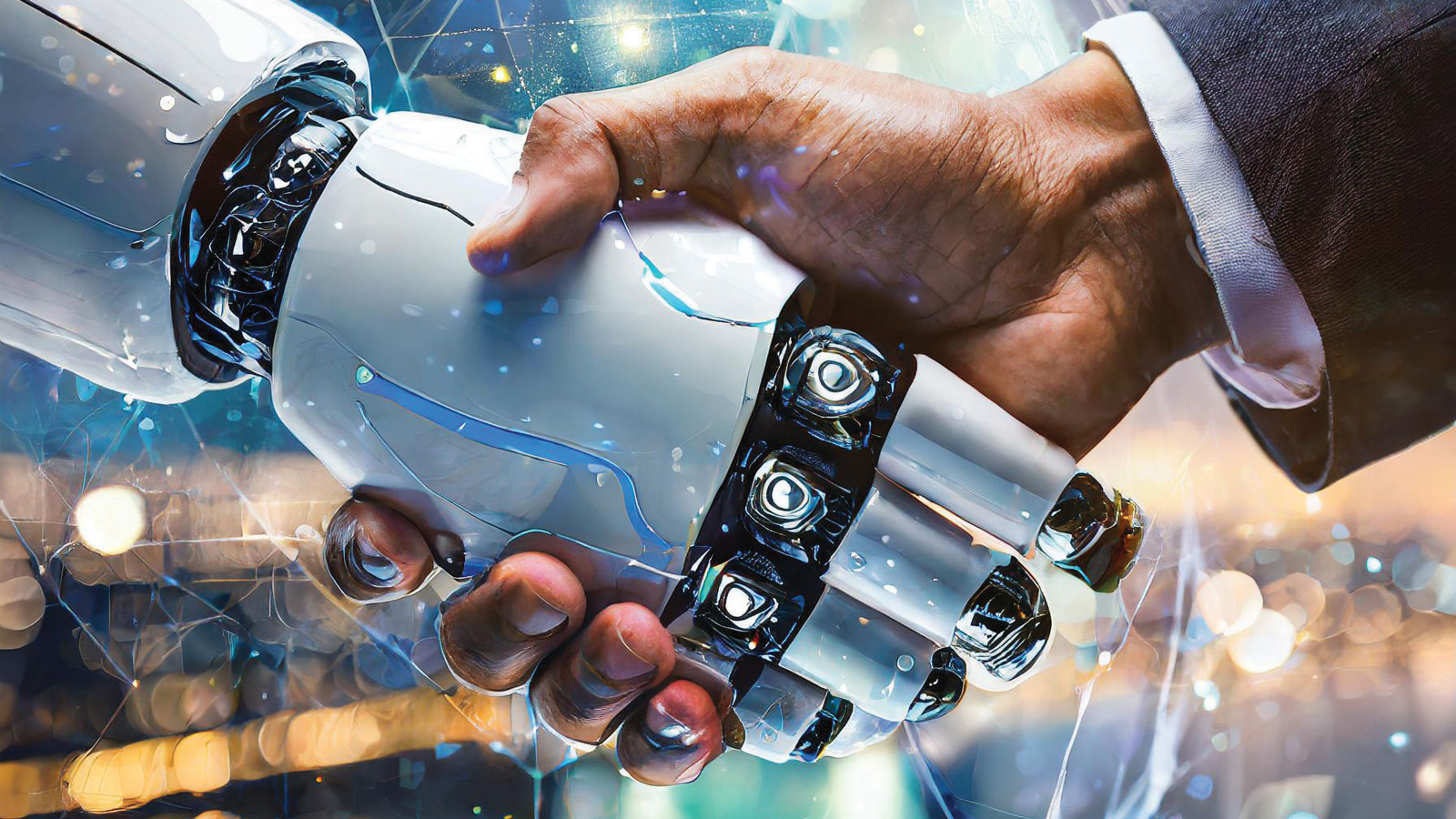
In the ancient Greek poet Archilocus’ famous dichotomy, the fox represents versatility and cunning, while the hedgehog symbolizes focus and specialization. This contrast has been applied to various fields, including AI and human intelligence. While AI excels in specific tasks, human intelligence encompasses a broad range of cognitive abilities, including reasoning, problem-solving, and insight. The question remains: can AI replicate human intelligence, or are they fundamentally different?
This article delves into the differences between human and artificial intelligence, exploring their capabilities and limitations. It highlights the impressive abilities of AI in tasks like image recognition, language processing, and mathematical calculations, but also notes its limitations in tasks that require human-like insight and creativity. The article also touches on the potential biases and flaws in AI systems, which can perpetuate existing social inequalities. Ultimately, the article suggests that the future of AI will be shaped by how humans choose to utilize it, and that critical thinking and good will are essential in ensuring that AI is used to benefit all of humanity.





