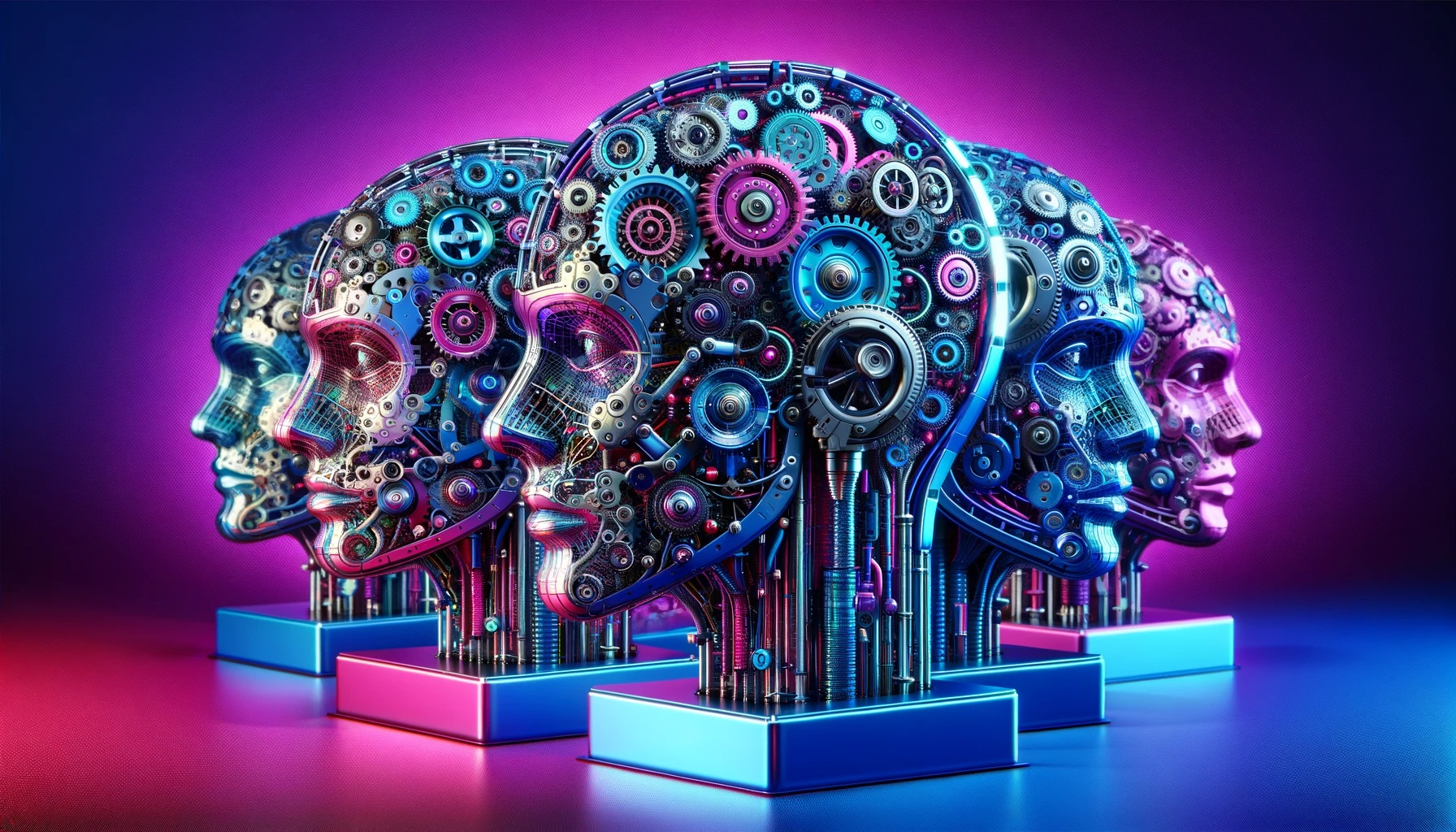
Generative AI, particularly ChatGPT-4 developed by OpenAI, represents a notable advancement in natural language processing, but it also brings various risks that need careful examination. Ethical concerns include persistent biases in AI outputs, the spread of misinformation or “AI hallucinations,” and the potential for diminished human agency as people become overly reliant on AI for decision-making. Societal impacts like job displacement, particularly in content creation and customer service, and challenges in education, where AI can undermine academic integrity, are significant. Technical concerns encompass security risks from adversarial attacks, unintended consequences from unpredictable AI behaviors, and the substantial environmental footprint due to high computational demands. Regulatory issues are also pressing, as current frameworks lag behind technological advancements, necessitating new policies to ensure ethical AI development. Mitigation strategies include improving dataset diversity to reduce bias, developing tools to combat misinformation, establishing ethical guidelines, and supporting workers displaced by AI. A comprehensive approach involving better data practices, robust regulations, and public engagement is essential to harness AI’s potential while minimizing risks.
Navigating the Ethical and Societal Risks of Generative AI
The main challenge is that can it possibly do it and are we responsible enough to try?
1–2 minutes

TOP STORIES

Quantum computing is transforming industries, but it poses significant cybersecurity risks …

A coalition of state attorneys general has opened an investigation into OpenAI …

The U.S. government’s export control directive has forced Anthropic to disable its new AI models, raising questions about regulation and …

SpaceX’s recent deal with Google highlights its shift from aerospace to AI infrastructure …

Google is suing to dismantle the infrastructure behind an alleged massive AI-powered cybercrime operation …

AI usage continues to grow rapidly, even as public sentiment remains skeptical …