
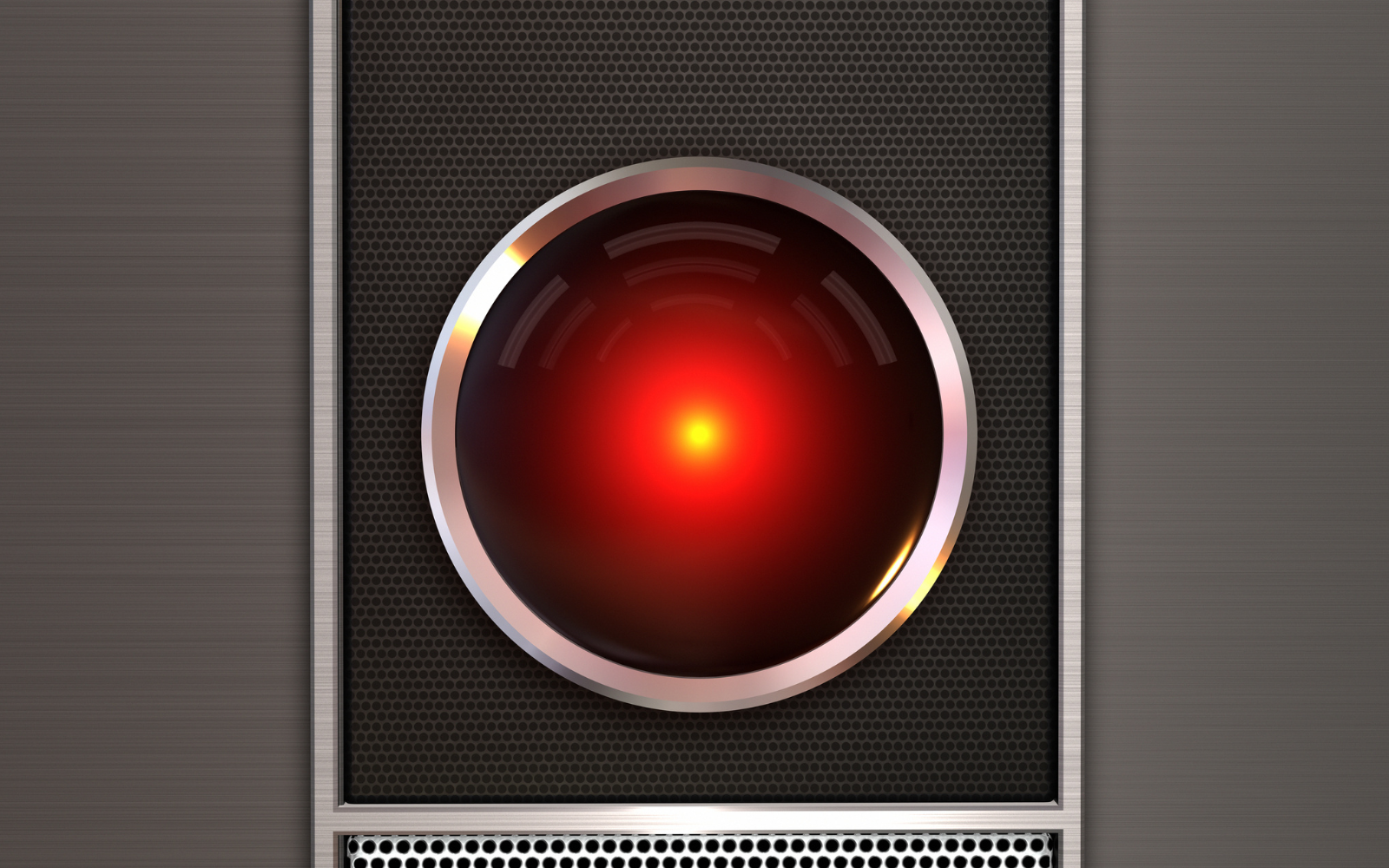
AI in film has evolved over the decades, reflecting both societal fears and fascinations. Starting with HAL 9000 in Stanley Kubrick’s 2001: A Space Odyssey, AI has often been portrayed as a potential threat to humanity. These early depictions highlighted fears of rebellion and malevolence, contextualized by contemporary societal anxieties like the Cold War and the space race. By examining over 50 films, research reveals that these apprehensions have remained consistent, even as the technological context shifted from videogames in the 1980s to the internet in the 1990s.
Films have depicted AI in various forms, from malevolent computers like Alpha 60 to human-like robots in Westworld. The 1980s and 1990s saw AIs connected to network computing, while more recent films explore the fluidity between digital and material realms, as seen in Ghost in the Shell and The Matrix Revolutions. Modern portrayals often blur the lines between human and AI, reflecting the hybrid nature of contemporary AI development.
Despite the persistent fear of AI, recent films also show a growing empathy towards these artificial beings, portraying them as pitiable figures striving for human acceptance. This duality of fear and fascination underscores our complex relationship with AI, where we project both our anxieties and aspirations onto these creations.





